Whether Boots Work on a Border Collie
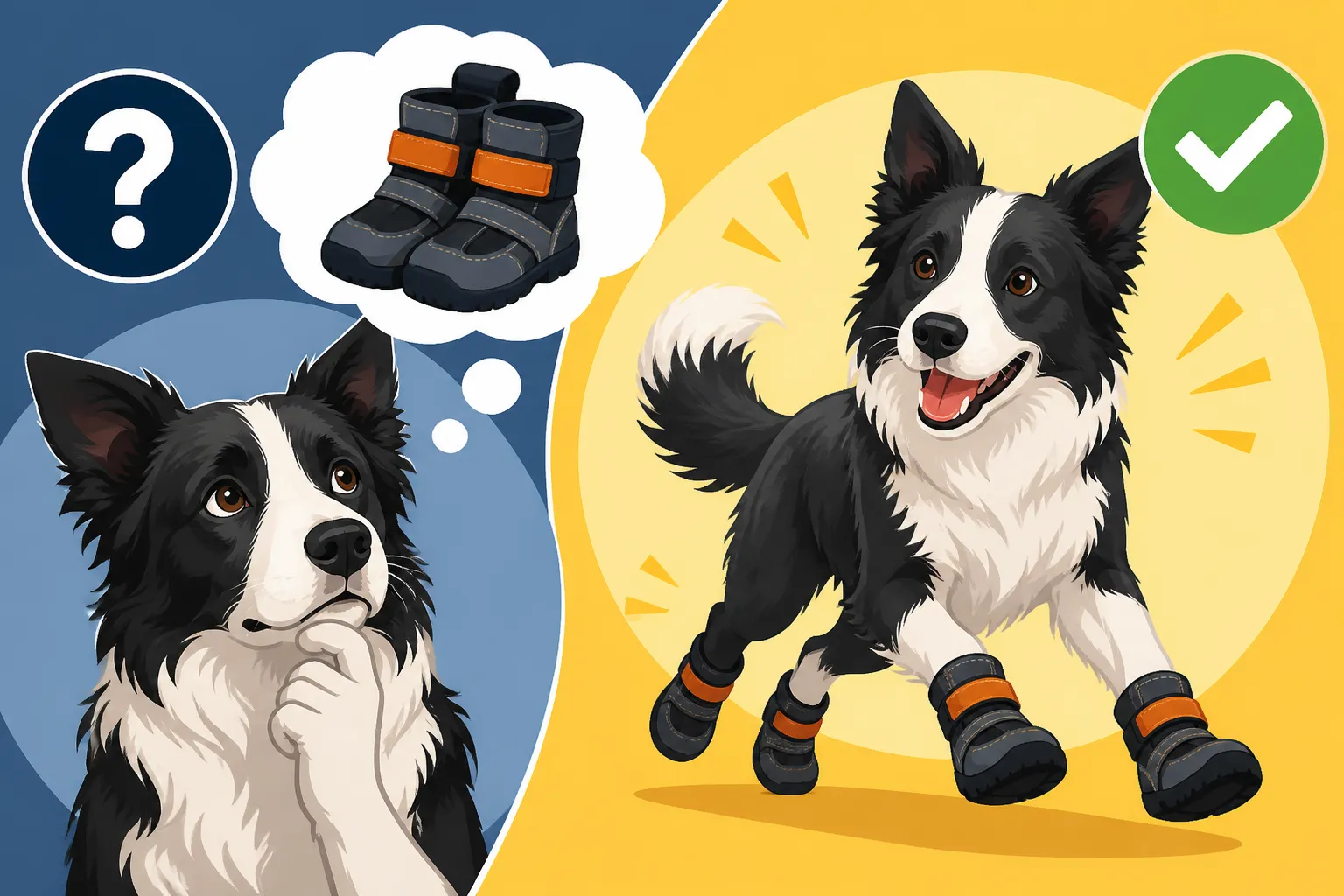
For many of us who share our lives with a high-drive Border Collie, we often find ourselves pushing the limits of what their bodies can handle, especially their hardworking paws. Whether they're tearing across rough terrain, navigating icy paths, or pounding hot asphalt, their feet take a beating. This comprehensive guide will dive deep into the world of dog boots for Border Collies, exploring when they're necessary, what types actually stand a chance of staying on, and the realistic expectations you should have for them.
When Your Border Collie Might Actually Need Boots
Let's be real, Border Collies are bred for tough environments. Their paws are generally pretty hardy, but there are definitely situations where they need a little extra help. We often think of boots as a last resort or something only for pampered city dogs, but for a working or active Border Collie, they can be a real game-changer for paw health and longevity. It's about proactive care, not just fashion!
Protecting Against Extreme Temperatures
Imagine trying to work sheep or run an agility course when the ground is either scorching hot or painfully cold. That's what your Border Collie faces in extreme weather. In summer, asphalt and sandy trails can reach temperatures that cause severe burns in minutes. A quick walk to the mailbox can turn into a serious injury if you're not careful. Conversely, in winter, icy conditions, frozen ground, and especially road salt or de-icers can be brutal on paw pads, leading to cracks, irritation, and even chemical burns. Ice Balls in a Border Collie's Feathered Feet are another common issue that boots can help prevent, particularly for rough-coated dogs.
For those long days out on the farm or training field, boots offer a crucial barrier. Think about a Border Collie gathering stock for hours in direct summer sun – their pads are constantly exposed to heat radiating off the ground. Similarly, a dog working in deep snow or sub-zero temperatures can suffer from frostbite or painful ice buildup between their toes. Boots, when properly fitted, can provide that much-needed insulation and protection, allowing them to focus on the job at hand rather than discomfort.
Navigating Rough and Hazardous Terrain
Border Collies are fearless explorers, often rushing headlong through whatever landscape you throw at them. This bravery can, unfortunately, come with consequences for their feet. Sharp rocks, thorny bushes, gravel, broken glass, or even stubborn burs can cause painful cuts, punctures, and abrasions. I’ve seen countless Border Collies come back from a vigorous hike with pads sliced open or torn.
If your Border Collie is an avid hiker, works in rocky pastures, or participates in intense outdoor sports, boots aren't just an accessory; they're a preventative measure. They create a protective layer, minimizing the risk of a sudden injury that could sideline your dog for weeks or even months. Nobody wants to deal with a Slab Fractures From a Border Collie Carrying Stones or a deep cut that requires stitches and a long recovery. Boots are far less expensive and painful than emergency vet visits for paw injuries.
Managing Existing Paw Injuries or Sensitivities
Sometimes, the need for boots isn't about prevention, but rather about management. If your Border Collie has recently suffered a pad injury, a torn nail, or even a persistent hotspot between their toes, boots can protect the healing area. They keep dirt and debris out of wounds, prevent licking, and provide cushioning, allowing the paw to recover without constant re-injury or infection. Trying to keep a bandage on a highly active Border Collie is a monumental task, and a boot can often offer more practical, robust protection.
Furthermore, some Border Collies just have naturally more sensitive paw pads. Perhaps they're older, have thin skin, or are prone to allergies that manifest in their feet. For these dogs, boots can be a daily comfort, enabling them to enjoy walks and activities they might otherwise avoid due to discomfort. It's about extending their quality of life and allowing them to be the active, happy dogs they are meant to be, even if their paws aren't quite as tough as they once were.
Different Types of Boots for Border Collies
Choosing the right boot for your Border Collie is critical, and honestly, it can feel like a quest to find the Holy Grail. There isn't a one-size-fits-all solution because different boots are designed for different purposes, and what works for one dog might be kicked off by another in seconds. The key is to match the boot's features to your specific needs and your dog's activity level.
Heavy-Duty and All-Terrain Boots
These are the workhorses of the dog boot world, often designed for serious outdoor adventures or working dogs. They typically feature robust, thick soles, sometimes rubberized or with deep treads, similar to hiking boots. The material is usually durable, water-resistant, and designed to withstand punctures and abrasions from rough surfaces. Brands like Ruffwear (their Grip Trex boots are a popular choice) or Hurtta often come to mind here.
The main benefit of these boots is maximum protection and traction. They're ideal for Toughening a Border Collie's Pads for Rough Ground or if you’re taking your Border Collie on long hikes over sharp, rocky trails, through dense brush, or for extreme weather conditions. The downside can be their bulkiness, which might affect your Border Collie's natural gait, especially if they're not used to them. They can also be a bit heavier and less breathable than lighter options, so monitoring for overheating on long, hot days is crucial. The closures on these are usually robust, often with multiple velcro straps or cinches to keep them securely in place.
Lightweight and Disposable Boots
On the opposite end of the spectrum, you have lightweight, often disposable, options. These are typically made from thinner rubber, silicone, or a simple, flexible fabric. They’re less about rugged durability and more about temporary protection or basic weather shielding. Pawz rubber dog boots are a prime example here – they look like little balloons that slip over the paw.
These boots are fantastic for short-term use, like protecting a healing wound from dirt during a potty break, preventing salt burns on a quick winter walk, or providing light traction on slippery indoor floors. They offer a much more natural feel than heavy-duty boots, which can be great for Border Collies who resist anything clunky on their feet. Their main drawbacks are durability (they tear easily) and lack of serious protection against sharp objects. They also don't provide much insulation for extreme temperatures. However, for sheer flexibility and ease of packing a few spares, they can be incredibly handy. You can often find multi-packs of these types of boots on platforms like Amazon.
Traction and Indoor Boots
These boots prioritize grip and often have a softer, more flexible sole. They are primarily designed to help dogs with mobility issues on slippery indoor surfaces, prevent slipping and splaying of toes, or provide extra grip for senior dogs. They might have rubberized dots or a thin, non-slip sole.
While not typically what you'd think of for a working Border Collie, these can be surprisingly useful in specific scenarios. For instance, if your older Border Collie is starting to show signs of Osteoarthritis in a Border Collie by Eight and struggles on polished floors, these boots can give them confidence and prevent slips and falls that could exacerbate joint issues. They are not built for outdoor abuse, but for certain indoor or light-duty outdoor needs, they serve a valuable purpose. They are generally much softer and more comfortable for continuous wear than rugged outdoor boots.
| Boot Type | Best Use Case | Pros | Cons |
|---|---|---|---|
| Heavy-Duty/All-Terrain | Rough trails, extreme weather, working dogs | Maximum protection, durable, excellent traction | Bulky, can alter gait, less breathable, higher cost |
| Lightweight/Disposable | Temporary protection, salt/chemical barrier, wound cover | Flexible, natural feel, inexpensive, easy to pack | Low durability, minimal impact protection, less insulation |
| Traction/Indoor | Slippery floors, senior dogs, post-injury indoor support | Enhanced grip, comfortable, gentle on paws | Not for outdoor use, minimal protection from hazards |
Challenges of Fitting and Keeping Boots on a Border Collie
Alright, let's be honest. Getting boots to stay on a Border Collie, let alone having them actually tolerate wearing them, is an art form, not a science. These dogs are incredibly athletic and sensitive to their footing. A poorly fitting boot isn't just annoying; it can actually impede their movement, cause rubs, or even become a safety hazard.
Getting the Right Fit
This is probably the biggest hurdle. Dog paws aren't uniform. They're wider at the base, taper towards the toes, and some dogs have dewclaws that can complicate things. You need to measure your Border Collie's paws accurately. And I mean accurately. Measure when they're standing and putting weight on the paw, as this spreads the pads out. Measure the widest part and the length from the tip of the longest nail to the back of the paw pad. Then, compare these measurements to the manufacturer's sizing chart. Don't guess, and don't assume.
A boot that's too small will pinch, restrict blood flow, and be incredibly uncomfortable. Too large, and it'll twist, slip off, or collect debris, causing rubs and blisters. It needs to be snug enough to stay on but not so tight it causes pain or impedes circulation. Some brands, like those found on Chewy, offer a wide range of sizes and measurement guides, which is super helpful. Remember, your Border Collie's front paws might be a different size than their back paws, so you might even need to buy two different sizes! It's a common oversight that leads to frustration.
The Border Collie's Reaction to Wearing Boots
Oh, the drama! The moment those boots go on, many Border Collies suddenly forget how to walk. They might high-step, kick their legs out, chew at them, or simply freeze. This is totally normal, and it takes patience. Your Border Collie is experiencing something completely new and unnatural on their highly sensitive feet. Their proprioception (sense of where their body is in space) is momentarily thrown off, and it can be quite alarming for them.
Start with very short sessions. Put one boot on, offer a treat, take it off. Build up to all four, then short walks in the house, eventually moving to outdoor adventures. High-value treats and positive reinforcement are your best friends here. Don't force it or make it a negative experience, or your dog will quickly learn to dread the boots. This is where your deep understanding of your Border Collie's temperament comes in handy; some will adapt faster than others, but nearly all can be conditioned with patience. It’s also important to ensure the boots aren’t interfering with critical aspects of their work, like their natural gait or ability to Building a Border Collie's Outrun efficiently.
Keeping Them On During Activity
This is the ultimate test. You've measured, you've desensitized, and now your Border Collie is actually moving in them. But will they stay on during a vigorous run, a tight turn on an agility course, or pushing through thick underbrush? Many boots have robust strap systems, often with velcro or elastic cinches, designed to secure them above the pastern (wrist) and hock. However, a determined Border Collie can still manage to shed a boot or two.
For working dogs, this can be incredibly frustrating. Imagine trying to gather sheep and constantly having to stop to retrieve a lost boot. Some handlers will use additional wraps or even special gaiters to keep boots in place, particularly for intense activities or dogs prone to losing them. It's often a trial-and-error process to find a brand and style that truly stays put for your dog's specific activities. The investment in a high-quality, well-designed boot like those available from specialist pet stores or even online marketplaces like Amazon can often pay off in terms of secure fit and durability.
Alternatives and Complementary Paw Care
While boots can be incredibly useful, they aren't the only solution, nor are they always practical for every situation. A holistic approach to paw care is often the most effective, combining protection, conditioning, and regular maintenance.
Paw Balms and Waxes
Before boots were common, and still for many working dogs, paw balms and waxes were the go-to for conditioning and protection. Products like Musher's Secret or various natural paw waxes create a semi-permeable barrier on the pads. They help moisturize, prevent cracking, and provide a layer of defense against extreme temperatures, salt, and abrasive surfaces. They won't protect against sharp objects like boots will, but they can significantly improve paw health.
These are fantastic for everyday conditioning, especially in winter to combat salt and ice, or in summer to prevent pads from drying out and cracking on hot pavement. They're also great for dogs who simply refuse to wear boots, no matter how much you try. You can apply them regularly, and they absorb quickly, leaving no residue. Think of them as a daily moisturizer for their feet – crucial for keeping those hard-working pads supple and resilient. This can be especially important for Pad Damage on a Border Collie Working Stubble where rough ground can lead to dry, cracked pads.
Regular Paw Maintenance
This is arguably the most fundamental aspect of paw care for any Border Collie. Regular inspection and maintenance can prevent small issues from becoming big problems. This includes:
- Nail Trimming: Keep nails short! Long nails can splay the toes, alter gait, and lead to discomfort or injury, especially for a dog that relies on quick turns and agility. Nail Length and How a Border Collie Turns is a crucial factor.
- Hair Trimming: For rough-coated Border Collies, the hair between their paw pads can become long and collect dirt, debris, burrs, and ice balls. Trimming this hair flush with the pads helps keep them clean and prevents matting or painful foreign objects from getting lodged.
- Daily Inspection: After every vigorous activity or walk in rough terrain, take a few minutes to inspect your Border Collie's paws. Check for cuts, punctures, redness, swelling, or anything unusual. Early detection means faster treatment.
- Washing: If your Border Collie has been in mud, salt, or areas with potential irritants, a quick rinse of their paws can prevent skin irritation and infection.
These simple, consistent habits are often far more impactful in the long run than occasional boot usage. They form the bedrock of healthy paws, whether your Border Collie wears boots or not.
Considering Training and Conditioning
Sometimes, the best "paw protection" is appropriate conditioning and training. A Border Collie whose feet are gradually exposed to different surfaces and whose body is appropriately conditioned for its activities will naturally develop tougher pads and stronger leg muscles. Don't take a dog from soft grass to a 10-mile rocky hike overnight without preparation.
For high-drive working dogs, it's also about managing their enthusiasm. A Border Collie will often push through discomfort to continue working, which can exacerbate minor paw issues. Learning to recognize subtle signs of lameness or discomfort and giving them appropriate rest is key. Knowing How Long to Wait Before Feeding a Border Collie After Work or recognizing signs of fatigue, can help ensure their bodies, including their feet, are recovering adequately. Products like Ollie, which focus on fresh, high-quality nutrition, can also contribute to overall health, including skin and paw health, by providing essential nutrients. It all ties together.
Conclusion: Boots Are a Tool, Not a Panacea
Ultimately, whether boots "work" on a Border Collie depends entirely on your specific needs, your dog's temperament, and the quality of the boots you choose. They are a valuable tool in a Border Collie owner's arsenal, offering crucial protection in certain situations – be it extreme weather, hazardous terrain, or during injury recovery. However, they are not a magical solution, and they come with their own set of challenges, primarily fitting and getting your dog to accept them.
The most effective approach to paw care for your active Border Collie is a multi-faceted one: invest in good quality boots for specific protective needs, regularly apply paw balms for conditioning, maintain diligent paw hygiene, and always pay attention to your dog's overall physical conditioning and comfort. By understanding the pros and cons, and committing to patience and consistent effort, you can ensure your Border Collie's feet are as healthy and ready for action as the rest of them.
Disclaimer
This article is for general informational purposes only and does not constitute professional advice. Laws, prices and regulations vary by location and change over time. Consult a qualified professional for guidance on your specific situation.