Whether a Border Collie’s Feet Need Washing Daily
Every Border Collie owner knows the struggle: you’ve just come in from a fantastic walk, maybe a quick run through the woods, or even just letting them out in a dewy yard, and suddenly, your sparkling clean floors are decorated with muddy paw prints. It’s a frustrating cycle that often leaves us wondering if we should just resign ourselves to daily paw washing, or if there's a better way to keep things tidy without harming our dog’s sensitive feet. This guide aims to clear up the confusion, offering realistic advice on how often you really need to wash your Border Collie's feet and practical tips for maintaining their paw health.
The Daily Grind: Why Border Collie Feet Get So Dirty
It's no secret that Border Collies are not couch potatoes. Their very nature as active, intelligent working dogs means their paws are often in direct contact with all sorts of terrain, which inevitably leads to a build-up of dirt, mud, and other outdoor elements. Understanding why their feet get so dirty is the first step in managing the mess effectively.
The Active Border Collie Lifestyle
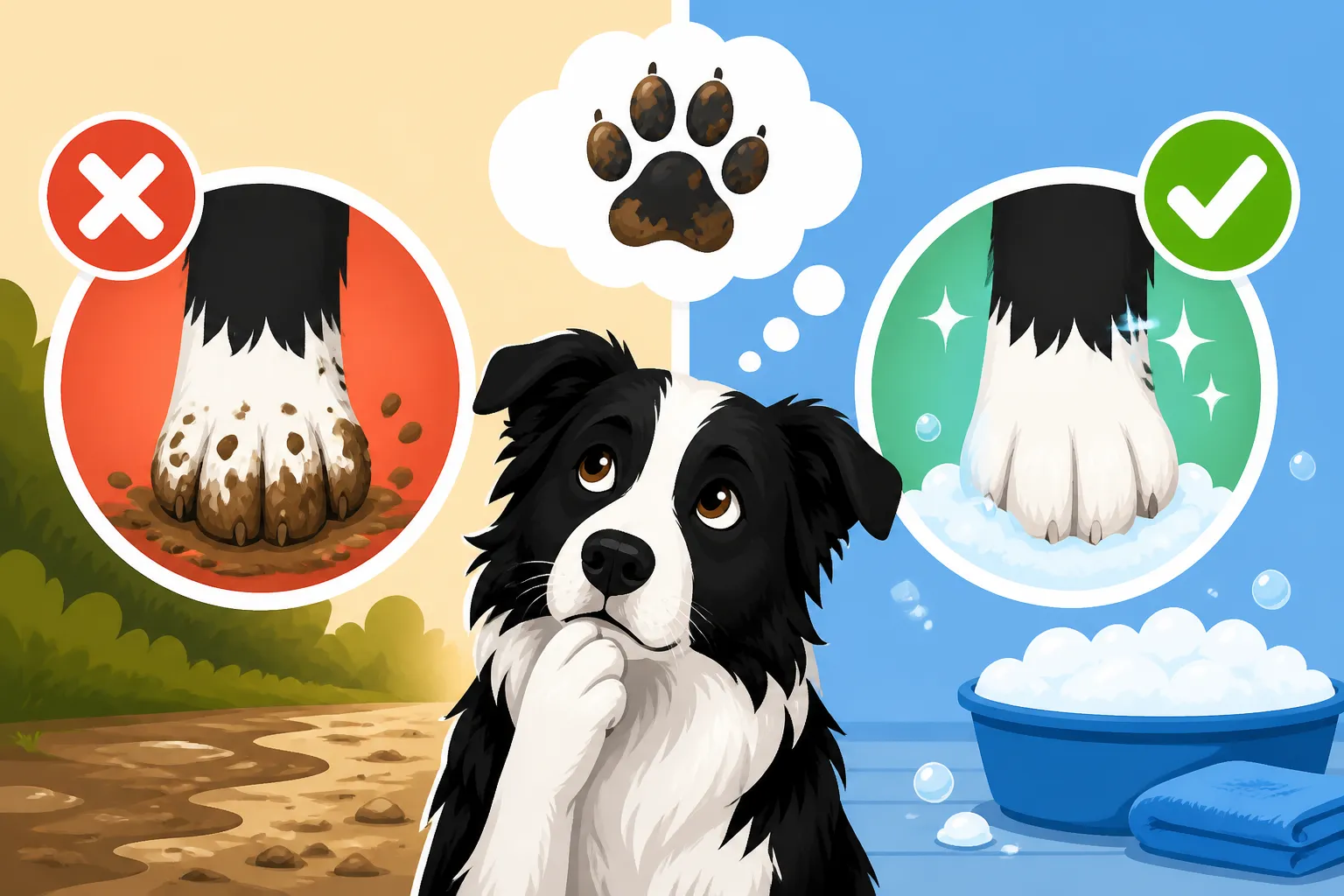
Border Collies thrive on activity. Whether they're herding sheep, tearing around an agility course, hiking miles on a trail, or just playing an intense game of fetch in the backyard, their feet are constantly on the move. This isn't a breed content with a short stroll around the block; they need to move and explore. This means their paws are regularly introduced to mud from damp fields, dust and grit from dry trails, damp soil from garden beds, and whatever else the great outdoors has to offer. They plunge through puddles, dig enthusiastically, and bound over varied surfaces, all of which contribute to dirty paws. It’s simply part of living with such an energetic and engaged companion.
For many owners, the sight of a Border Collie covered in mud after a vigorous outing is a badge of honor, a sign of a well-exercised dog. However, it also translates to a constant battle against tracked-in grime. The sheer volume of activity means their paws are more exposed to environmental factors than many other breeds, making cleanliness a frequent concern.
The Structure of a Border Collie's Paw
A Border Collie's paw is wonderfully adapted for their active life, but it also has features that make it a magnet for dirt. Their paw pads, while tough, have grooves and textures that can easily trap fine soil and debris. More significantly, most Border Collies, especially those with rougher coats, have feathering – longer hair – between their paw pads and around their lower legs. This hair acts like a tiny broom, sweeping up mud, grass, burrs, and even small stones as they move.
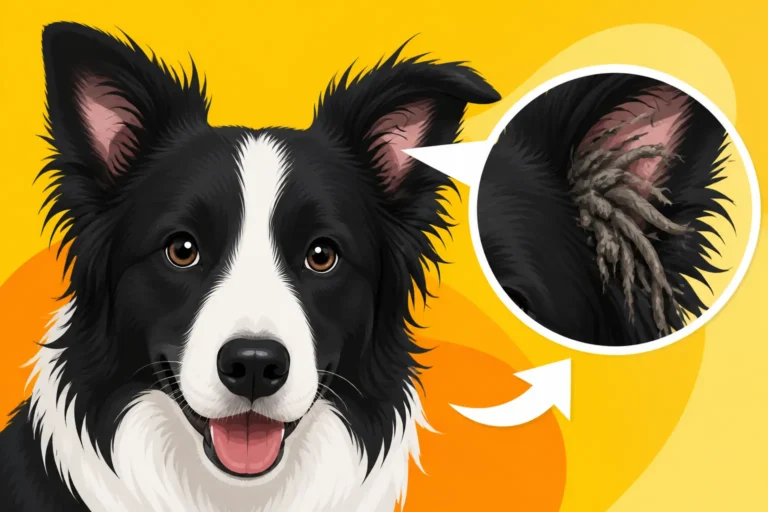
When this fur gets wet, it can clump with mud, forming stubborn mats that are not only unsightly but can also pull at the skin, causing discomfort and potential irritation. If left unaddressed, these matted clumps can harbor moisture, leading to skin infections or yeast overgrowth between the toes. Regular inspection, often done during a Weekly Once-Over a Working Border Collie Gets, is vital to catch these issues early.
Is Daily Washing Necessary? Debunking the Myth
The impulse to wash your Border Collie's feet daily to maintain a clean home is completely understandable. Nobody wants muddy streaks across their clean floors or embedded in their rugs. However, a full, soapy wash every single day might actually be doing more harm than good for your dog's paw health.
The Realities of Over-Washing
While cleanliness is important, frequent, thorough washing with shampoo can strip the natural oils from your Border Collie's paw pads and the skin between their toes. These natural oils are a crucial part of their skin's barrier function, protecting against dryness, cracking, and irritation. Imagine washing your own hands multiple times a day with harsh soap; they would quickly become dry, chapped, and uncomfortable. The same applies to your dog.
Stripping these oils can lead to dry, flaky skin, which can become itchy and uncomfortable for your dog. They might start licking or chewing their paws excessively, further irritating the skin and potentially introducing bacteria, leading to secondary infections. Furthermore, constantly saturating the fur between their toes and not drying it thoroughly can create a perpetually damp environment, which is a breeding ground for yeast and bacterial infections. It's a tricky balance between wanting a clean house and maintaining healthy paws.
When Some Washing Is Needed
So, if daily full washes are out, what's the alternative? The key is targeted cleaning and understanding when a more thorough clean is truly necessary versus when a quick wipe or rinse will suffice. You absolutely should clean your Border Collie's paws after particularly messy excursions, especially if they've been in heavy mud, stagnant water, or areas where they might have picked up irritants like road salt, pesticides, or allergens. For instance, if your dog has Allergies in a Border Collie, rinsing off potential triggers from their paws can be a very effective way to reduce their exposure.
A quick rinse with plain warm water, followed by a thorough towel dry, is often all that's needed for general mud and dirt. Save the full shampoo washes for when their feet are truly caked in stubborn grime or have come into contact with something you specifically want to remove with soap. Think of it as spot cleaning for their paws, rather than a full bath for their feet. This approach helps preserve their skin's natural balance while still keeping your home reasonably clean.
Practical Paw Care Solutions for Busy Owners
Living with an active Border Collie means you need practical, efficient ways to manage paw dirt without turning every entry into a major cleaning operation. Luckily, there are plenty of tools and routines that can make this process much smoother for both you and your dog.
Quick Clean-Up Tools and Techniques
Creating a designated "paw station" near your entry door can be a game-changer. This might include a durable mat, a soft towel specifically for paws, and a few key cleaning tools. For light dirt or dampness, a simple towel dry can work wonders. For more stubborn mud, a paw plunger or a paw cleaner cup is an excellent investment. These devices, often available through retailers like Chewy or Amazon, allow you to dip your dog's paw into a cup with gentle silicone bristles and a bit of water, effectively scrubbing away dirt without soaking their entire leg.
Another useful option is pet-specific paw wipes. These are fantastic for a quick clean-up of dust, light mud, or surface grime, and many are formulated with soothing ingredients that won't strip natural oils. Always make sure to dry their paws thoroughly, paying special attention to the spaces between the toes, to prevent moisture-related issues. If your Border Collie has been working hard in wet conditions, a careful dry can also prevent issues like Grass Seeds in a Border Collie's Feet from getting pushed further into the skin.
| Paw Dirt Level | Recommended Cleaning Method | Benefits | Cautions |
|---|---|---|---|
| Light Dust/Dry Dirt | Quick brush, dry towel wipe, pet wipes | Fast, non-invasive, preserves natural oils | May not remove all debris |
| Damp Soil/Light Mud | Warm water rinse (no soap), paw plunger/cup, towel dry | Effective, prevents over-drying, targeted | Requires thorough drying to prevent moisture issues |
| Heavy Mud/Grime | Warm water rinse with mild pet shampoo, thorough towel dry | Deep clean, removes stubborn residue | Only use when necessary; ensure thorough rinsing/drying |
| Chemicals/Allergens | Immediate warm water rinse, potentially mild soap, towel dry | Crucial for safety and irritation prevention | Avoid harsh chemicals; consult vet if irritation persists |
Preventative Measures and Maintenance
Beyond reactive cleaning, a proactive approach to paw care can significantly reduce the amount of dirt tracked into your home and improve your Border Collie's overall paw health. One of the most effective preventative measures is regularly trimming the hair between their paw pads. This feathering, while beautiful on a rough-coated Border Collie, acts like Velcro for mud, burrs, and ice balls. Using blunt-nosed scissors or a small, quiet electric trimmer (you can find good options on Amazon) to carefully trim this hair flush with the pads can dramatically reduce how much debris gets trapped. For tips on managing their coat, you might find guidance in Grooming a Rough-Coated Border Collie or The Smooth-Coated Border Collie and What Its Coat Needs.
Furthermore, consider using paw balms or waxes, especially if your Border Collie spends a lot of time on rough terrain or in extreme weather. These products create a protective barrier on their pads, helping to prevent cracking, chapping, and providing a smoother surface that's less likely to collect dirt. You can even find balms with natural ingredients designed to soothe and protect. Regular inspections of your Border Collie’s paws for any signs of cuts, thorns, or other foreign objects are also critical, helping to prevent more serious issues like Toe and Pad Injuries on a Working Border Collie.
Long-Term Paw Health Beyond the Wash
While managing the immediate mess is important, true paw health for your Border Collie extends far beyond just cleaning. It's an integral part of their overall well-being, impacted by their diet and regular veterinary care. Neglecting these aspects can lead to chronic paw issues, regardless of how meticulously you clean them.
Nutrition's Role in Paw Resilience
Believe it or not, what you feed your Border Collie plays a significant role in the health and resilience of their skin and paw pads. A high-quality diet, rich in essential fatty acids (like Omega-3s and Omega-6s), vitamins, and minerals, contributes to a strong skin barrier, healthy coat, and tough, supple paw pads. Dogs on a poor diet might exhibit dry, flaky skin, brittle nails, and easily irritated paw pads, making them more susceptible to problems even with careful cleaning.
Consider incorporating supplements or choosing a dog food that emphasizes these nutrients. Brands like Ollie, known for their focus on fresh, whole ingredients, often formulate their meals with skin and coat health in mind. Hydration is also key; ensuring your Border Collie has access to fresh water at all times helps keep their skin and pads moisturized from the inside out. For more on dietary needs, especially for active dogs, you can check out Feeding a Border Collie That Works Two Hours a Day. Good nutrition builds a strong foundation, allowing their paws to better withstand the daily wear and tear of their active lives.
Regular Vet Checks and Addressing Issues
Even with the best at-home care, Border Collies can develop paw problems. Persistent licking, chewing, limping, redness, swelling, or a strong odor from their paws are all signs that something more serious might be going on. These symptoms could indicate allergies, bacterial or fungal infections, foreign objects embedded deep in the paw, or even underlying health conditions. Your veterinarian is your best resource for diagnosing and treating these issues.
Don't hesitate to consult your vet if you notice any concerning changes in your Border Collie's paws. They can perform a thorough examination, take samples for testing if needed, and prescribe appropriate treatments. Early intervention can prevent minor issues from escalating into painful, chronic conditions. For example, if you suspect Sensitive Skin in a Border Collie, your vet can help identify triggers and recommend specific care routines or medications. Regular vet visits, even for seemingly minor paw concerns, are an essential part of ensuring your active companion stays comfortable and healthy for years to come.
Disclaimer
This article is for general informational purposes only and does not constitute professional advice. Laws, prices and regulations vary by location and change over time. Consult a qualified professional for guidance on your specific situation.