Wax in a Border Collie’s Ears
It’s a frustration many Border Collie owners know all too well: that distinct, sometimes unpleasant odor emanating from their dog's ears, or the sight of dark, greasy gunk when you peek inside. Excessive ear wax isn't just unsightly; it can be a real precursor to discomfort, irritation, and even serious infections for your active, intelligent companion. This comprehensive guide will walk you through why Border Collies are prone to waxy ears, how to spot the signs of trouble, and most importantly, how to safely and effectively manage their ear health at home.
Understanding Border Collie Ear Anatomy and Why Wax Builds Up
Border Collies, with their keen intelligence and boundless energy, are often found outdoors, whether working stock, competing in agility, or simply enjoying a long hike. While their ears are generally considered "prick" or "semi-prick," meaning they stand up or have a slight fold, this doesn't automatically protect them from ear issues. In fact, their activity levels and the very structure of their ear canal can make them susceptible to wax buildup and subsequent problems.
The Unique Border Collie Ear
Unlike breeds with heavy, pendulous ears that trap moisture and heat, the Border Collie's ear typically allows for better air circulation. However, even a semi-prick ear can create microclimates that encourage wax and debris to settle. The ear canal itself is L-shaped, making it a bit of a challenge for natural drainage. This anatomical twist means that even with good airflow at the opening, debris can still get trapped in the deeper horizontal canal. Think of it like a cul-de-sac where dirt naturally accumulates at the end.
Furthermore, many Border Collies have a fair amount of feathering or longer hair around and inside their ear opening. This hair, while beautiful, can act as a net, catching dust, pollen, grass seeds, and other environmental allergens as your dog moves through the world. This trapped debris then mixes with natural ear oils and dead skin cells, contributing to a more significant wax problem than you might expect for a dog with seemingly open ears.
Common Causes of Excessive Ear Wax
Beyond the ear's physical structure, several factors contribute to excessive wax production in Border Collies. Allergies are a huge culprit. Just like in humans, dogs can suffer from environmental allergies (pollen, dust mites) or food allergies, and often, the first place these manifest is in the skin and ears. An allergic reaction can cause inflammation in the ear canal, leading to increased sebum (oil) production and a thicker, stickier wax that's harder for the ear to expel naturally. If your Border Collie seems to have chronic waxy ears, especially accompanied by itching or redness, it's worth exploring potential allergies with your vet.
Another common cause is moisture. While their ears are more open than some breeds, Border Collies love water! Whether it's swimming in a pond, getting soaked during a rainy day on the farm, or simply a bath, water can get trapped in that L-shaped canal. This creates a warm, moist environment – basically, a perfect breeding ground for bacteria and yeast, which thrive in such conditions. When these microorganisms proliferate, the ear tries to fight them off by producing more wax, often leading to a vicious cycle of irritation and buildup. Ear Infections Under a Border Collie's Folded Ear often start this way, so managing moisture is key.
Finally, diet can play a role, though it's often overlooked. A diet lacking essential fatty acids or one that triggers sensitivities can impact skin and coat health, which extends to the lining of the ear canal. Sometimes, simply switching to a higher-quality food that supports overall skin health can make a noticeable difference in ear wax production. It’s not a magic bullet, but it's one piece of the puzzle.
The Dangers of Neglecting Ear Wax Buildup
Ignoring persistent ear wax isn't just about a stinky dog; it's a direct path to more serious health issues. The most immediate concern is the risk of ear infections, both bacterial and yeast-based. That trapped wax, moisture, and debris become a perfect petri dish for pathogens to grow. An ear infection can be incredibly painful for your Border Collie, leading to head shaking, scratching, and general misery.
Beyond infections, chronic inflammation from wax buildup can lead to thickening of the ear canal tissues, making it even harder for the ear to clean itself and for treatments to penetrate effectively. In severe, untreated cases, this can result in permanent hearing damage or even require costly and invasive surgery to alleviate the problem. It's a prime example of how a small, manageable issue can escalate into a major medical concern if not addressed proactively. Regular checks as part of The Weekly Once-Over a Working Border Collie Gets are vital.
Recognizing the Signs of Ear Wax Problems in Your Border Collie
Catching ear issues early can save your Border Collie a lot of discomfort and you a good deal of veterinary bills. As a proactive owner, it’s important to know what to look and listen for, even before your dog starts showing obvious signs of pain.
Visual Cues and Odors
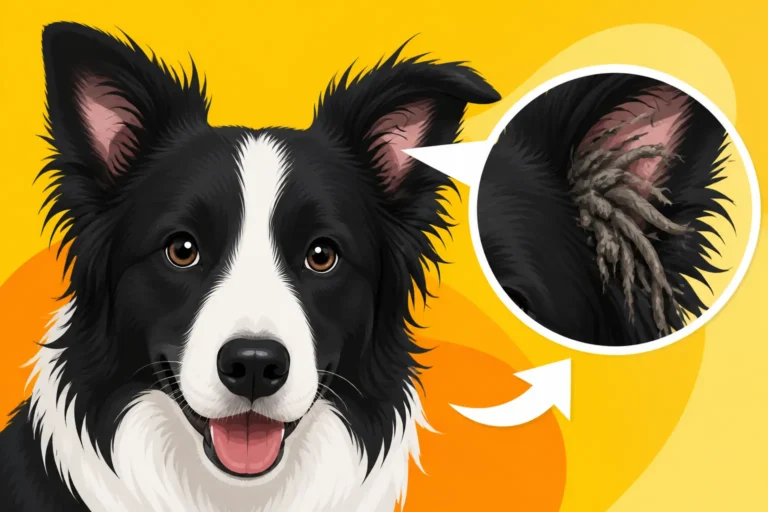
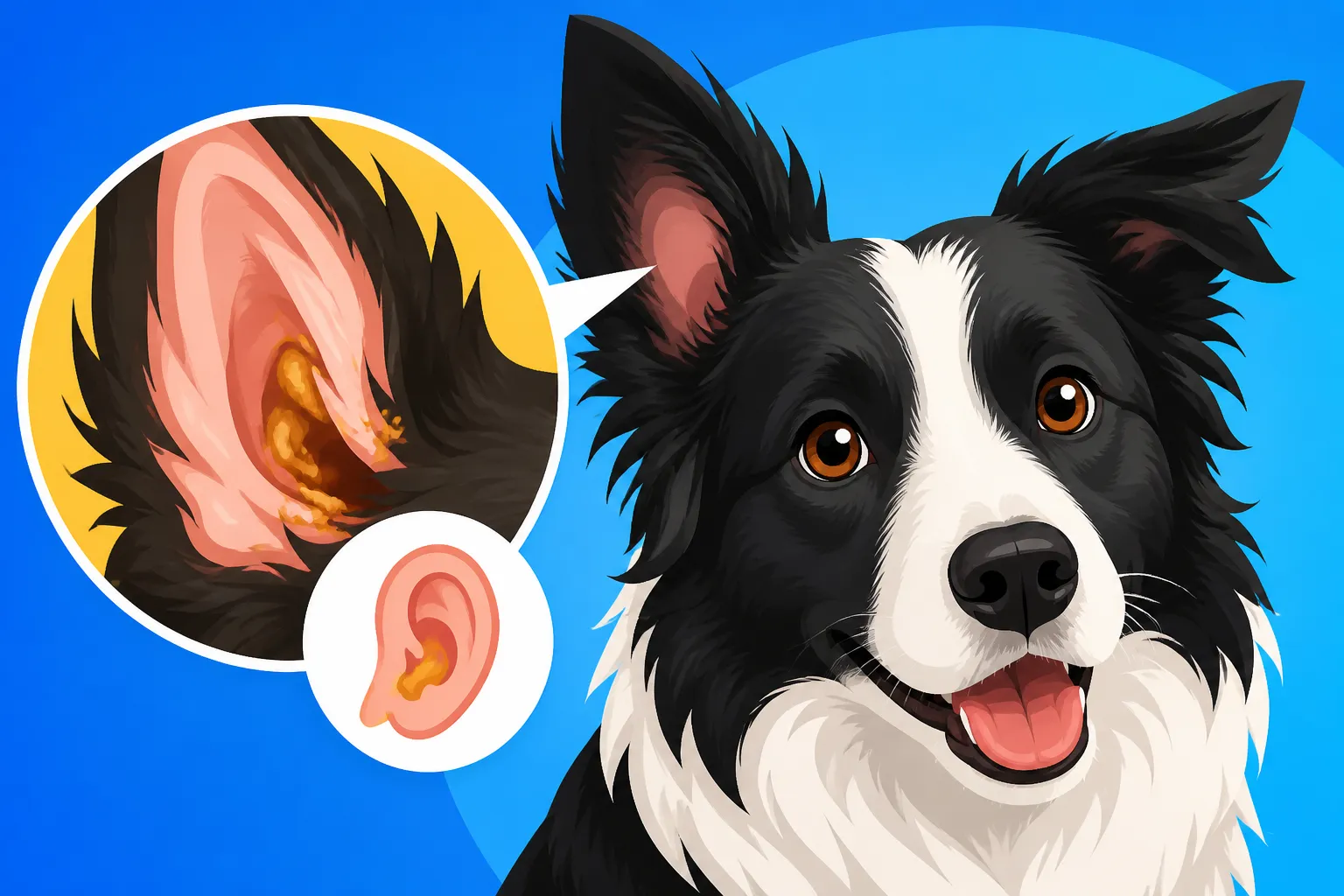
The first, and often most telling, sign of excessive ear wax or an impending problem is a change in the ear's appearance or smell. Healthy Border Collie ears should have clean, pink skin, with minimal, pale yellowish-brown wax that's easy to wipe away. If you start seeing dark brown, black, or reddish-brown discharge that looks waxy, crusty, or like coffee grounds, that’s a red flag. This can indicate a yeast infection or even ear mites, both of which cause significant irritation and are associated with a darker, more plentiful wax.
Another strong indicator is an unpleasant odor. A healthy ear should have almost no smell, or at most, a very faint, clean scent. If you catch a strong, yeasty smell (often described as being like old bread or cheese), or a foul, pungent odor, it’s a clear sign that something is amiss. This smell often accompanies bacterial infections. Don't dismiss a strange smell just because the ear looks okay from the outside; the problem might be deeper in the canal. This is especially true if you notice a lingering smell after your Border Collie has been working hard or gotten wet, which can hint at whether a Border Collie smells after a wet day.
Behavioral Indicators
Your Border Collie is an expert at communicating through behavior. If they are experiencing ear discomfort, they will almost certainly let you know. One of the most common signs is persistent head shaking or tilting. They might shake their head vigorously after lying down or constantly tilt it to one side, trying to relieve pressure or itchiness. You might also notice them scratching at their ears with their paws, sometimes so intensely that they cause raw spots or hair loss around the ear flap.
Beyond direct ear manipulation, you might observe a general change in their demeanor. A dog in pain might become withdrawn, less enthusiastic about play or work, or even show signs of aggression if you try to touch their head or ears. Sometimes, you might see them rubbing their head along furniture, carpets, or even your leg, attempting to scratch an itch they can't reach. If you notice any of these behavioral shifts, especially in conjunction with visual or olfactory cues, it's time to investigate further.
When to Consult the Vet
While routine ear cleaning is something you can confidently do at home, there are definite instances where professional veterinary intervention is necessary. If you see any signs of severe pain, such as yelping when the ear is touched, or if the ear canal looks very red, swollen, or has open sores, it’s time for a vet visit. Pus or a bloody discharge are also clear indicators that you need professional help immediately.
Additionally, if your Border Collie's ears don't improve after a couple of days of gentle cleaning, or if the problem recurs frequently, a trip to the vet is in order. Chronic ear issues often point to underlying conditions like allergies, foreign bodies (like a stubborn Grass Awns and Grit in a Border Collie's Ears), or even polyps or tumors that require diagnosis and specific medical treatment. Your vet can perform an otoscopic exam to look deep into the ear canal, take swabs for cytology (to identify bacteria or yeast), and prescribe the appropriate medication to get your Border Collie back to comfortable hearing. Consider this part of The Annual Exam a Border Collie Needs.
Safe and Effective Ear Cleaning Techniques at Home
Once you've ruled out a serious infection and your vet has given the green light for at-home maintenance, establishing a regular ear cleaning routine is crucial for your Border Collie's long-term ear health.
Gathering Your Supplies
Before you begin, gather everything you'll need. This makes the process smoother and less stressful for both you and your dog. You'll want a good quality, vet-approved ear cleaning solution designed for dogs. Avoid using alcohol, hydrogen peroxide, or human ear drops unless specifically instructed by your vet, as these can be irritating or harmful. Many excellent options are available from pet supply retailers like Chewy or Amazon; look for solutions that are gentle and formulated to break down wax.
You'll also need plenty of cotton balls or gauze pads. Resist the urge to use cotton swabs (Q-tips) for cleaning deep inside the ear canal, as these can push wax further in or even damage the eardrum. Cotton swabs are generally safe only for cleaning the visible folds and crevices of the outer ear. Have some treats on hand to make the experience positive, and if your Border Collie is particularly wiggly, a helper to gently hold them can be invaluable.
Step-by-Step Cleaning Process
Once you have your supplies ready, find a quiet, well-lit space where you can comfortably work. Start by gently folding back your Border Collie's ear flap. If there's a lot of hair around the opening, you might carefully trim it back with blunt-nosed scissors (or have a groomer do it regularly) to improve airflow and make cleaning easier. This can be especially important for Grooming a Rough-Coated Border Collie where feathering can be quite dense.
Next, hold the bottle of ear cleaner above the ear canal and squirt a generous amount into the ear until the canal is full. Don't be shy; you need enough liquid to really flush things out. Then, gently massage the base of the ear for about 20-30 seconds. You should hear a squishy sound, indicating the cleaner is working its way down into the L-shaped canal, breaking up the wax. After massaging, allow your Border Collie to shake their head vigorously – this is a critical step! The head shaking helps dislodge the loosened wax and cleaner from the deeper parts of the ear. Have a towel ready, as it can get a bit messy.
Finally, take a clean cotton ball or gauze pad and gently wipe out the visible parts of the ear canal and the inner ear flap. Don't go deeper than your finger can comfortably reach. Repeat these steps with fresh cotton balls until no more visible wax or dirt comes out. Remember, the goal is to remove the loosened debris, not to scrub aggressively. Give your dog a treat and praise them generously for their cooperation. Cleaning a Border Collie's Ears Without Overdoing It is about gentle, consistent care.
Products and Tools to Consider
When it comes to ear cleaning solutions, there's a wide variety out there. Many popular brands offer gentle, pH-balanced formulas that contain ingredients like witch hazel, salicylic acid, or boric acid, which help dry out the ear canal and discourage microbial growth. Some also include soothing agents like aloe vera to calm irritated skin. You can find these easily at online retailers like Chewy or Amazon, or at your local pet store. Always check the ingredients list to ensure there are no known irritants for your specific dog.
For tools, beyond cotton balls, some owners find specialized ear wipes helpful for quick clean-ups of the outer ear or for in-between deep cleans. These wipes are pre-moistened with ear cleaning solution and are convenient for wiping away surface dirt. If your Border Collie is prone to getting a lot of debris in their ears after outdoor adventures, especially if they are a working dog, a specialized ear drying solution can be a godsend. These are applied after swimming or bathing to quickly evaporate moisture from the ear canal, helping prevent that damp environment where infections thrive.
| Ear Cleaning Solution Type | Pros | Cons | Best For |
|---|---|---|---|
| Antiseptic/Drying Solutions | Helps kill bacteria/yeast, dries out canal, good for maintenance. | Can be irritating if overused or if ear is already inflamed. | Regular maintenance, post-swim, mild odor/wax. |
| Wax-Dissolving Solutions | Specifically formulated to break down stubborn, thick wax. | May not have strong antiseptic properties; can leave residue if not wiped clean. | Heavy wax buildup, stubborn grime. |
| Saline Flushes | Very gentle, non-irritating, good for sensitive ears or minor debris. | Doesn't have antiseptic or wax-dissolving properties; less effective for infection. | Very sensitive ears, rinsing after other solutions, light dust. |
| Medicated Cleaners | Contains prescription ingredients for active infections or specific issues. | Only used under vet guidance; can be too harsh for routine cleaning. | Active ear infections (bacterial/yeast) diagnosed by a vet. |
Preventing Future Ear Wax Accumulation
The best defense is a good offense when it comes to ear health. By implementing a consistent preventive routine, you can significantly reduce the chances of your Border Collie developing problematic ear wax.
Establishing a Regular Routine
Consistency is absolutely key. For most Border Collies, a weekly or bi-weekly ear check and a gentle wipe-out of the outer ear is a good starting point. For dogs prone to more wax or those frequently exposed to water (like a Border Collie who loves to swim), a deeper cleaning every 2-4 weeks might be necessary. It really depends on your individual dog and their lifestyle. After a bath or a swimming session, always make sure to use an ear drying solution to remove excess moisture. Bathing a Border Collie That Works in Mud is a great time to also check and clean their ears thoroughly.
Make ear checks a positive experience from a young age. Start with short, positive interactions, giving treats and praise just for looking at their ears. Gradually work up to gently handling, looking inside, and then eventually, the cleaning process. This builds trust and makes the routine less stressful. If you have a working Border Collie, integrating ear checks into their Checking a Border Collie Over After Field Work routine makes a lot of sense, as they're already used to being handled after intense activity.
Dietary Considerations
While diet isn't a direct ear cleaner, it plays a massive role in overall skin and coat health, which directly impacts the ears. High-quality dog food that provides a balanced nutritional profile, especially with adequate omega-3 fatty acids, can help maintain healthy skin and a less inflammatory response throughout the body, including the ears. Brands like Ollie, known for their fresh, whole-food ingredients, or premium kibble brands often focus on formulations that support skin and coat health, which can indirectly lead to fewer ear issues.
If your Border Collie suffers from recurrent ear issues, working with your vet on a potential food trial to rule out food allergies could be highly beneficial. Sometimes, simply eliminating a common allergen (like certain proteins or grains) from their diet can dramatically improve chronic ear inflammation and reduce wax production. It’s a process that requires patience, but the long-term relief for your dog can be priceless.
Environmental Factors
Your Border Collie's environment also contributes to ear health. If your dog spends a lot of time outdoors in dusty, dirty, or pollen-rich environments, they're naturally going to accumulate more debris in their ears. After long hikes through tall grasses or working in dusty fields, a quick check and wipe-down of their ears can prevent minor irritants from becoming major problems.
Managing exposure to known allergens can also help. If you know your dog is allergic to certain pollens, for instance, a quick wipe of their face and ears after they come inside can help remove some of those allergens before they have a chance to settle and trigger a reaction. While you can't control every environmental factor, being mindful of what your Border Collie is exposed to can inform your ear care routine.
Disclaimer
This article is for general informational purposes only and does not constitute professional advice. Laws, prices and regulations vary by location and change over time. Consult a qualified professional for guidance on your specific situation.