Border Collie Colors and Coat Types
One of the first things people often notice about a Border Collie, beyond their intense gaze and boundless energy, is their stunning coat. But what many new or aspiring owners don't realize is just how varied these coats can be, not just in color but also in length and texture. It's a common frustration to see a beautiful Border Collie and assume they all look exactly the same, only to discover a vast spectrum of possibilities that can sometimes feel overwhelming to understand. This guide will take a deep dive into the fascinating world of Border Collie colors and coat types, helping you appreciate the diversity and understand the genetics behind these captivating dogs.
The Classic Black and White Border Collie
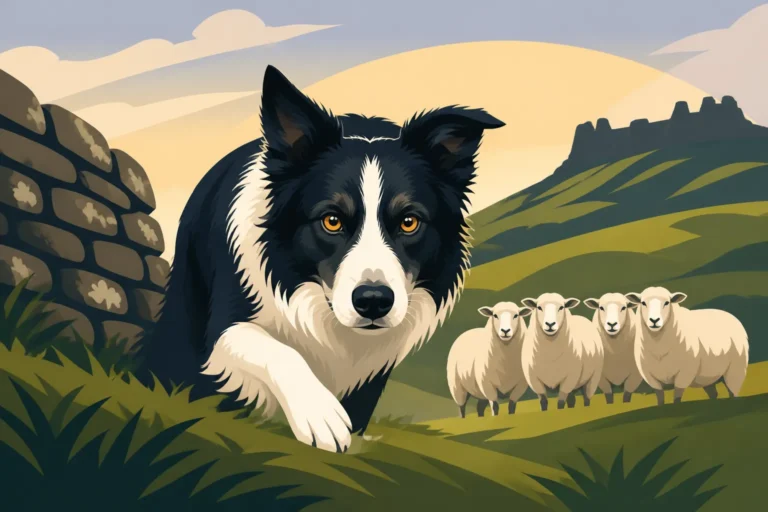
When you picture a Border Collie, chances are the image that pops into your head is a striking black and white dog, perhaps poised low to the ground, intensely focused on a flock of sheep. This iconic look is more than just aesthetically pleasing; it's deeply ingrained in the breed's history and working heritage. It's truly the benchmark against which many people measure a "true" Border Collie, even though the breed boasts a kaleidoscope of other colors.
Why Black and White Dominates the Perception
The prevalence of black and white in Border Collies isn't merely a coincidence or a popular trend; it stems from their origins as dedicated working dogs in the Anglo-Scottish borders. For shepherds, functionality always trumped aesthetics. A predominantly black and white dog stood out clearly against the green fields and white sheep, making it easier for the shepherd to see their dog and interpret its subtle body language from a distance, particularly in varying light conditions. This practical advantage meant that these color patterns were often inadvertently selected for in breeding programs focused solely on working ability.
Over generations, the black and white combination became synonymous with the breed's incredible herding prowess and keen intelligence. It's a visual shorthand that instantly communicates "Border Collie" to most people, an association so strong that other colors are sometimes mistakenly believed to be mixed breeds or less "pure." This historical emphasis on utility fostered the widespread recognition of this color pattern, solidifying its place as the definitive Border Collie look in the public imagination, even as genetic diversity naturally offered other options.
Variations in Black and White Markings
Even within the classic black and white, there's a surprising amount of variation in how the white markings are distributed. It's not just a simple fifty-fifty split; Border Collies can display a range of patterns that contribute to their unique appearance. Some might have what's called "Irish spotting," characterized by a white collar, blaze, chest, belly, and socks, with color covering most of their back and sides. This is a very common and often desired pattern.
Then there are dogs with a "mantle" pattern, where the color forms a cape or blanket over their back, with more extensive white on the chest, belly, and legs. On the other end of the spectrum, you might see dogs with "minimal white," meaning just a touch on their toes, chest, or a small blaze. Conversely, some Border Collies can be almost entirely white with just a few patches of color, often on their ears or around their eyes. These markings can also shift slightly as a puppy grows, with small patches of color sometimes appearing or expanding. Understanding these nuances helps us appreciate that even the "standard" look has its own rich tapestry of patterns, each contributing to the individual charm of the dog.
White Factor and Its Implications
The "white factor" in Border Collies refers to dogs with significantly more white on their bodies, particularly around the head and ears. While often striking, it's important for breeders and owners to understand the potential implications. Historically, dogs with excessive white, especially around the ears and over the eyes, were sometimes culled or avoided in working lines due to concerns about associated health issues, particularly deafness or vision problems if related to the merle gene. However, in black and white dogs, excessive white isn't usually linked to these specific problems unless there's an underlying merle gene at play that might not be immediately obvious.
It's more often an aesthetic consideration or a factor in certain breed standards, such as What the AKC Standard Says a Border Collie Is, which may have preferences or limitations on the amount of white. For a working dog, extreme white might sometimes make them less visible in certain snowy conditions, but this is a minor concern compared to their innate drive and ability. Responsible breeders will prioritize health, temperament, and working ability above all else, ensuring that a dog with extensive white is just as sound and healthy as any other. It’s a good reminder that a dog’s beauty runs far deeper than its superficial coat pattern.
The World of Solid and Bi-Color Variations Beyond Black and White
While black and white might be the poster child for the Border Collie, the breed's genetic makeup allows for a surprisingly diverse palette of colors. Stepping outside the traditional monochrome opens up a world of rich, earthy tones and cool, diluted hues that are equally stunning and, for many, even more captivating. These variations don't just happen by chance; they are the result of specific genes influencing pigment production, offering a beautiful range of bi-color and even solid coats.
Rich Reds and Chocolates
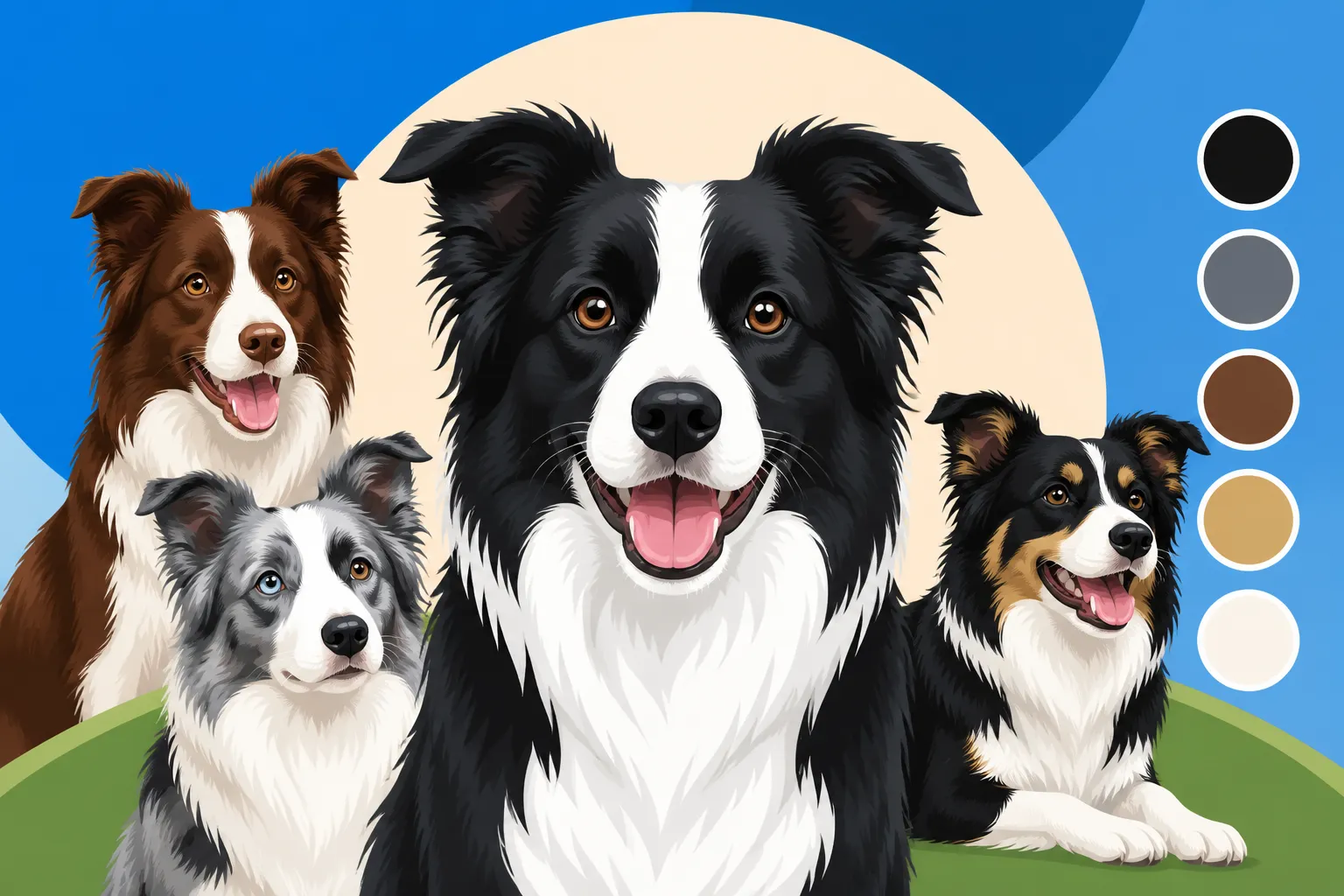
One of the most eye-catching deviations from black and white is the red Border Collie, often referred to as "chocolate" or "brown." These dogs range in shade from a light, warm copper to a deep, dark mahogany. The red coloration is caused by a recessive gene that essentially changes black pigment to brown. So, a dog needs two copies of this recessive gene to express red. This is why you might see a black and white parent pair produce a red and white puppy, much to the delight of some owners.
The intensity of the red can vary widely, giving each dog a unique depth to their coat. Sometimes these coats lighten with sun exposure, developing beautiful highlights. While not as common as black and white, red Border Collies have a growing fan base for their distinctive and often softer appearance. Many people wonder, Whether a Red Border Collie Is Rare. While not as abundant as black and white, they are certainly not a rarity in the sense of being exceptionally scarce. Their prevalence depends heavily on breeding choices and regional preferences, but they are increasingly appreciated for their striking beauty.
Striking Blues and Lilacs
Moving into the cooler tones, we find blue and lilac Border Collies. These colors are the result of a dilution gene acting on black and chocolate pigments, respectively. A blue Border Collie is essentially a diluted black, resulting in a slate-gray coat that can range from a light, steely blue to a deeper charcoal. Their noses and paw pads will also be a slate gray rather than black. These dogs have a wonderfully soft and somewhat ethereal look that stands out in a crowd.
Lilac, on the other hand, is a double dilution: it's a chocolate (red) coat that has also been diluted. This results in a truly unique, soft, brownish-gray color, sometimes described as dove gray or even a dusty rose. Lilac Border Collies are less common than blues, making them particularly sought after by those looking for something truly distinctive. Both blue and lilac coats can display the same white markings as their black and white or red and white counterparts, creating captivating bi-color combinations.
Sable and Brindle Patterns
Beyond solid colors and standard bi-colors, Border Collies can also sport more complex patterns like sable and brindle, though these are seen less frequently than the classic black and white or reds. Sable is a pattern where each individual hair shaft has both a red/tan base and black tipping. This creates a shaded effect, often appearing darker on the back and fading to lighter tan on the legs and underside. The overall look can range from a very dark, almost black sable to a much lighter, reddish-tan sable, giving the dog a soft, blended appearance.
Brindle is perhaps one of the rarest patterns in Border Collies, characterized by a tiger-striped effect. It involves streaks of dark pigment (black or brown) overlaid on a lighter background (typically fawn or red). Imagine thin, irregular stripes across the body. This pattern is quite striking and undeniable when present, making a brindle Border Collie truly unique. You can learn more about these specific patterns, especially how they manifest, by looking into Sable and Saddleback Border Collies. These unique patterns add another layer of visual interest to an already diverse breed, challenging the misconception that Border Collies are only black and white.
The Enigmatic Merle Border Collie
The merle pattern is perhaps one of the most visually dramatic and, in some circles, controversial coat colors found in Border Collies. It transforms the dog's base color into a mottled, patchwork appearance, creating a truly distinctive and often mesmerizing look. However, with its beauty comes a significant responsibility for breeders and owners to understand the underlying genetics and potential health implications.
Understanding the Merle Gene
The merle gene is a dilution gene that affects only the black or liver pigment in a dog's coat, causing it to randomly dilute in patches. Instead of uniformly diluting the entire coat color like the blue or lilac dilution genes, merle creates irregular areas of lighter pigment interspersed with the full, undiluted base color. This results in the characteristic mottled or marbled appearance. It's important to remember that merle doesn't introduce a new color; it modifies an existing one.
For example, a black dog with the merle gene becomes a "blue merle," meaning patches of black, gray (diluted black), and often white. Similarly, a chocolate (red) dog with the merle gene becomes a "red merle," displaying patches of chocolate, lighter liver/tan, and white. The merle gene can also affect eye color, often leading to striking blue eyes or even heterochromia, where one eye is blue and the other is brown or amber. For a deeper dive, Merle Border Collies and What It Means offers excellent insights into this fascinating genetic trait. The gene acts like a broken paint roller, selectively missing spots and creating a mosaic rather than a solid wash of color.
Common Merle Colorations
The most commonly recognized merle patterns in Border Collies are blue merle and red merle, each with its own captivating aesthetic. A blue merle Border Collie starts with a black base coat. The merle gene then dilutes random patches of this black to a lighter gray or silver, leaving some areas fully black. Combined with white markings, a blue merle can look like a striking blend of charcoal, slate, and snow. Their eyes are often partially or wholly blue, adding to their unique charm.
Red merle Border Collies, on the other hand, have a chocolate (red) base coat. The merle gene dilutes patches of this chocolate to a lighter liver or tan, creating a marbled effect of deeper and lighter browns, typically accented with white. These can be incredibly beautiful, with warm tones that stand out. Beyond these, you might occasionally hear of other merle variations like slate merle (diluted blue merle) or sable merle (sable with merle patterning), which further illustrate the complex interactions of coat color genes. Each merle dog is truly a one-of-a-kind piece of art, thanks to the random nature of the merle gene's expression.
The Risks of Double Merle Breeding
While single merle Border Collies are undeniably beautiful, the breeding of two merle dogs together – known as "double merle" or "homozygous merle" breeding – carries severe and well-documented health risks. This is a critical ethical consideration for any responsible breeder. When a dog inherits two copies of the merle gene (one from each parent), the gene's diluting effect can become so extreme that it interferes with the development of the eyes and ears.
Double merle dogs are significantly more prone to being deaf, blind, or both. They often have underdeveloped eyes (microphthalmia), irregular pupils, or even missing eyes. Their coats also tend to have excessive white, often appearing predominantly white with minimal patches of color. The impact on their quality of life can be devastating, requiring specialized care and creating significant challenges for owners. This is why it is unequivocally recommended to avoid breeding two merle dogs together. Reputable breeders will always genetically test their breeding stock and understand the risks, never producing double merles knowingly. If you're considering a merle Border Collie, it's absolutely vital to ask about the parents' genetic backgrounds and ensure that ethical breeding practices were followed. This is why questions like Whether Two Merle Border Collies Should Be Bred are so important for potential owners and breeders alike to fully grasp.
Eye Color: A Window to the Soul (and Genetics)
Beyond the coat itself, a Border Collie's eyes are one of its most defining features. That intense, intelligent "eye" they use to control stock is legendary. But just like their coats, Border Collie eye colors come in a fascinating array of hues, often directly linked to their coat genetics. It's not just about aesthetics; eye color can tell you a story about a dog's genetic lineage and sometimes even hint at underlying traits.
Brown, Blue, and Amber Eyes
The most common eye color in Border Collies is a rich, dark brown. This deep, warm hue is often associated with the classic black and white dogs and is generally preferred in many breed standards, including those focused on working ability. Brown eyes convey that intense focus Border Collies are famous for, appearing almost black when locked onto a task.
However, Border Collies can also have striking blue eyes. These are most commonly seen in merle-patterned dogs, where the merle gene's pigment-diluting effect can extend to the iris. But it's not exclusive to merles; occasionally, a non-merle Border Collie, particularly those with extensive white on the face, might also have one or both blue eyes, though this is less common. Then there are amber or golden eyes, which typically accompany red (chocolate) or lilac coats. This warm, lighter eye color complements the softer tones of these coats beautifully. Sometimes you'll even see heterochromia, where a dog has two different colored eyes—for example, one blue and one brown. This is completely natural and simply another charming variation in the breed.
Merle and Blue Eyes
The connection between the merle gene and blue eyes is a strong one and often creates a truly captivating look. When the merle gene is present, it can disrupt the normal pigment distribution in the iris, leading to partial or full blue coloration. This is why blue merle and red merle Border Collies frequently have sparkling blue eyes, sometimes one blue and one brown (heterochromia), or even marbled blue eyes that contain flecks of brown. The blue eyes in merle dogs are not generally considered a fault in working lines, as they are a natural expression of the merle gene and do not typically impair vision.
It’s the striking contrast of blue against the mottled coat that makes merle Border Collies so visually arresting. Many owners adore this feature, finding it adds to the dog's unique personality. It’s also interesting to note that blue eyes in merle dogs are distinct from the blue eyes that can occur in some other breeds (like Siberian Huskies) which are not linked to the merle gene. This specific blue is part of the merle package, making it a reliable indicator of the underlying genetics. So, if you've ever wondered Why Some Border Collies Have One Blue Eye, especially in a merle-patterned dog, it's very often a direct result of that fascinating merle gene at work.
Eye Color and Breed Standard (Working vs. Show)
The discussion around Border Collie eye color often highlights the subtle but important differences between working-line and show-line priorities. For working Border Collies, eye color is largely irrelevant as long as the dog has healthy vision. The focus is entirely on ability, temperament, and drive. A shepherd couldn't care less if their dog has blue eyes or brown, as long as it can gather sheep effectively and respond to commands with that intense, focused stare. In fact, many working dog enthusiasts find the variety of eye colors, including heterochromia, charming and characteristic of the breed's natural diversity.
However, in the conformation show ring, specific standards for eye color might apply. The AKC standard, for instance, generally prefers brown eyes, especially for black-coated dogs, and might view blue eyes as a fault unless associated with merle coloration. For example, The Almond Eye a Border Collie Standard Calls For often refers to the shape and expression of the eye, but color can also be a component. These standards are typically designed to uphold a certain aesthetic ideal, rather than reflecting any impact on health or working capability. It's a classic example of how the functional origins of a breed can diverge from the preferences of the show ring, and it's a distinction many Border Collie enthusiasts are keenly aware of.
Decoding Border Collie Coat Types
Beyond the vibrant array of colors, Border Collies also come in different coat lengths and textures. These coat types play a significant role not just in their appearance, but also in their grooming needs and how they handle various environmental conditions. Understanding these distinctions is crucial for prospective owners, as it directly impacts daily care and lifestyle compatibility.
The Rough Coat: Feathered and Flowing
The rough coat is probably what most people imagine when they think of a Border Collie. It's a medium to long length coat, characterized by its dense, somewhat coarse outer layer and a soft, thick undercoat. The hair is usually longer on the ruff (around the neck), chest, belly, and hind legs, where it forms distinct "feathering" or "trousers." This flowing coat gives the dog an elegant, somewhat shaggy appearance that is both beautiful and functional.
The rough coat evolved to provide excellent protection against the harsh weather of the Scottish borders—rain, wind, and cold. The dense undercoat acts as insulation, while the coarser outer coat sheds water and dirt. However, this beautiful coat does come with significant grooming requirements. It's prone to matting, especially behind the ears, in the armpits, and on the feathering, and it sheds heavily, particularly during seasonal "coat blows." Regular brushing, often several times a week, is essential to keep it free of tangles and to manage shedding. If you're bringing home a rough-coated Border Collie, prepare for a commitment to grooming; for tips, check out Grooming a Rough-Coated Border Collie. Using a good quality brush and perhaps a deshedding tool, readily available at pet stores like Chewy, can make a huge difference in keeping that coat in top condition.
The Smooth Coat: Sleek and Practical
While less common than the rough coat, the smooth coat is equally characteristic of the Border Collie breed and has a strong presence in working lines. As the name suggests, this coat is short, flat, and generally coarser in texture than the rough coat. There is minimal to no feathering on the legs, chest, or tail, giving these dogs a much sleeker, more athletic profile. Their bodies appear more sharply defined, highlighting their muscular build.
The smooth coat offers distinct advantages, particularly for working dogs. It's much lower maintenance in terms of grooming; burrs, thorns, and mud are less likely to get caught in the shorter hair, and it dries much faster after working in wet conditions. This can be a huge benefit for handlers who need their dogs to be ready for action quickly without spending extra time on cleanup. While they still have an undercoat and do shed, the shedding is generally less noticeable and easier to manage than with a rough coat. For those who appreciate a more streamlined look and fewer grooming demands, a smooth-coated Border Collie is an excellent choice. Understanding How a Smooth Border Collie Differs to Groom is key, as their needs are less intense but still present.
Genetics of Coat Length and Texture
The difference between rough and smooth coats in Border Collies is determined by a single gene, with the smooth coat being dominant over the rough coat. This means that a dog only needs to inherit one copy of the "smooth" gene (Lh/Lh or Lh/lh) to have a smooth coat. A rough-coated dog, on the other hand, must inherit two copies of the recessive "rough" gene (lh/lh). This genetic mechanism explains why you can often see both rough and smooth puppies within the same litter, especially if both parents carry the recessive rough gene.
For example, if two rough-coated dogs are bred, all their puppies will be rough-coated (lh/lh x lh/lh = all lh/lh). However, if a smooth-coated dog that carries the rough gene (Lh/lh) is bred to another smooth-coated carrier (Lh/lh), or to a rough-coated dog (Lh/lh x lh/lh), then both coat types can appear in the litter. This genetic lottery adds another layer of anticipation for breeders and prospective owners. Understanding this inheritance pattern is part of appreciating the breed's diversity. It's a fascinating aspect of Border Collie genetics, especially when considering Whether Both Coats Appear in One Border Collie Litter from what might seem like uniform parents.
The Influence of Genetics on Coat and Color
Understanding Border Collie coat colors and types isn't just about admiring their beauty; it's about appreciating the fascinating science of genetics that underpins every shade and texture. For breeders, this knowledge is critical for making informed decisions, ensuring the health and predictability of their litters. For owners, it offers a deeper appreciation for their unique companion and the heritage they carry.
Understanding Dominant and Recessive Genes
The vast array of Border Collie colors and coat types is a direct result of dominant and recessive genes working together. In simple terms, a dominant gene will express itself even if only one copy is present, while a recessive gene only expresses itself if two copies are inherited (one from each parent). For example, the black coat color is dominant over red (chocolate). This means a dog with at least one "black" gene will appear black (or blue if diluted), even if it carries a "red" gene. To be red, a dog must inherit two "red" genes.
Similarly, as we discussed, the smooth coat is dominant over the rough coat. This basic understanding helps explain why certain colors or coat types seem more prevalent, and why others, like lilac or brindle, are rarer—it takes a specific combination of recessive genes to produce them. Breeders use this knowledge to predict potential outcomes, though genetics can always hold a few surprises. It's a complex puzzle, but knowing the fundamentals helps demystify why one puppy in a litter might look so different from its siblings.
The Importance of Genetic Health Panels
While this discussion has focused primarily on aesthetics, it's crucial to understand that some coat color genes are directly linked to health considerations, making genetic testing paramount. The most prominent example is the merle gene. As we've explored, breeding two merle dogs (double merle) can lead to severe health issues, including deafness and blindness. Responsible breeders will use genetic panels to identify if a dog carries the merle gene, even if it's a cryptic merle (where the merle pattern isn't obvious), to prevent accidental double merle matings.
Beyond coat color, genetic panels screen for a range of health conditions common in Border Collies, such as Collie Eye Anomaly (CEA), Trapped Neutrophil Syndrome (TNS), Neuronal Ceroid Lipofuscinosis (NCL), and Drug Sensitivity (MDR1). A comprehensive panel can provide invaluable information about a dog's genetic health, allowing breeders to make mating decisions that reduce the risk of passing on these conditions. Products like at-home DNA testing kits, some of which might even be available through retailers like Chewy, make it easier for owners and smaller breeders to access this vital information. Understanding The Border Collie Genetic Panel and What It Screens is not just about avoiding disease; it's about promoting the overall health and longevity of the breed.
Ethical Breeding Choices
Ultimately, the diversity in Border Collie colors and coat types underscores the immense responsibility of ethical breeding. While a stunning blue merle or a unique lilac rough coat might be highly desirable, these aesthetic preferences should never take precedence over health and temperament. Ethical breeders prioritize producing sound, healthy dogs with excellent working drives and stable temperaments. This means carefully selecting breeding pairs based on comprehensive health testing, temperament evaluations, and proven working ability, rather than simply breeding for a specific color or pattern.
They understand the risks associated with certain genetic combinations, like double merle, and make conscious choices to avoid them. They are transparent with prospective puppy buyers, sharing all health clearances and genetic test results. When looking for a Border Collie, asking about Which DNA Tests a Border Collie Breeder Should Have Run is a foundational step. By focusing on responsible practices, breeders ensure that the incredible genetic diversity of the Border Collie continues to thrive in a healthy and sustainable way, allowing future generations to enjoy these intelligent and beautiful dogs, regardless of their specific coat color or type.
Comparison of Common Border Collie Coat Colors and Types
To help visualize the wonderful diversity we've explored, here's a quick overview of some of the most common Border Collie coat colors and types. Keep in mind that within each category, there's still a spectrum of variation!
| Feature | Black & White | Red (Chocolate) & White | Blue & White (Diluted Black) | Lilac & White (Diluted Chocolate) | Blue Merle | Red Merle | Rough Coat | Smooth Coat |
|---|---|---|---|---|---|---|---|---|
| Base Color | Black | Chocolate/Brown | Gray/Slate | Dusty Brown/Gray | Black | Chocolate | Any | Any |
| Markings | White | White | White | White | White, Blue/Gray | White, Liver/Tan | N/A | N/A |
| Eye Color Often | Brown, sometimes Blue | Amber, sometimes Blue | Brown, Amber, Blue | Amber, sometimes Blue | Blue, Marbled, Brown | Blue, Marbled, Amber | N/A | N/A |
| Nose/Pads | Black | Liver | Slate Gray | Lilac/Pinkish Gray | Black/Gray | Liver/Pinkish | N/A | N/A |
| Rarity | Very Common | Common | Less Common | Rare | Common (Merle) | Less Common (Merle) | Very Common | Common |
| Grooming Need | Medium | Medium | Medium | Medium | Medium | Medium | Higher (for length) | Lower (for length) |
| Texture | Coarse/Soft | Coarse/Soft | Coarse/Soft | Coarse/Soft | Coarse/Soft | Coarse/Soft | Dense, Feathered | Short, Sleek |
Disclaimer
This article is for general informational purposes only and does not constitute professional advice. Laws, prices and regulations vary by location and change over time. Consult a qualified professional for guidance on your specific situation.