James Reid and the Name Border Collie in 1915
The world of dog breeds can be a bit of a labyrinth, especially when you start digging into the history of specific types. For years, folks who loved and worked with those incredible herding dogs from the Anglo-Scottish border faced a real challenge: what exactly were they called? This guide will dive deep into the fascinating story of how our beloved Border Collie finally got its definitive name, thanks to one insightful man, James Reid, in 1915.
The Shifting Sands of Collie Nomenclature Before 1915
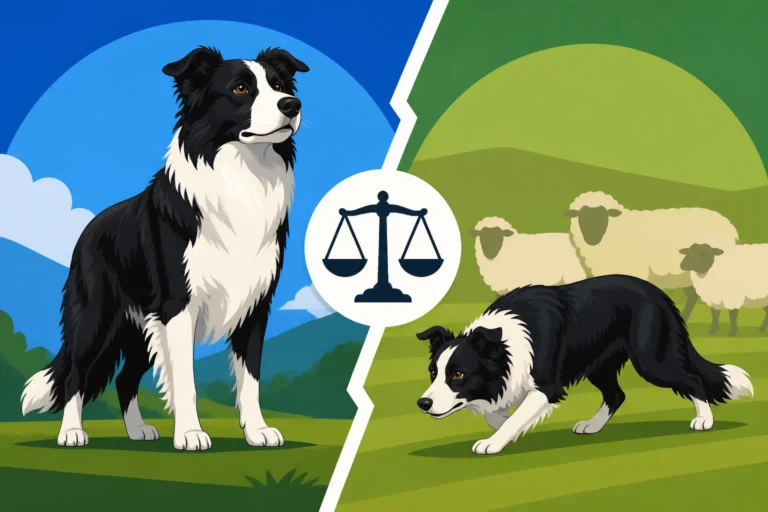
Before 1915, if you talked about a "collie," you could have been referring to any number of sheepdogs, from the shaggy, elegant show dog popular in Victorian parlors to the hard-bitten, keen-eyed worker on the roughest fells. There wasn't a unified, widely accepted name for the specific type of dog that would eventually become the Border Collie, leading to endless confusion and misidentification. It was a bit like calling all four-wheel-drive vehicles "trucks" – sure, they have similarities, but the nuances are lost.
"Collie" – A Broad Brushstroke
The term "collie" itself is thought to have come from the "colley" sheep, a black-faced breed common in Scotland, or perhaps from an Old English word for "dark." Regardless of its exact etymology, it became a generic term for sheepdogs across Britain. You'd hear "Scotch Collie," "Welsh Collie," "Northern Collie," or simply "Working Collie," and each region had its own variations in appearance, size, and working style. Imagine trying to explain to someone today that you own a "dog" without specifying the breed – that's the kind of broadness the term "collie" encompassed back then. It was functional, but hardly precise.
The lack of a specific name for the outstanding working dogs, those with the intense "eye" and natural herding instinct, created a void. People knew what they wanted from a working dog, and they recognized certain traits, but the naming convention was still quite fluid and regional. This made it difficult for breeders to register their dogs accurately or for potential buyers to truly understand what kind of "collie" they were getting. For anyone seeking to maintain a specific line of working dogs, this ambiguity was a real headache. You can delve more into the origins by reading What Collie Meant Before the Border Collie.
The Rise of Distinction: A Need for Clarity
As sheepdog trials grew in popularity throughout the late 19th and early 20th centuries, the need for clearer distinctions became undeniable. Handlers, breeders, and enthusiasts started to recognize that certain types of "collies" were simply superior in the field – they had a particular intensity, a unique way of moving sheep, and an almost supernatural ability to read stock. These were the dogs with the strong "gather" and "drive" that made them indispensable on farms.
These exceptional dogs, often stemming from the famous Old Hemp, weren't just "collies"; they were something special. Their unique attributes made them stand out, not just in their performance, but in their very essence. The existing, vague terminology just didn't cut it anymore for these animals that were demonstrating such advanced skills. Without a clear identity, it was challenging to promote and preserve the specific qualities that made them so invaluable.
Old Hemp's Legacy and the Working Dog's Identity
The story of the Border Collie's name is inextricably linked to the dog widely considered the breed's foundational sire: Old Hemp. Born in Northumberland in 1893, Old Hemp possessed an incredible natural herding ability, combining intensity with a calm, controlling presence. His working style was revolutionary, so much so that many contemporary handlers sought to breed to him or his descendants. His influence was so profound that it essentially created a distinct type of working collie, even if it didn't yet have a universally recognized name. You can learn more about this remarkable dog in Old Hemp, Born in Northumberland in 1893.
The Influence of a Founding Father
Old Hemp sired over 200 puppies in his lifetime, and his genes quickly spread through the working collie population. His offspring inherited his exceptional herding talent, cementing his legacy as the patriarch of the modern Border Collie. His calm demeanor, combined with his natural ability to gather and drive sheep without excessive barking or biting, set a new standard for working dogs. Shepherds across the UK and beyond recognized the superior qualities of these "Hemp-type" collies.
This widespread admiration for Old Hemp's line created a practical problem: how do you consistently identify and refer to these dogs that share such specific characteristics? They weren't just any "collie"; they were the working collies, the ones showing incredible talent and consistency in their work. The demand for clear identification was growing, driven by the very success of these dogs. Whether Every Border Collie Traces to Old Hemp explores this fascinating lineage further.
ISDS and the Quest for a Registry
The burgeoning popularity of sheepdog trials and the clear emergence of a distinct working type led to the formation of the International Sheep Dog Society (ISDS) in 1906. This organization was founded with the explicit aim of registering and promoting the working sheepdog, ensuring that its intelligence and working abilities were preserved. Before the ISDS, there was no formal registry for these dogs based on their working merit, which meant that valuable bloodlines could easily be lost or diluted.
The ISDS began registering dogs based on their proven working ability, not just their appearance. This was a crucial step towards formalizing the breed, but the naming convention was still a bit muddled. Dogs were often registered simply as "Collie" or with regional modifiers. The ISDS understood that for their registry to be truly effective and for the working type to gain proper recognition, a clear, consistent name was paramount. The story of the ISDS is fascinating, and you can read more about it in The International Sheep Dog Society, Founded 1906.
James Reid: A Man with a Vision (and a Pen)
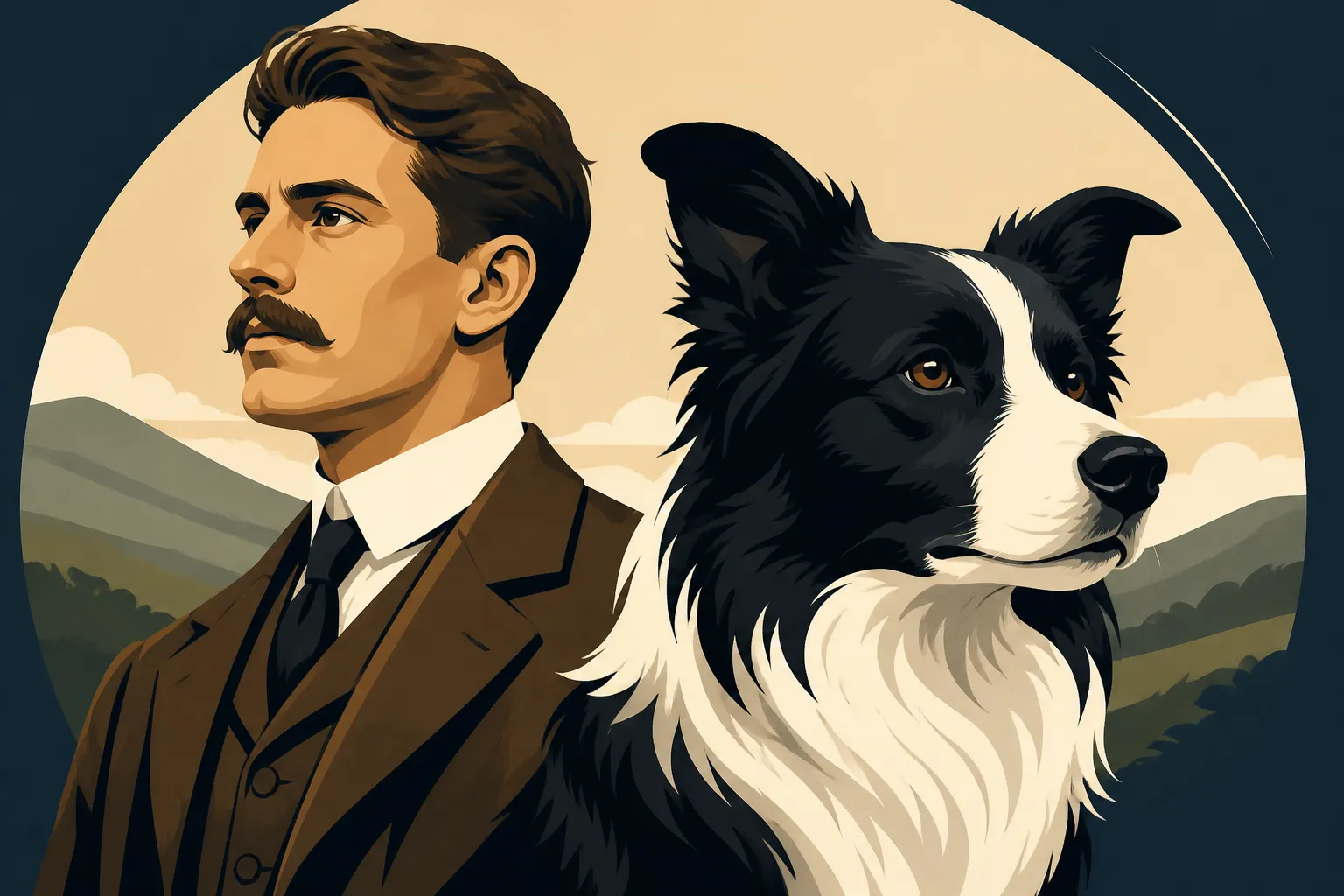
Enter James Reid. He was a Scottish shepherd, an astute observer of dogs, and a man deeply involved in the early days of the ISDS. Reid understood the nuances of working collies better than most, and he keenly felt the frustration of the breed's lack of a specific, descriptive name. He knew that for these dogs to truly flourish and for their unique qualities to be recognized globally, they needed an identity of their own.
From Shepherd to Scribe: Who Was James Reid?
James Reid wasn't just any shepherd; he was an influential figure within the burgeoning sheepdog trial community. He lived and worked in the very heartland of these exceptional dogs, intimately familiar with their working style and lineage. His experience gave him unparalleled insight into what made these collies so special. More than that, he had a thoughtful, articulate way of expressing these observations, which made his voice highly respected among his peers.
Reid observed that while many collies existed, there was a specific "type" that excelled at sheepdog trials and was primarily found in the border regions between Scotland and England. He recognized their unique blend of intelligence, intensity, and biddability, traits that distinguished them from other collies that might have been bred more for appearance or less demanding farm tasks. His vision was to give this distinct working type the recognition it deserved.
The Crucial Article of 1915
In 1915, James Reid penned an article in the Scottish Farmer newspaper, a publication widely read by the farming and herding community. In this seminal piece, he proposed a name that would forever change the fate of these dogs: "Border Collie." His argument was clear and compelling. He posited that these exceptional working dogs, whose style and characteristics were so superior, deserved a name that reflected both their geographical origin and their specific purpose.
His article wasn't just a suggestion; it was a well-reasoned argument for establishing a definitive identity for the breed. Reid articulated the differences between the working collies of the border country and other types of collies, drawing a line in the sand that distinguished them. This wasn't merely a semantic exercise; it was an act of preservation, ensuring that the essence of these working dogs would not be diluted or misunderstood.
The "Border" Element: Why the Geographical Modifier Was So Apt
The "Border" in "Border Collie" was not chosen at random. It specifically referenced the Anglo-Scottish border region, the geographical heartland where these particular working dogs had been developed and perfected over centuries. This area, with its challenging terrain and demanding sheep farming, required dogs of exceptional intelligence, stamina, and herding instinct. The harsh realities of shepherd life in the Borders forged a dog unlike any other. You can trace these origins in The Anglo-Scottish Border and the First Collies.
By adding "Border," Reid anchored the name firmly to the dogs' roots, emphasizing their origin and, by extension, the characteristics that made them so proficient. It served as a clear differentiator from other "Collies" found in other parts of Britain. This regional identifier highlighted the unique cultural and practical context in which the breed had evolved, creating a sense of place and purpose for the name. It immediately conjured images of rugged hills, vast flocks, and the tireless dogs that managed them.
The Unfolding Acceptance of "Border Collie"
While James Reid's proposal in 1915 was a pivotal moment, the name "Border Collie" didn't immediately become universally adopted overnight. Like any new idea, it needed time to percolate through the community, to be discussed, debated, and ultimately, embraced. However, the logic behind the name was so sound, and the need for clear identification so pressing, that its acceptance was almost inevitable among those who truly understood and worked with these dogs.
From Proposal to Common Usage
Initially, some people continued to use older, more generic terms. Habits die hard, after all. But the ISDS, recognizing the value of a distinct name for their working dogs, began to informally adopt "Border Collie" in their discussions and literature. As more handlers and breeders embraced the name, it started appearing more frequently in trial results, advertisements, and conversations among the farming community. The consistency provided by the name began to clarify the breed's identity.
Over the next few decades, the name solidified its place, especially within the working dog world. It provided a clear, concise way to refer to these specific collies, making it easier for people to communicate about breeding lines, working styles, and the unique characteristics that defined them. Before long, if you talked about a "Border Collie," everyone knew exactly what type of dog you meant – a dog of unparalleled working ability. This facilitated discussions on everything from The ISDS Number Old Hemp Was Given to understanding pedigrees.
The Legacy of the Name
The adoption of "Border Collie" was more than just assigning a label; it was about defining an identity. It allowed the working sheepdog community to proudly claim their dogs as a distinct breed, separate from the show-bred collies that were gaining popularity in the conformation rings. This distinction became crucial for preserving the working traits that truly defined the Border Collie. The name became a badge of honor, signifying intelligence, drive, and an exceptional partnership with a handler.
This clarity helped to solidify the breed's image internationally as well. When people spoke of a "Border Collie," they immediately thought of a highly intelligent, energetic, and trainable working dog. This global recognition owes a great deal to Reid's clear articulation and the community's eventual embrace of the name. Whether you're looking for historical books on the breed or modern training guides, resources like Chewy often feature "Border Collie" prominently, showcasing its established status.
The Name's Impact on the Breed's Future
The seemingly simple act of giving a name had profound, far-reaching consequences for the Border Collie. It wasn't just about distinguishing one type of dog from another; it was about preserving a legacy, safeguarding specific traits, and shaping the future direction of the breed for generations to come. Without a clear identity, the working Border Collie might have faced a very different, and potentially less secure, future.
Distinguishing Working Lines
Perhaps one of the most critical impacts of the "Border Collie" name was its role in clearly distinguishing the working lines from the emerging show lines. As dog shows gained popularity, many "collies" were being bred for appearance, rather than herding ability. This led to a divergence in traits, with show collies often becoming larger, heavier-coated, and possessing less of the intense herding instinct that defined their working counterparts. The ISDS and working breeders fought hard to maintain the integrity of the working dog.
The name "Border Collie" served as a constant reminder that these dogs were primarily bred for work. It reinforced the breed's core purpose and provided a clear rallying point for those dedicated to preserving its functional intelligence and drive. This distinction became especially important when other kennel clubs, such as the American Kennel Club (AKC), began to consider recognizing the Border Collie, leading to significant debate within the working community. You can explore this further in Why Working Breeders Fought AKC Recognition. The name helped draw a clear line in the sand, emphasizing that the "Border Collie" was, first and foremost, a working animal.
Global Recognition and the Brand
Having a distinct, recognized name allowed the Border Collie to establish its own identity on a global stage. No longer just a generic "collie," it became a breed known worldwide for its extraordinary intelligence, athleticism, and trainability. This clear nomenclature facilitated international trade, allowed for consistent registration practices, and helped spread the breed's fame far beyond the Anglo-Scottish border.
From competitive sheepdog trials to agility courses and even search and rescue operations, the "Border Collie" name became synonymous with excellence in canine performance. This strong "brand identity" helped the breed to thrive and cemented its reputation as one of the most intelligent and versatile dog breeds in the world. When people discuss What Separates a Border Collie From Every Other Herder, the name itself now carries decades of recognition and proven ability. Finding the right tools and food for such a high-performing breed is easy when stores like Chewy can categorize products specifically for "Border Collies," reflecting this global recognition.
The Continuing Evolution of a Name and a Breed
The story of the Border Collie's name didn't end in 1915; it was just the beginning. The name itself continues to evolve in how it is used and perceived, reflecting the breed's journey through history and its adaptation to modern roles. While its core identity remains rooted in its working heritage, the Border Collie has also found its way into countless homes as a beloved companion, sport dog, and even therapy animal. This ongoing evolution is part of what makes the breed so captivating.
The Border Collie in Modern Society
Today, the term "Border Collie" is recognized by almost everyone, from seasoned shepherds to urban pet owners. Its association with intelligence and intense drive is almost universally understood. This widespread recognition ensures that the breed's distinct characteristics are widely known, helping prospective owners understand the unique demands and rewards of sharing their lives with one of these incredible dogs.
However, the name also carries the responsibility of accurately representing the breed. It reminds us that while a Border Collie can excel in many roles, its fundamental nature is that of a working dog, requiring significant mental and physical engagement. Whether you're sourcing specialized training equipment or looking for the perfect durable toy, understanding the "Border Collie" designation helps guide decisions, perhaps through browsing a wide selection on Chewy.
The Power of a Name: Looking Back and Forward
James Reid's insight in 1915 was a stroke of genius. By giving the working collies of the border country their own distinct name, he not only resolved a long-standing identity crisis but also laid the groundwork for the breed's global recognition and continued preservation. The name "Border Collie" isn't just a label; it's a testament to a rich history, a unique set of skills, and an enduring partnership between humans and dogs. It’s a powerful reminder of how important identity is, not just for people, but for the animals we cherish.
The clarity provided by this name continues to serve the breed well, ensuring that the incredible legacy of dogs like Old Hemp lives on in the minds and hearts of enthusiasts worldwide. From the rolling hills of the Anglo-Scottish border to agility arenas and family homes across continents, the name "Border Collie" stands as a symbol of canine excellence, intelligence, and unwavering dedication.
| Year | Key Event | Significance for Naming |
|---|---|---|
| 1873 | First official sheepdog trial | Highlighted different working styles, increasing need for distinction. |
| 1893 | Old Hemp born | Established a dominant working type, creating a distinct "collie" population. |
| 1906 | ISDS founded | Formalized registration, but initial names were generic "Collie." |
| 1915 | James Reid's article | Officially proposed and argued for the name "Border Collie." |
| Post-1915 | Gradual acceptance | Name became common usage, especially in working circles, cementing breed identity. |
Disclaimer
This article is for general informational purposes only and does not constitute professional advice. Laws, prices and regulations vary by location and change over time. Consult a qualified professional for guidance on your specific situation.