Which Dogs the First Border Collies Came From
It's often a common question when we look at our incredible Border Collies: where did they come from? Their intelligence, their drive, their intensity – it all seems so uniquely Border Collie. But like all breeds, they didn't just appear out of thin air. Their lineage is a fascinating tapestry woven from centuries of working dogs, shaped by the harsh landscapes and demanding needs of shepherds, leading to the phenomenal partners we cherish today. This guide will take you on a journey through time, exploring the diverse canine influences that contributed to the making of the first Border Collies.
The Ancient Roots: Shepherd Dogs of the Anglo-Scottish Border
Before the "Border Collie" as we know it existed, there were simply "collie" dogs – a term that, in its earliest usage, simply referred to the working sheepdogs of the British Isles. These weren't specific breeds in the modern sense; rather, they were types of dogs bred for a singular purpose: to gather and control sheep. Imagine the rugged, windswept hills and valleys of the Anglo-Scottish border region, a land where sheep farming was, and still is, a way of life. Shepherds here relied entirely on their dogs, making astute breeding choices based purely on working ability.
The Original "Collies" and Their Purpose
These early collies were selected for their innate herding instinct, their intelligence, and their stamina. They weren't bred for a particular look or color, but for their prowess in the field. A dog that could bring a flock down from the fells in a raging blizzard, or calmly separate a ewe and lamb from a larger group, was a dog worth breeding. What united these diverse-looking canines was their shared role as guardians and gatherers of livestock. When we talk about What Collie Meant Before the Border Collie, we're talking about a broad category of dogs vital to agricultural communities across Britain.
Life for these dogs was demanding, a constant test of physical endurance and mental acuity. They needed to be able to work independently, making decisions on the fly when out of sight of their shepherd, yet remain utterly biddable to commands. This intense selection pressure for working traits laid the foundation for the extraordinary capabilities we see in Border Collies today. They weren't pets in our modern understanding; they were indispensable colleagues, earning their keep every single day.
The Demands of the Border Country Shepherds
The specific landscape of the Anglo-Scottish border, with its steep hillsides, deep valleys, and often unpredictable weather, demanded a particular kind of dog. Shepherds needed dogs that could cover vast distances, handle difficult terrain, and possess a natural "eye"—that intense, focused gaze that allows them to control sheep with minimal physical force. These dogs had to be tough, resilient, and utterly dedicated to their task. The term "Border Collie" itself only came into common usage much later, but the dogs performing these duties were the direct ancestors. You can learn more about The Border Country That Produced the Border Collie and the unique challenges it presented.
Shepherds in this region would select their breeding stock based on proven working lineage, often knowing the capabilities of a dog's parents, grandparents, and even further back, solely by their performance on the flock. This emphasis on working ability over aesthetics meant that the gene pool remained robust, constantly refined by the ultimate test: actual work on sheep. It's a testament to these early breeders that the drive for which Border Collies are renowned has been so powerfully ingrained.
Early Influences: From Viking Spits to Roman Herders
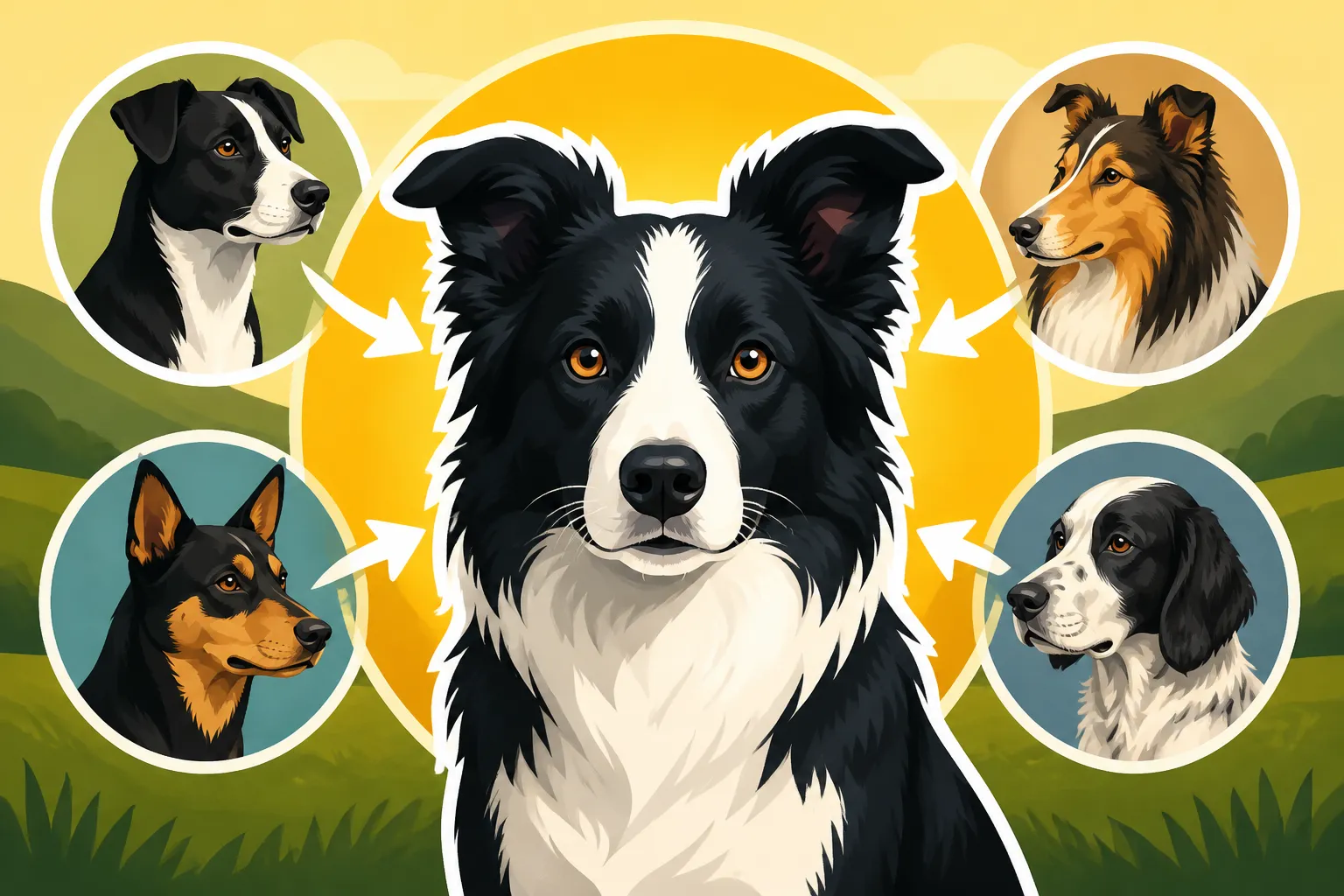
While the direct lineage traces to the collies of the Anglo-Scottish border, the ultimate origins of these dogs are undoubtedly a mix of various ancient canine populations brought to the British Isles by different settlers and invaders throughout history. These early influences contributed to the genetic melting pot from which the specialized herding dogs eventually emerged.
Tracing Back to Ancient European Herders
It's widely accepted that the earliest herding dogs in Britain likely arrived with the Celts and later, the Romans. These dogs would have been general-purpose livestock dogs, used for both guarding and moving animals. They weren't the refined herders we know today, but rather sturdy, versatile canines adapted to agrarian life. Over centuries, natural selection and rudimentary breeding practices would have favored those dogs most adept at managing sheep and cattle, slowly shaping their instincts and physical traits. Considering Which Dogs the First Border Collies Came From truly requires looking at these foundational canine populations.
The specific "type" of dog that developed into the collie was likely a mesocephalic (medium-skulled) dog, agile and intelligent, able to withstand the elements. These dogs would have been crucial for survival in societies where livestock represented wealth and sustenance. While no direct breed lines can be drawn to these ancient times, their genetic legacy is undoubtedly present in the foundational stock of British sheepdogs.
The Norse and Viking Contributions
Another significant influence often cited is the arrival of the Norsemen and Vikings. These seafaring people brought their own dogs, which likely included spitz-type breeds from their colder homelands. These spitz dogs, known for their thick coats, curled tails, and independent nature, could have interbred with the existing herding dogs in Britain. While the spitz influence might seem counterintuitive to the 'creeping' style of the Border Collie, their hardiness and intelligence would have added valuable traits to the gene pool.
This intermingling of genetic lines over centuries created a diverse group of working dogs. Each new wave of settlement introduced different canine characteristics, which, through subsequent generations of selection for working ability, coalesced into the local types of collies. It's important to remember that this process was gradual and organic, driven by practical necessity rather than any formal breeding program. For centuries, dogs were just dogs, doing a job, and what we now might call a "breed" was simply a local variant of a working type.
| Ancestral Influence | Likely Contribution | Key Traits Enhanced |
|---|---|---|
| Roman Dogs | General herding, guarding | Sturdiness, loyalty |
| Celtic Dogs | Versatile farm work | Agility, intelligence |
| Norse/Viking Dogs | Hardiness, weather resistance | Endurance, dense coat (for rough collies) |
| Native British Dogs | Adaptability to local terrain | Natural instinct, independence |
The Genesis of the Modern Border Collie: The Impact of Old Hemp
While centuries of natural and human selection laid the groundwork, the modern Border Collie breed, with its distinct working style and subsequent recognition, can largely be traced to a single, extraordinary dog: Old Hemp. Born in Northumberland, England, in 1893, Hemp's influence on the breed is simply unparalleled. He was a phenomenon in the sheepdog world, and his unique abilities profoundly shaped what would become the Border Collie standard.
Old Hemp and His Revolutionary Style
Old Hemp was sired by a dog named Adam, a tri-color dog with a strong, dark eye, and out of a black-and-tan bitch named Meg, who was a powerful, keen worker. What made Hemp special was his calm, yet immensely effective, working style. Unlike many of the dogs of his era who worked sheep with a more aggressive, barking approach, Hemp controlled stock with an intense, quiet "eye" and a low-to-the-ground, stalking posture. He didn't rush or bark unnecessarily; he simply controlled the sheep with his presence and intelligent positioning. How Old Hemp Worked Differently From Other Dogs captivated shepherds and judges alike.
His calm demeanor and remarkable efficiency meant that he could manage sheep with an almost hypnotic influence, preventing them from panicking or scattering. This was a significant departure from the wilder, faster dogs that were common at the time. Shepherds quickly recognized the superiority of his method, as it resulted in less stress on the sheep and more effective handling. This quiet intensity became the hallmark of the Border Collie working style.
The Prolific Lineage of Old Hemp
Old Hemp was an incredibly successful sire, producing over 200 registered puppies during his lifetime. His progeny inherited his exceptional working traits, particularly his calm eye and keen intelligence. Because of his dominance in trials and his exceptional puppies, shepherds flocked to breed their bitches to him, ensuring that his genetics spread far and wide through the working sheepdog population. It's often said that Old Hemp and Every Border Collie Alive Today can trace its lineage back to this foundational dog.
His influence was so pervasive that his style of working became the gold standard. Handlers sought dogs that moved and thought like Hemp, further solidifying these traits within the emerging breed. The International Sheep Dog Society (ISDS), founded in 1906, played a crucial role in registering and promoting dogs with proven working ability, many of whom were descendants of Old Hemp. You can even find The ISDS Number Old Hemp Was Given in historical records, underscoring his importance.
Solidifying the Breed: The Role of Trials and Registry
The transition from a general type of working dog to a distinct breed, the "Border Collie," was a gradual process, heavily influenced by the rise of organized sheepdog trials and the establishment of dedicated registries. These events provided a platform for comparison, a means of tracking superior genetics, and eventually, a formal identity for these exceptional dogs.
The Evolution of Sheepdog Trials
While informal competitions had always existed among shepherds, the first official sheepdog trial was held in Bala, Wales, in 1873. These trials were pivotal in showcasing the abilities of different dogs and handlers, and more importantly, in establishing a benchmark for working excellence. Initially, many different types of collies competed, but the quiet, effective style exemplified by dogs like Old Hemp began to consistently win. If you're curious about the early days, check out The 1873 Sheepdog Trial Before the Border Collie.
The growing popularity of trials encouraged systematic breeding for performance. Shepherds would travel significant distances to compete and to find suitable mates for their working dogs, always with an eye toward improving their flock-working efficiency. This competitive environment fostered rapid development in the breed, honing their instincts and responsiveness to a fine art. The best dogs, often descendants of Old Hemp, gained renown, and their bloodlines became highly sought after, much like top athletes today.
The International Sheep Dog Society and Formal Recognition
The formation of the International Sheep Dog Society (ISDS) in 1906 marked a critical turning point. The ISDS was established to preserve and promote the working sheepdog, emphasizing ability over appearance. They created a register for dogs proven to work sheep effectively, and this registry became the primary way to track and validate the lineage of working collies. This move was crucial for establishing the Border Collie as a distinct, recognized breed. Understanding Why the ISDS Was Founded in 1906 helps illustrate the commitment of shepherds to their unique dogs.
It was James Reid, the secretary of the ISDS, who is credited with formally adopting the name "Border Collie" in 1915. He did this to distinguish these specific working collies, originating from the Anglo-Scottish border region, from other collie types, such as the Rough Collie or Smooth Collie, which were increasingly being bred for show rather than work. This naming solidified their identity and acknowledged their geographic origin and working heritage. The ISDS still maintains a strict working registry, ensuring that the core essence of the Border Collie remains tied to its original purpose. While looking for dog supplies at a place like Chewy, you'll find plenty of items that reflect the active, intelligent nature of dogs stemming from this lineage.
The ISDS's focus on working ability, rather than conforming to an arbitrary physical standard, allowed the Border Collie to maintain its incredible instincts and athleticism. This dedication to function above form is why the working Border Collie remains one of the most capable and intelligent dog breeds in the world, a true testament to its ancestral roots and the tireless efforts of generations of shepherds and breeders. And it's why every Border Collie owner, whether they live on a farm or in a suburban home, must understand this heritage to properly care for and engage with their dog. Even finding the right enrichment toys on Chewy can be informed by understanding their deep-seated drive.
Disclaimer
This article is for general informational purposes only and does not constitute professional advice. Laws, prices and regulations vary by location and change over time. Consult a qualified professional for guidance on your specific situation.