What Shepherds on the Border Needed From a Dog
For centuries, shepherds living and working in the rugged, unforgiving landscape along the Anglo-Scottish border faced an immense challenge: managing vast, often wild, flocks of sheep across treacherous terrain. They needed a dog that wasn't just a pet, but an indispensable partner, and this guide will delve into the precise qualities and capabilities these early shepherds absolutely required from their canine companions.
The Challenging Landscape: Why Ordinary Dogs Wouldn't Cut It
Imagine the scene: the windswept hills, the deep glens, the unpredictable weather that could shift from sunshine to driving sleet in minutes. This wasn't a place for a dog that needed constant direction or lacked independent thought. The sheep themselves were often hardy, half-wild creatures, accustomed to roaming freely, not easily gathered by a clumsy or timid canine. A shepherd might be miles from the homestead, with only their dog for company and assistance, overseeing hundreds of sheep spread across acres of land with no fences or obvious boundaries.
In these conditions, a dog's intelligence and initiative weren't luxuries; they were fundamental requirements for survival, both for the dog and the flock. There was no time to wait for explicit commands for every single movement. The dog had to anticipate, to read the sheep, to understand the topography, and to make smart decisions on its own. A dog that simply chased sheep would scatter them further, while one that was easily distracted by wildlife or the elements would be worse than useless. The sheer scale of the task meant that a shepherd couldn't personally retrieve every stray or push every reluctant ewe; they relied entirely on their dog to extend their reach and influence over the flock.
Think about the sheer physical demands too. These dogs weren't just walking alongside a shepherd on a paved path. They were scrambling up rocky inclines, navigating boggy ground, swimming icy streams, and covering immense distances daily. This kind of work required incredible stamina, agility, and a robust constitution. A delicate dog would quickly break down, leaving the shepherd stranded and the flock vulnerable. The weather offered no quarter, meaning the dog needed a coat that could withstand rain, wind, and cold, and a body that could recover quickly from exertion.
Intelligence and Intuition: The Mind a Shepherd Needed
The primary characteristic shepherds sought was an unparalleled intelligence coupled with an innate understanding of livestock. This wasn't about being able to perform party tricks; it was about practical, problem-solving brilliance. A dog needed to comprehend complex instructions, often conveyed by whistles or subtle hand signals from a distance, and then apply those instructions intelligently to a dynamic, unpredictable situation. It had to be able to "read" the sheep – knowing when to apply pressure, when to ease off, and how to anticipate their movements.
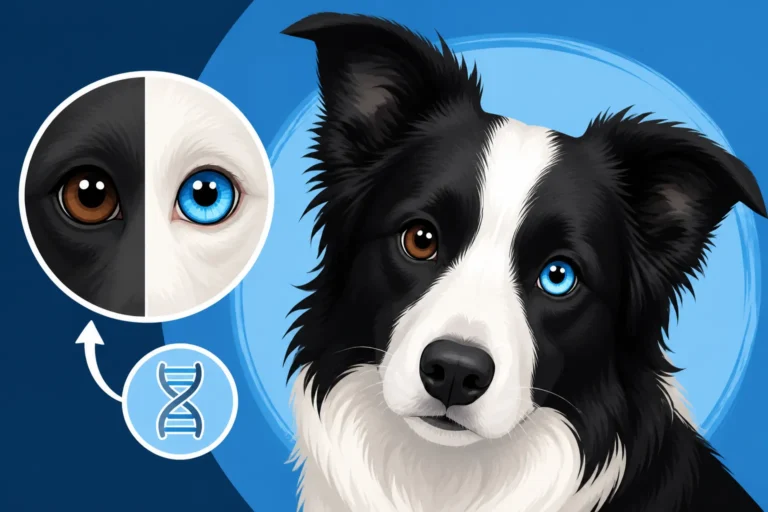
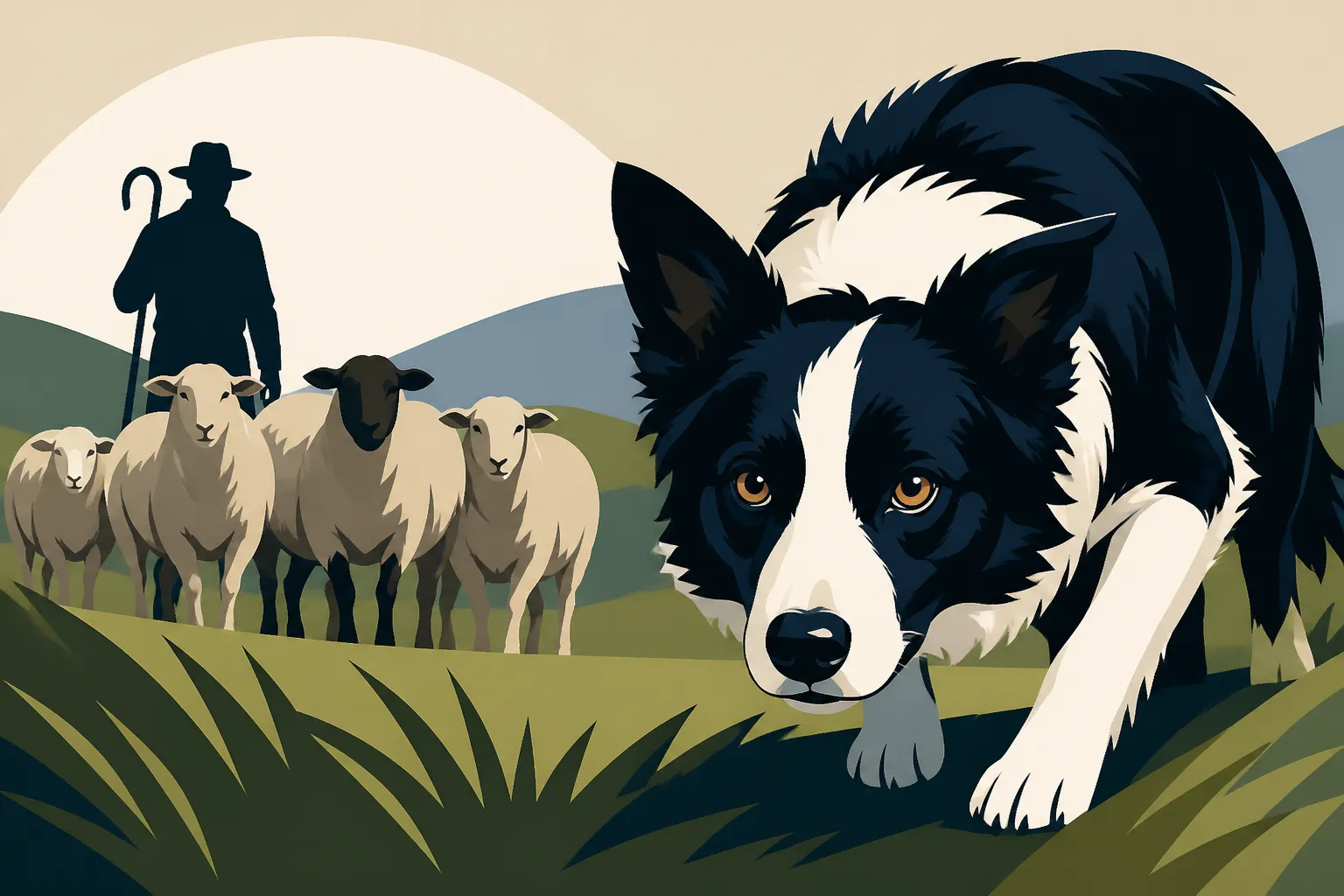
This "sheep sense" meant the dog could instinctively gather a flock, move them gently, or push them firmly, all without causing panic or injury. The famous "Border Collie eye" is a manifestation of this: an intense gaze used to control and influence sheep, allowing the dog to move them with minimal physical intervention. This hypnotic stare could keep a stubborn ewe from breaking rank, or turn a whole group with just a shift in focus. The Eye That Sets a Border Collie Apart speaks volumes about this unique trait. This was invaluable when dealing with animals that could be flighty or resistant.
Beyond raw intelligence, biddability was crucial. A shepherd needed a dog that was eager to please, responsive to training, and deeply committed to its handler. This wasn't a dog that questioned authority or had its own agenda. It lived to work alongside its shepherd, forming a partnership built on trust and mutual understanding. This willingness to cooperate, to learn, and to adapt meant that a young dog could be quickly molded into an effective working animal, absorbing intricate commands and developing its natural instincts under the guidance of an experienced handler. This profound desire to engage with its human partner is something What a Border Collie Reads in a Handler's Body really dives into.
Endurance and Drive: The Physical Demands of the Job
The life of a border shepherd was physically grueling, and their dog had to match it, stride for stride. We're talking about a dog with boundless energy and incredible stamina, capable of working from dawn until dusk, day after day, often with little rest. The ability to cover vast distances at a brisk pace, often over rough terrain, was non-negotiable. A dog that tired easily would be a liability, jeopardizing the flock and the shepherd's livelihood.
These dogs needed a physique built for endurance: lean, athletic, with powerful legs and a deep chest. Their coat, whether rough or smooth, offered protection from the elements, but it was their underlying musculature and cardiovascular fitness that truly enabled their work. They had to be quick to accelerate, agile enough to change direction instantly, and strong enough to stand their ground if a sheep challenged them. This demanding work schedule means these dogs have an enormous capacity for exercise, which is why What New Border Collie Owners Get Wrong About Energy is such an important read for prospective owners.
The sheer "drive" or work ethic was equally vital. These dogs weren't just physically capable; they wanted to work. This innate desire to herd, to manage stock, was a defining characteristic. They found immense satisfaction in their job, often seeming happiest when actively engaged in herding. This isn't just about chasing; it's about control, about moving the flock purposefully. It's this deep-seated instinct that sometimes surprises new owners who aren't prepared for a dog that constantly seeks a "job." Even when not actively working sheep, their minds are often seeking out tasks, puzzles, or opportunities to apply their intelligence and energy.
Here's a quick look at the core traits and why they mattered so much:
| Trait | Why Shepherds Needed It | Impact on the Breed |
|---|---|---|
| High Intelligence | Problem-solving, understanding complex commands, adapting to unpredictable situations. | Makes them highly trainable but also prone to boredom and destructive behavior without mental stimulation. |
| Strong Herding Instinct ("Eye") | Controls sheep with gaze and presence, minimizing physical force and panic. | Leads to the characteristic "Border Collie stare"; can be redirected to toys or people in pet homes. |
| Exceptional Stamina | Covers vast distances over rough terrain, works long hours in all weather conditions. | Requires significant daily physical exercise; not suited for sedentary lifestyles. |
| Biddability/Trainability | Eager to please, responsive to commands, quick to learn intricate patterns and signals. | Excels in dog sports and obedience; thrives on having a "job" and partnership with its handler. |
| Resilience & Toughness | Withstands harsh weather, recovers quickly from physical exertion, handles challenging sheep. | Generally a hardy breed, but requires proper care and nutrition, especially if working. |
The Unspoken Bond: More Than Just a Working Animal
Beyond their formidable skills with sheep, these dogs were also their shepherd's closest companions. Out on the lonely hills, day in and day out, the relationship between shepherd and dog was profound. This meant that while they needed a powerful worker, they also needed a dog that was loyal, trustworthy, and calm enough to be around the homestead and family after a long day. The intelligence and biddability that made them great workers also made them wonderful, albeit demanding, companions.
This deep bond often meant the dogs were incredibly sensitive to their handler's moods and intentions. They picked up on subtle cues, reading their shepherd's body language and even their tone of voice, which further enhanced their working partnership. This connection allowed for seamless communication, almost a telepathic understanding, which is essential when working in situations where vocal commands might be lost to the wind.
The early Border Collies, like many working dogs, were also valued for their versatility. While herding was paramount, they might also have guarded the homestead, alerted to strangers, or simply offered silent companionship during solitary hours. They were integral members of the family unit, even if their primary role was out in the fields. Providing for their nutritional needs was also key; a shepherd couldn't afford a dog that was a picky eater or didn't thrive on a good, hearty diet. This is where modern owners often look to reputable sources like Chewy for high-quality, energy-rich foods suitable for active breeds.
The story of the Border Collie isn't just about a breed; it's about a testament to human-animal partnership forged in the crucible of necessity. The demands of the border country shaped these dogs into the intelligent, driven, and intensely loyal companions we know today, forever echoing the needs of the shepherds who relied on them so completely. This lineage, deeply rooted in working ability, is why understanding Old Hemp and Every Border Collie Alive Today gives us such insight into the breed's origins. While many Border Collies now live as beloved pets or excel in dog sports, that core desire to work, to have a purpose, and to partner with a human remains an intrinsic part of who they are.
Disclaimer
This article is for general informational purposes only and does not constitute professional advice. Laws, prices and regulations vary by location and change over time. Consult a qualified professional for guidance on your specific situation.