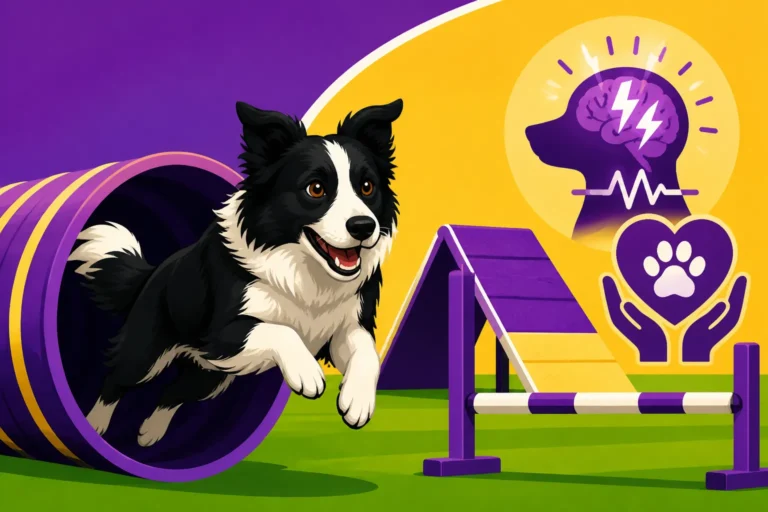
Keeping a Border Collie With BCC in Work
Discovering your highly driven Border Collie has been diagnosed with Border Collie Collapse (BCC) can be absolutely heartbreaking, especially when their entire world revolves around work and activity. It's a cruel twist to have a dog bred for endurance suddenly falter, leaving many owners wondering if their beloved companion's working life is over. This comprehensive guide aims to unpack the realities of managing BCC, offering practical, empathetic advice on how to keep your Border Collie as active and fulfilled as possible, even with this challenging condition.
Understanding Border Collie Collapse and Its Nuances
Border Collie Collapse (BCC) is a perplexing and often frustrating neurological disorder that primarily affects Border Collies and their crosses, though similar conditions can be seen in other breeds. It's not a common ailment, but for those whose dogs are affected, it can be incredibly disruptive and emotionally draining. The most defining characteristic is the episodes of neurologic dysfunction that occur after periods of intense exercise or excitement, not necessarily just physical exertion. These episodes can range in severity and duration, often leaving both dog and handler bewildered and concerned.
What Exactly is Border Collie Collapse?
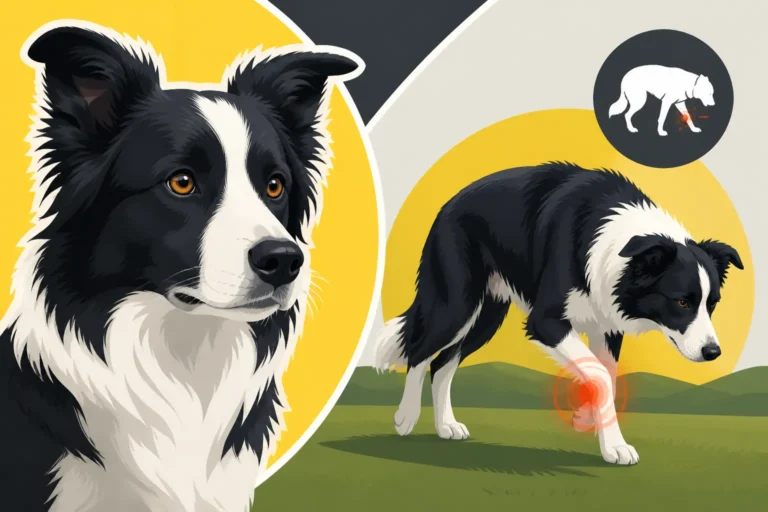
Unlike a simple case of overheating or dehydration, which it's often mistaken for, Border Collie Collapse is a specific genetic neuromuscular disorder. It's believed to be linked to certain genetic markers, though the exact mechanism isn't fully understood, nor is a definitive genetic test widely available for all potential genetic contributors. Dogs with BCC appear perfectly normal at rest and often start their work with incredible enthusiasm and skill. The collapse typically occurs after 5 to 15 minutes of strenuous activity, especially during high-stress or high-excitement situations like competitive trials, intense fetch sessions, or herding livestock. It's crucial to understand that this isn't a sign of weakness or a lack of fitness; in fact, highly fit, well-conditioned Border Collies are often the ones diagnosed, simply because they are pushed harder and longer. When you see your dog suddenly develop The Wobbling Gait a Collapsing Border Collie Shows, it’s a clear indicator that something more is at play than simple fatigue.
Differentiating BCC from Other Conditions
One of the biggest hurdles in diagnosing BCC is ruling out other conditions that present with similar symptoms. Many owners initially suspect heatstroke, hypoglycemia (low blood sugar), or even cardiac issues. However, a key difference with BCC is that affected dogs usually have normal body temperatures, blood glucose levels, and heart rhythms during an episode. They might appear disoriented, struggle with coordination, or even drag their hind legs, but they remain conscious and responsive, albeit sometimes dazed. This is distinct from heatstroke, where a dog might lose consciousness and have a dangerously elevated body temperature. Similarly, while a seizure can look frighteningly similar, a key distinction is that dogs with BCC generally remain aware of their surroundings, whereas a dog having What a Border Collie Seizure Looks Like typically loses consciousness and exhibits uncontrolled muscle contractions. Vets will often perform a thorough workup to exclude these other conditions, which can include blood tests, neurological exams, and even echocardiograms to check heart health. It's a process of elimination, but vital for an accurate diagnosis. Understanding Ruling Out Heat Before Calling It Border Collie Collapse is a good first step for any concerned owner.
Recognizing Triggers and Symptoms of a BCC Episode
The unpredictable nature of Border Collie Collapse is one of its most challenging aspects. An episode can strike when you least expect it, turning a joyous training session or a productive day on the farm into a stressful emergency. Learning to identify the subtle precursors and the full spectrum of symptoms is absolutely critical for managing the condition and ensuring your dog's safety and well-being.
Common Triggers for Collapse Episodes
While every dog is an individual, certain patterns of activity and excitement are frequently cited as triggers for BCC episodes. High-intensity, repetitive activities are often the culprits. Think about those intense, non-stop fetch sessions with a tennis ball, or extended periods of demanding agility work with multiple weaves and jumps. For working dogs, competitive sheepdog trials, especially in warmer weather or under high pressure, are common triggers. The sheer excitement and mental demand of these situations, combined with the physical exertion, seem to tip the balance. Even strong emotional responses, like intense anticipation or stress, can contribute. For instance, Excitement as a Trigger for Border Collie Collapse highlights how even just waiting for their turn in an agility ring can precede an episode.
Common triggers include:
- Prolonged, high-intensity exercise: Especially if sustained without adequate breaks.
- High-excitement situations: Competitive events, intense play with other dogs, or new environments.
- Repetitive tasks: Particularly those involving short bursts of speed and quick changes in direction, like repeated ball retrieving. Repeated Ball Retrieving and Border Collie Collapse delves deeper into this specific trigger.
- Warm weather: While not a heatstroke, warmer ambient temperatures can exacerbate the condition.
- Stress: Environmental or performance-related stress can also play a role.
What a Collapse Episode Looks Like
When an episode strikes, it can be quite alarming to witness. The dog will typically start to show signs of incoordination and weakness, often in their hind limbs first. You might notice a stiff, high-stepping gait, a kind of "wobbling" or staggering, or even a dragging of the rear legs. Their muscles might appear stiff or overly tense, particularly in the hindquarters. Some dogs will tuck their tails and appear anxious or confused. They remain conscious, aware of their surroundings, and can often respond to their handler's voice, though they might appear somewhat disoriented. The eyes might have a glazed or distant look.
A typical BCC episode often follows this progression:
- Initial onset (5-15 minutes into activity): Dog starts to lose coordination, particularly in the rear.
- Progression: Gait becomes more pronouncedly wobbly, hindquarters may sag, legs might cross over. Some dogs may collapse completely.
- Recovery: Once activity stops, dogs usually recover within 5-30 minutes, though some can take longer. How Long a Border Collie Takes to Come Right Again outlines the typical recovery period. They typically return to normal function without residual weakness, although they might seem tired. There’s usually no muscle pain or stiffness post-recovery, which helps differentiate it from a severe muscle strain.
Table: Common BCC Triggers and Potential Modifications
| Trigger Type | Example Scenario | BCC Presentation | Potential Work Modification |
|---|---|---|---|
| High-Intensity | Sprinting, extended fetch, competitive agility | Wobbly gait, hind end weakness, disorientation | Shorter bursts of activity, more frequent rest, lower intensity |
| Repetitive Action | Non-stop ball fetching, weaving in agility | Hind leg dragging, stiffness, collapse | Introduce variety, limit repetitions, use different toys/tasks |
| High Excitement | Trial day, new environment, intense play with other dogs | Anxious expression, glazed eyes, staggering | Desensitization training, calming supplements, controlled exposure |
| Warm Weather | Working sheep mid-day in summer, long hikes | Exaggerated symptoms, quicker onset | Work during cooler parts of day, provide ample shade/water |
| Stress/Pressure | High-stakes trial, unfamiliar handler | Increased anxiety, quicker collapse | Build confidence, reduce pressure, positive reinforcement focused |
Modifying Work and Exercise Routines
The diagnosis of Border Collie Collapse doesn't necessarily mean the end of your dog's active life, but it certainly necessitates a significant re-evaluation of their work and exercise routines. The goal isn't to stop them from being a Border Collie, but to help them channel their incredible drive and intelligence in ways that don't trigger episodes. This often means embracing a more mindful, structured approach to their daily activities.
Adjusting Intensity and Duration of Exercise
This is perhaps the most critical modification. For dogs with BCC, it's not about how much exercise they get in a day overall, but how intensely and for how long they perform it. The key is to avoid the "tipping point" that triggers an episode. This often means shorter bursts of activity interspersed with longer, more frequent rest breaks. Instead of a 30-minute non-stop fetch session, consider 5-10 minutes of fetch, followed by 10-15 minutes of calm cool-down or a different, lower-impact activity, and then another short burst.
For working dogs, this might mean adjusting their schedule on the farm. Instead of continuous gathering for an hour, you might break it into multiple shorter sessions, allowing them to rest in a shaded crate between tasks. It's about respecting their limits, which can be hard when they look and act like they want to keep going. You might find that Why a Border Collie Collapses Five Minutes In helps you understand the specific timing that triggers an episode for your dog. For sport dogs, this could mean reducing the number of runs in a day, opting out of certain high-impact exercises, or focusing more on precision and control rather than sheer speed. It's a journey of observation and adjustment to find what works for your individual dog.
Embracing Lower-Impact and Mental Activities
Since BCC is often triggered by high-impact, high-excitement activities, shifting focus to activities that engage their brilliant minds without over-exerting their bodies is a game-changer. Border Collies thrive on mental stimulation, and there's a vast array of options that can fulfill this need.
Consider integrating more:
- Scent Work/Nose Work: These activities tap into a dog's primary sense, offering immense mental enrichment without requiring strenuous physical output. A simple game of "find it" with treats hidden around the house or yard can be incredibly tiring for a Border Collie. Advanced scent work classes (like those offered by organizations such as the National Association of Canine Scent Work – NACSW) can provide structured, rewarding challenges.
- Obedience and Trick Training: Focusing on new commands, refining existing ones with increased distractions, or teaching complex trick sequences provides excellent mental exercise. This can be done in short, engaging sessions that won't trigger collapse.
- Puzzle Toys and Interactive Feeders: These can turn mealtime into a mental challenge, slowing down eating and engaging their problem-solving skills. Look for durable options from brands like Kong or Nina Ottosson that are designed to withstand enthusiastic Border Collie brains.
- Canine Freestyle/Heelwork to Music: This combines obedience with creative choreography, allowing for controlled movement and deep mental engagement. It’s physically demanding but can be tailored to avoid rapid, repetitive bursts.
- Shorter, structured herding sessions: If your dog is a working Border Collie, you might still engage them in herding, but with strict time limits and more handler control. Focus on specific tasks like driving or fetching for brief periods, then call it a day. Remember Stopping a Border Collie Before an Episode Starts is key to successful management.
The goal is to provide purposeful engagement that fulfills their breed needs for 'work' without pushing them past their physiological limits. Many Border Collies find immense satisfaction in these activities, which can significantly improve their quality of life. Mental Work That Tires a Border Collie Faster offers more ideas on how to fulfill your dog's mental needs.
Supportive Care and Management Strategies
Living with a Border Collie affected by BCC isn't just about managing their exercise; it's also about a holistic approach to their overall well-being. This includes everything from their diet and hydration to creating an environment that minimizes stress and provides consistent comfort. A solid management plan goes a long way in ensuring your dog can lead a happy, active life within their new parameters.
Diet, Hydration, and Supplements
While there's no magic bullet diet that cures BCC, optimizing your dog's nutrition and ensuring proper hydration are fundamental to supporting their overall health. A high-quality, balanced diet that provides sustained energy without causing blood sugar spikes is ideal. Some owners explore diets with a higher fat content, believing it may offer a more consistent energy source for their working dogs, but any significant dietary changes should always be discussed with your veterinarian.
Hydration is paramount, especially for active dogs. Always provide fresh, readily available water, and consider bringing water with you on walks or during any activity. In warmer weather, or after any exertion, offer frequent water breaks. Some handlers use electrolyte supplements, particularly after an intense session, to replenish lost minerals, but again, this should be done under veterinary guidance.
Supplements, such as L-carnitine or CoQ10, are sometimes suggested for their potential role in muscle metabolism and energy production, as some theories link BCC to mitochondrial dysfunction. However, scientific evidence directly supporting their efficacy for BCC specifically is limited. Always consult your vet before introducing any supplements to ensure they are appropriate and won't interact negatively with your dog's system. For example, if you're exploring Feeding a Border Collie on a Performance Diet, discuss this with your vet to make sure it aligns with managing BCC.
Creating a Calm and Predictable Environment
For many Border Collies with BCC, excitement and stress can be as potent a trigger as physical exertion. Therefore, cultivating a calm, predictable home environment can significantly reduce the frequency and severity of episodes. This means:
- Routine: Dogs thrive on routine. Consistent feeding times, potty breaks, and exercise schedules can reduce anxiety.
- Minimizing stressors: Identify what stresses your dog (e.g., loud noises, new people, busy environments) and try to mitigate exposure or desensitize them gradually. For a Border Collie, even something as seemingly innocuous as a vacuum cleaner or a new person entering the home can elevate their arousal levels.
- Designated quiet spaces: Ensure your dog has a safe, comfortable spot where they can retreat and relax, like a crate covered with a blanket or a quiet room. This is their "off-switch" zone.
- Positive reinforcement training: Continuously build confidence through positive, reward-based training. A confident dog is generally a less anxious dog.
- Enrichment that calms: Instead of high-arousal toys, focus on chewing, licking, and sniffing activities that are naturally calming. Long-lasting chews or snuffle mats can be excellent for this.
A predictable environment helps your Border Collie feel secure, reducing the underlying anxiety that can contribute to BCC episodes.
The Emotional Toll on Handlers and Maintaining Quality of Life
Living with a dog diagnosed with Border Collie Collapse isn't just a physical challenge for the dog; it's often an immense emotional journey for their human companion. These dogs are typically the epitome of vitality and drive, and watching them struggle can be heartbreaking. It’s natural to feel frustrated, sad, or even guilty, but understanding these emotions and proactively working to maintain your dog’s quality of life can make all the difference.
Coping with the Frustration and Guilt
The diagnosis of BCC can bring a wave of complex emotions. You might feel frustration because your dog, who lives to work, can no longer perform at the level they once did. There can be guilt, especially if you initially pushed them hard, unaware of the underlying condition. You might worry about their future, about whether they’re truly happy, or if you’re doing enough to manage their condition. It’s important to acknowledge these feelings. You’re not alone; many Border Collie owners face similar struggles.
Seek support from online communities or local breed clubs where others might have experience with BCC. Sharing your experiences and learning from others can be incredibly validating. Remember that you are doing your best with the knowledge you have now, and your dog still cherishes their bond with you above all else. This condition is not your fault, and finding ways to still engage and love your dog fully, even with modified expectations, is the most important thing. It's a journey, and there will be good days and bad days. Knowing about What a Border Collie Collapse Episode Looks Like can help you prepare for and understand the nature of the condition, which can alleviate some anxiety.
Redefining "Work" and Finding Joy
For a Border Collie, "work" isn't just about sheep or agility; it's about purpose, engagement, and mental stimulation. With BCC, you’ll need to redefine what "work" looks like for your dog. This often means shifting from high-octane physical challenges to more cerebral and controlled activities. The good news is that Border Collies are incredibly adaptable and intelligent, and they can find immense satisfaction in a wide variety of tasks.
Consider:
- Training for titles in non-impact sports: Explore options like advanced obedience, rally, trick dog titles, or even competitive scent work. These pursuits offer structured challenges and a sense of accomplishment without the high physical demands that trigger BCC.
- Therapy dog work: If your dog has a calm temperament and loves people, therapy work can be incredibly rewarding for them and deeply fulfilling for you. It provides a "job" that is low-impact and centered around connection.
- Enrichment at home: Simple games of hide-and-seek, teaching them to "help" with chores (like carrying lightweight items), or extensive puzzle-solving can provide meaningful daily engagement.
- Controlled, short bursts of their favorite activity: If they adore fetch, allow very short, supervised sessions, stopping well before any signs of fatigue or collapse. The key is quality over quantity, and leaving them wanting more.
The aim is to keep them mentally stimulated and physically comfortable, ensuring their zest for life remains strong. Your bond with your Border Collie is the most important component, and finding new ways to connect and enjoy activities together will enhance both your lives. Even if your dog cannot perform traditional work, they can still have a rich, fulfilling life, often well into their senior years, as discussed in The Border Collie That Stays Sound Into Its Teens.
Consulting with Veterinary and Specialist Professionals
Navigating Border Collie Collapse effectively requires a strong partnership with veterinary professionals. This isn't a condition you should tackle alone; their expertise is invaluable for diagnosis, management, and ongoing care. A multidisciplinary approach, involving your primary vet and potentially specialists, offers the best chance for a successful outcome.
Working with Your Primary Veterinarian
Your family veterinarian is your first and most important ally. They will be crucial in ruling out other conditions that mimic BCC symptoms. This diagnostic process can be lengthy and involve various tests, including blood work, cardiac evaluations, and neurological examinations. Be prepared to provide detailed accounts of your dog's episodes: when they occur, what activities precede them, how long they last, and the recovery process. Keeping a log of these events can be incredibly helpful for your vet.
Once BCC is suspected or diagnosed, your vet will help you develop an individualized management plan. This plan will likely focus on activity modification, environmental enrichment, and potentially dietary adjustments. They can also advise on any supportive supplements or medications that might be considered, though specific drug treatments for BCC are not currently available. It’s important to establish clear communication with your vet and feel comfortable asking all your questions. They are there to support you and your dog. Also, remember to discuss any potential impact on your pet insurance. Brands like Healthy Paws are known for their comprehensive coverage, but understanding what Whether Any Insurer Pays for Border Collie Collapse means for your specific policy is vital.
When to Seek Specialist Advice
While your general practitioner can handle much of the day-to-day management, there are times when consulting specialists can provide deeper insights and more advanced strategies.
- Veterinary Neurologist: Since BCC is a neurological disorder, a specialist in veterinary neurology can offer the most in-depth understanding of the condition. They can help confirm the diagnosis, differentiate it from other complex neurological issues (like certain types of Epilepsy in a Border Collie Between One and Five), and provide cutting-edge advice on managing symptoms and triggers. They might also be aware of ongoing research or clinical trials that could benefit your dog.
- Sports Medicine Veterinarian: If your Border Collie is a working dog or involved in dog sports, a sports medicine specialist can be invaluable. They focus on canine athletes and understand the biomechanics and specific demands of various activities. They can help you design a safe, tailored exercise program that maximizes your dog's athletic potential while minimizing the risk of BCC episodes and other Sport Injuries a Border Collie Picks Up. They might also recommend specific conditioning exercises or therapies to support muscle health.
- Certified Professional Dog Trainer or Behaviorist: While not medical professionals, trainers and behaviorists who understand high-drive breeds and have experience with activity modification can be incredibly helpful. They can assist in developing alternative enrichment activities, teaching new low-impact skills, and managing excitement levels, especially if The Border Collie That Will Not Break Its Stare is a challenge for your dog. Look for those with certifications and experience in scent work, advanced obedience, or canine conditioning.
Open communication between all members of your dog's care team is essential for a cohesive and effective management strategy. Don't hesitate to ask your primary vet for referrals to specialists if you feel your dog's condition warrants further expert input. Many pet insurance providers, including Healthy Paws, offer coverage for specialist visits, which can be a huge relief for owners facing complex health challenges.
Disclaimer
The information provided in this article is for general informational purposes only and is not intended as a substitute for professional veterinary advice, diagnosis, or treatment. Always seek the advice of your veterinarian or other qualified animal health provider with any questions you may have regarding a medical condition or the health and welfare of your pet.