The Border Collie Expression a Judge Looks For
When you watch a Border Collie at a trial or even just observe one intently focused on a task, there's an undeniable look they give – a deep, intelligent, almost piercing gaze. This isn't just a pretty face; it's a hallmark of the breed, a critical component of their working ability, and something judges pay close attention to in the show ring. This guide will walk you through what exactly that "Border Collie expression" means and what judges are looking for when they evaluate these remarkable dogs.
More Than Just a Pretty Face: Understanding the Border Collie's "Expression"
The term "expression" in dog judging encompasses far more than just the shape of the eyes. It's the overall look of the head, face, and even the dog's demeanor that conveys its character, intelligence, and readiness. For a Border Collie, this expression is intrinsically linked to its historical purpose as a supreme sheepdog. It's about displaying an active mind and a keen desire to work, even when standing still.
Think about it: a Border Collie out in the field isn't just running around. It's constantly assessing, planning, and communicating with its handler, often over vast distances. That intense mental engagement has to show on its face. It's a blend of intelligence, alertness, and a focused intensity that speaks volumes about the dog's capabilities.
The Intense "Border Collie Eye"
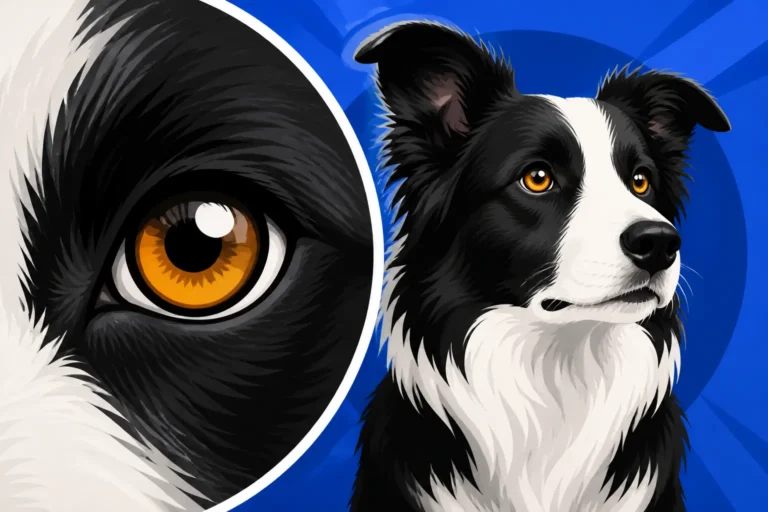
When people talk about the "Border Collie eye," they're not just referring to the color or shape of the eyeball. This is about the dog's gaze, the way it uses its eyes to control and communicate with stock. In a judging context, it translates to an appearance of unwavering concentration, intelligence, and an almost hypnotic quality. The eyes should be set well apart, of moderate size, and typically dark brown, though blue or flecked eyes can occur, especially in merle patterns.
A judge wants to see a keen, intelligent, and alert expression. The eyes shouldn't appear sunken or bulging, nor should they be too light or staring blankly. It’s that deep, knowing look that suggests the dog is always thinking, always ready to spring into action. This "eye" is a critical part of how a Border Collie governs sheep, and seeing it reflected in their everyday gaze is paramount. For a comprehensive look at this trait, you might want to read What a Choroidal Defect Means in a Border Collie, although that article focuses on health, the underlying structure contributes to the eye's appearance.
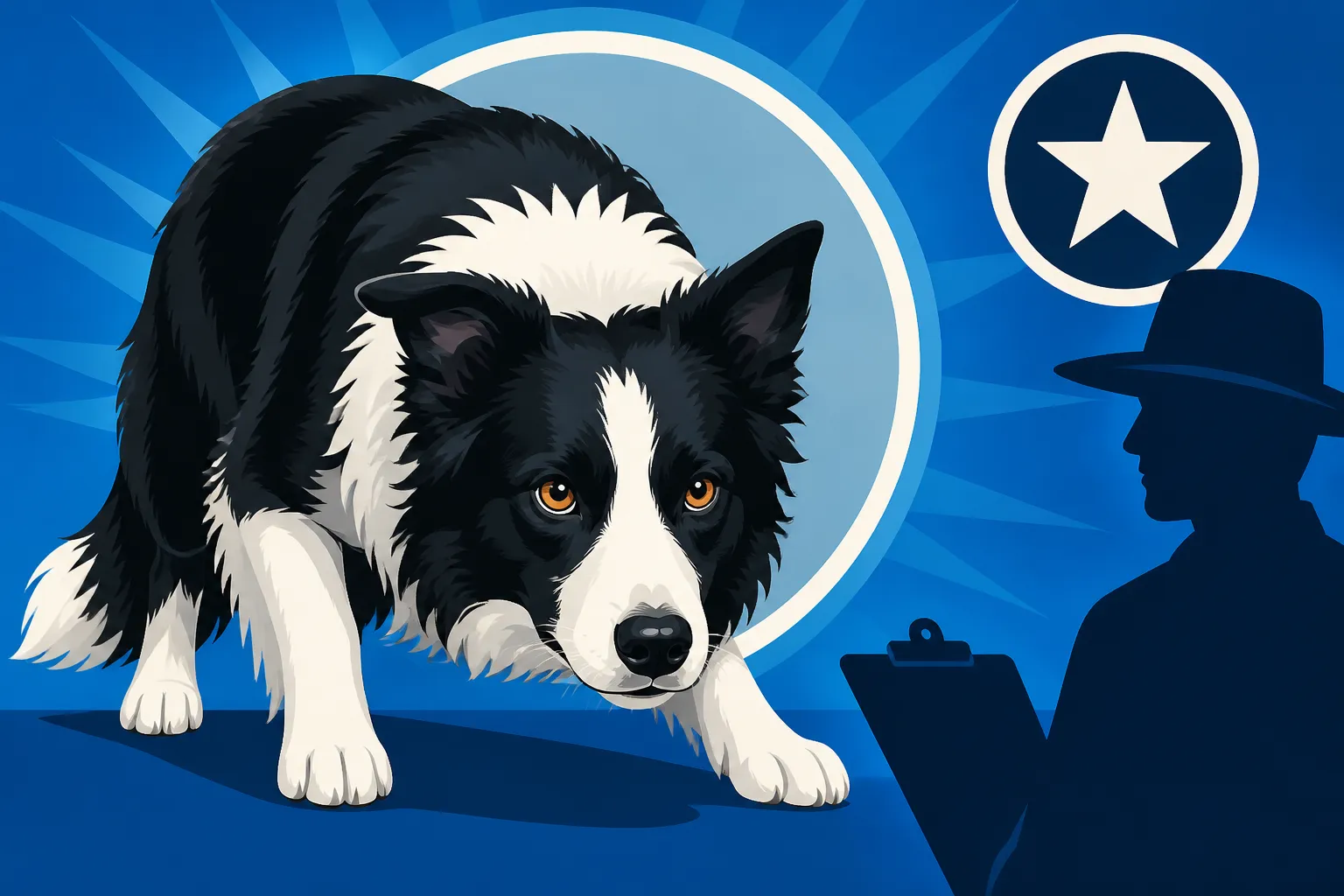
This intense gaze is often accompanied by a slight lowering of the head and an almost stalking posture, even when the dog is simply watching its handler. It’s an inherited trait, honed over centuries, that allows the dog to exert its will over the flock without physical force. When a judge observes a Border Collie, they're looking for that spark, that inherent quality that screams "working dog." It’s a very active expression, not a passive one, suggesting immediate responsiveness and a strong connection to its handler.
The Role of Ears in Conveying Alertness
While the eyes get a lot of attention, a Border Collie's ears play an enormous role in conveying its overall expression and alertness. They are incredibly mobile, often reacting to the slightest sound or movement, twitching and swiveling to catch every nuance in their environment. Judges look for ears that are medium-sized and set well apart, ideally carried either erect, semi-erect (half-prick), or dropped. What's most important, however, is their expressiveness.
A dog with ears that are stiff, perpetually flattened, or completely inert will lack that keen, intelligent look. The ideal Border Collie will use its ears to communicate its focus and attention. When alert, those ears should prick up or forward, indicating engagement. When relaxed, they might fall back or lie flat, but they should always be ready to snap to attention. This constant, subtle movement adds to the dog's dynamic expression, signifying an active mind.
The positioning of the ears can also tell you a lot about the dog's temperament in the ring. Ears pinned flat against the head could indicate fear or submission, while ears that are constantly twitching nervously might suggest an overly anxious dog. A judge wants to see a confident, attentive dog, and the ears are a key indicator of this mental state. The flexibility and responsiveness of the ears perfectly complement the intense gaze, painting a picture of a dog that is fully present and engaged, a true partner in work. You can learn more about this specific trait in The Half-Pricked Ear a Border Collie Carries.
Beyond the Eye: Overall Demeanor and Body Language
Beyond the immediate facial features, a Border Collie’s entire demeanor and body language contribute significantly to its overall expression in the ring. A judge isn't just looking at the head in isolation; they're evaluating the whole package, seeking a cohesive representation of the breed's characteristics. This includes how the dog stands, moves, and interacts with its handler, all of which paint a picture of its working heritage and temperament.
An ideal Border Collie expression isn't just about looking smart; it’s about conveying an innate eagerness and desire to work, coupled with a calm confidence. This blend of attributes is what truly defines the breed's unique presence. A dog that is too rambunctious or, conversely, too withdrawn, will miss the mark, regardless of its physical beauty.
The Border Collie's Stance and Presence
The way a Border Collie carries itself – its stance and overall presence – is incredibly telling. A judge looks for a dog that stands balanced and poised, radiating an aura of readiness. This isn't a rigid, stiff posture, but rather one that suggests coiled energy, capable of explosive movement at a moment's notice. The body should appear well-muscled and agile, reflecting its athleticism. For details on their physical build, check out The Athletic Build a Border Collie Standard Describes.
When being presented, the dog should appear confident and engaged with its handler, not distracted or nervous. An eager, slightly forward lean, with a tail carried low but not tucked, often indicates that desirable focus. This "presence" is a direct reflection of the breed’s heritage; a working dog needs to command respect and display self-assurance to control livestock effectively. Any sign of shyness, cowering, or excessive bouncing around would detract from this ideal.
Conversely, a dog that appears overly timid or fearful will lack the commanding presence inherent to the breed. A judge needs to see a dog that is comfortable in its own skin, confident in its surroundings, and inherently ready to respond. This quiet confidence, combined with an alert intensity, is a hallmark of the Border Collie's expression. It's the subtle yet powerful way they convey their intelligence and readiness without uttering a sound.
How Temperament Influences Expression in the Ring
Temperament is inextricably linked to expression. A physically perfect Border Collie with a poor temperament will never achieve the ideal expression a judge seeks. The breed standard emphasizes a keen, alert, and intelligent temperament, free from nervousness or aggression. In the show ring, this translates to a dog that is self-possessed, attentive to its handler, and comfortable with its surroundings.
Judges are looking for a dog that is approachable and confident, neither overly shy nor aggressive. A fearful dog might show a tucked tail, flattened ears (beyond natural ear set), dilated pupils, or excessive panting and avoidance behavior. An aggressive dog might snarl, growl, or posture negatively. Neither of these temperamental extremes will create the desired "expression" of a balanced, intelligent working dog.
The ideal Border Collie presents with an air of calm capability. It's focused on its handler, but aware of the environment, displaying a willingness to engage without being manic or neurotic. This mental stability is crucial; a dog that is constantly distracted or stressed cannot convey the focused intelligence that is so central to the breed's identity. Many of the tools and supplements you might find on Chewy to support overall well-being, from calming aids to enrichment toys, contribute to a mentally stable dog, which in turn helps foster that ideal expression.
Subtle Nuances: What Judges Watch For Up Close
While the overall impression is vital, judges also scrutinize the finer details of the Border Collie's head and face to assess expression. These subtle nuances can make all the difference in distinguishing a good expression from an outstanding one. It’s about how all the individual components of the face come together to create that distinctive look of intelligence and keenness. These aren't just arbitrary aesthetic points; they tie back to the functionality of the breed.
Every detail, from the width of the skull to the tightness of the lips, contributes to the overall picture. These elements should harmonize, presenting a dog that is not only beautiful but also unmistakably a Border Collie, bred for purpose and possessing the mental acuity to excel at its job.
Head Shape and Its Contribution to Expression
The Border Collie's head is often described as proportional to the body, with a skull that is broad but not coarse. It should taper moderately to the muzzle. The stop, the indentation between the eyes, should be moderate but distinct. These structural elements provide the framework for the "expression." A head that is too narrow might give a less intelligent or less commanding look, while one that is overly broad or heavy could appear clumsy or less refined.
The length of the muzzle, ideally roughly equal to the length of the skull, also plays a part. A muzzle that is too short or too long can throw off the balance of the face, affecting how the eyes are framed and thus altering the overall expression. A well-proportioned head allows the eyes to be set correctly, giving them that direct, forward-looking quality that judges seek. It’s the canvas upon which the eye and ear movements paint the full picture of expression.
A clean, refined head, free from excessive loose skin or wrinkles (except perhaps a thoughtful furrow in the brow when concentrating), enhances the impression of alertness and intelligence. Any deviation from the balanced proportions can subtly change how the dog's focus is perceived, making it seem less keen or less characteristic of the breed.
Mouth and Facial Muscle Tone
The mouth and the underlying facial muscle tone are another subtle but important factor in a Border Collie's expression. Judges look for lips that are tight and clean, without any looseness or excessive flews. A tight mouth contributes to a keen, alert appearance, indicating focus rather than relaxation or distraction. The jaws should be strong, allowing for an efficient bite, and teeth should meet in a scissor bite.
The overall muscle tone around the muzzle and cheeks should suggest strength and alertness. When a Border Collie is intently focused, you might see subtle tension in these muscles, enhancing the intensity of its gaze. Conversely, a slack mouth or droopy facial muscles can give a dog a less intelligent or less energetic look, detracting from the desired expression of a sharp, capable working dog.
Even something as simple as the dog's mouth being slightly open, perhaps from panting, can change the perception of its expression. While panting is natural, especially during activity or in warmer conditions, a judge will note if it appears excessive or indicative of stress rather than normal physiological response. Ultimately, the mouth and facial muscles should reinforce the image of an alert, eager, and intelligent companion, ready to engage in any task with unwavering focus.
Why "Expression" Matters in a Working Breed Standard
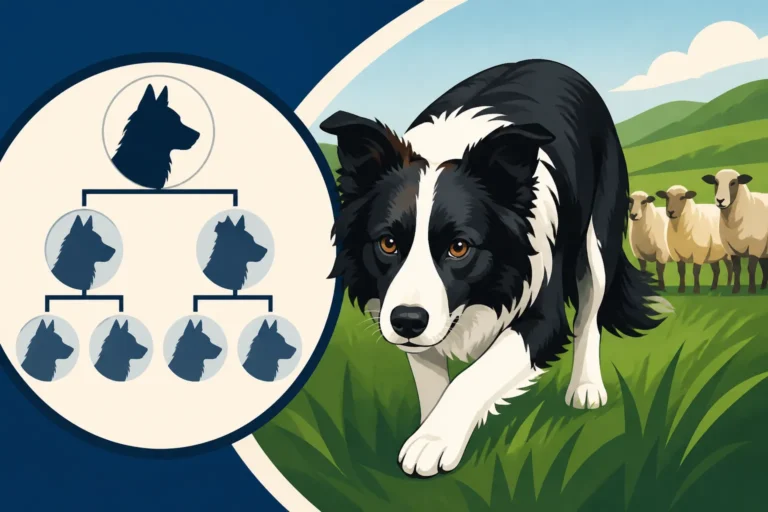
It might seem like a lot of fuss over how a dog looks, but for a working breed like the Border Collie, "expression" is far more than mere aesthetics. It's a window into the dog's very soul, reflecting its intelligence, temperament, and inherent drive – all qualities that are paramount to its ability to perform its historical duties. The breed standard, whether from the ABCA or the AKC, always ties these physical traits back to function.
Understanding this connection helps owners appreciate why judges focus so much on these seemingly minute details. It's about preserving the essence of the breed, ensuring that future generations maintain the characteristics that have made the Border Collie legendary. For more on the registration aspect, consider reading What the ABCA Requires of a Border Collie.
Connecting Form to Function
The Border Collie's expression is a perfect example of form meeting function. That intense "eye" isn't just for show; it's the primary tool through which a Border Collie controls sheep without needing to bark or nip. The alert, mobile ears are crucial for picking up subtle commands from a handler, often at a great distance, and for assessing the environment. Every aspect of the ideal expression speaks to the dog's ability to be an effective, intelligent, and responsive working partner.
Judges are essentially looking for a dog that, even when standing still in a show ring, looks like it could immediately go out and gather sheep with precision and skill. A dull or distracted expression suggests a lack of the inherent drive and intelligence that define the breed. The overall look conveys the deep thinking and problem-solving abilities that are essential for successful herding. Without this crucial connection to its working purpose, the Border Collie would simply be another dog, losing its distinctive qualities.
This deep connection is why the working and show splits in Border Collies can sometimes lead to different emphases, but at their core, both seek to recognize the fundamental traits. Even in conformation, the goal is to award dogs that embody the breed's ancestral purpose. This is a topic explored further in The Working and Show Split in Border Collies. Therefore, a strong, characteristic expression is a non-negotiable trait, serving as a constant reminder of the breed’s unique origins and ongoing capabilities.
Practical Tips for Exhibitors and Enthusiasts
For those preparing a Border Collie for the show ring, or even just wanting to bring out the best in their companion, understanding expression is key. Firstly, ensure your dog is well-socialized and confident. A nervous dog will struggle to display that keen, alert expression. Regular, positive training helps build this confidence, teaching them to be comfortable in various environments.
Secondly, health and fitness play a huge role. A healthy, well-conditioned Border Collie will naturally look more alert and vibrant. A balanced diet, appropriate exercise, and regular veterinary care are foundational. Consider a high-quality food available at retailers like Chewy that supports their energy levels and coat health. A shiny coat and bright eyes are indicators of good health, which enhances expression. Grooming is also important; keeping the face clean, trimming stray hairs around the eyes, and ensuring ears are free of debris can highlight their natural features.
Finally, practice makes perfect. Spend time posing your Border Collie, encouraging them to focus on you with treats or a favorite toy. Use their natural intelligence to your advantage, teaching them to hold attention. The goal is not to create an artificial look, but to encourage and showcase the inherent qualities that make the Border Collie’s expression so remarkable. That quiet moment of intense focus, perhaps brought on by a squeaky toy or a tempting treat from Chewy, is exactly what a judge wants to see.
| Feature | Ideal Border Collie Expression | Less Desirable Expression |
|---|---|---|
| Eyes | Keen, intelligent, alert, dark, moderate size, well-set. | Dull, staring, sunken, bulging, overly light, distracted. |
| Ears | Mobile, expressive, medium size, half-prick/erect, responsive. | Stiff, inert, permanently flattened, overly large, overly small. |
| Head Shape | Proportional, broad skull, moderate stop, muzzle equal to skull. | Coarse, narrow, no stop, disproportional muzzle. |
| Facial Tone | Tight lips, alert muscle tone, clean profile. | Slack lips, droopy, excessive flews, nervous tension. |
| Overall Demeanor | Confident, poised, eager, attentive to handler, calm capability. | Shy, timid, aggressive, overly distracted, restless, hyper. |
Disclaimer
This article is for general informational purposes only and does not constitute professional advice. Laws, prices and regulations vary by location and change over time. Consult a qualified professional for guidance on your specific situation.