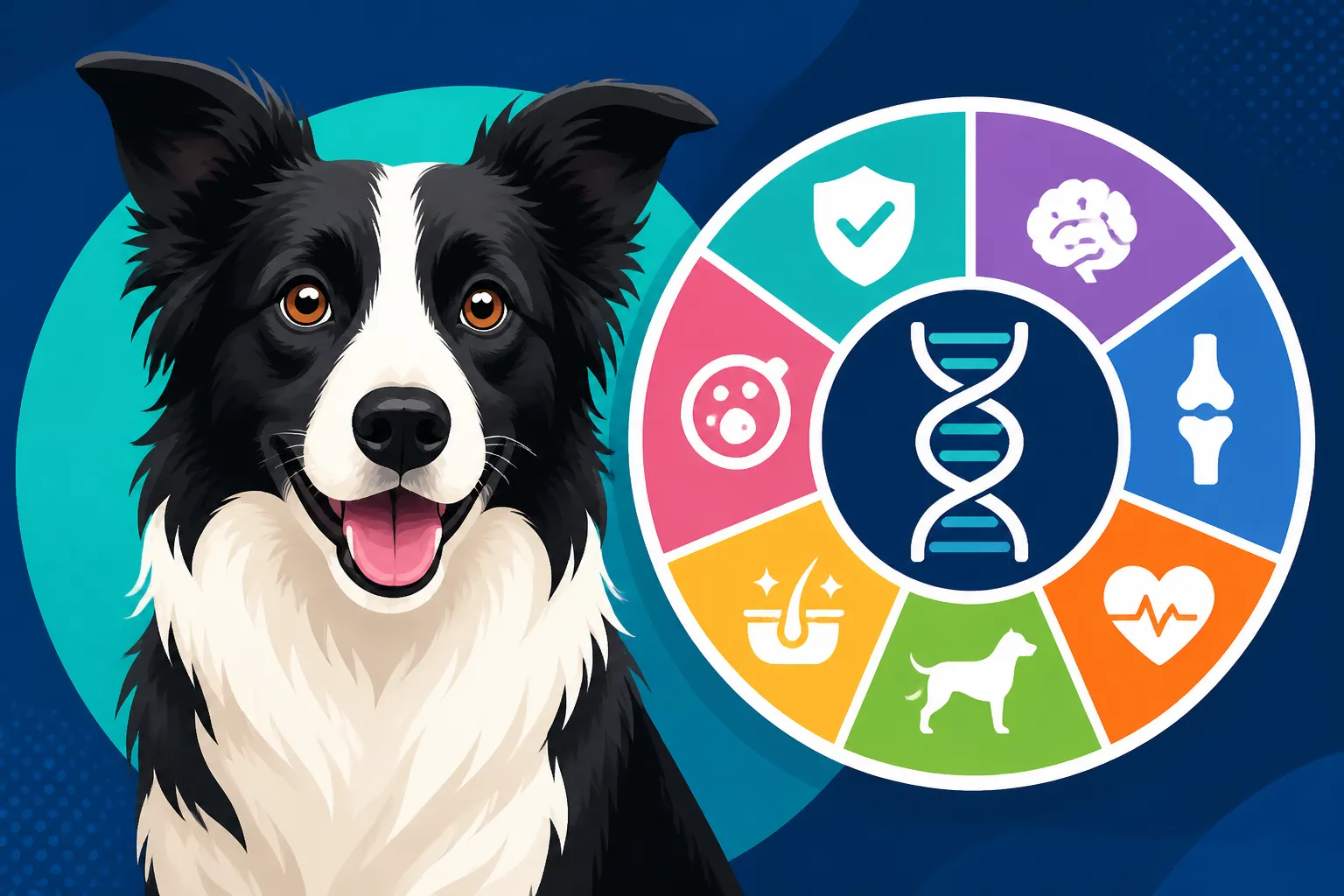
What a Full Border Collie DNA Panel Covers
It's an anxious moment for any Border Collie owner, wondering if that boundless energy and sharp intelligence might one day be overshadowed by an inherited health issue. You want to do everything you can to ensure your loyal companion lives a long, healthy life, but the world of genetic testing can feel overwhelming. This comprehensive guide will break down exactly what a full Border Collie DNA panel covers, helping you understand what these tests can reveal about your dog's future health.
The Importance of Genetic Testing for Border Collies
Bringing a Border Collie into your home, whether as a working partner, a sport dog, or a beloved family pet, means embracing a breed known for its incredible drive, intelligence, and athleticism. However, like many purebred dogs, Border Collies are predisposed to certain genetic conditions that can significantly impact their quality of life. Understanding these risks, and taking proactive steps to identify them, is a huge part of responsible dog ownership.
Why Border Collies Are Prone to Certain Conditions
Border Collies, like all dog breeds, have a relatively closed gene pool, especially when tracing back to foundational dogs like Old Hemp. While this focused breeding has cemented their incredible working abilities, it also means that certain genetic mutations, even those present at low frequencies, can become concentrated within the breed over generations. Breeders strive to produce healthy puppies, and a key tool in this endeavor is genetic testing. Without knowing the genetic status of breeding dogs, it's a bit like playing Russian roulette with the health of future generations. These aren't just minor ailments; many can be debilitating, painful, or even life-threatening conditions.
Beyond Hip and Eye Exams: The Hidden Risks
For years, responsible breeders and owners have diligently performed health screenings like Hip and Elbow Scores in a Border Collie and regular eye examinations, such as The Eye Exam a Border Collie Puppy Gets at Six Weeks. These are absolutely crucial for assessing physical structure and observable conditions. However, many serious diseases are invisible to the naked eye, developing later in life or without clear warning signs until symptoms are advanced. Imagine adopting a vibrant, healthy puppy only to find out at two years old that it carries a gene for a devastating neurological disease that will progressively worsen. Genetic panels provide a window into these hidden risks, allowing owners to prepare, manage, or even prevent the onset of certain conditions through informed choices. They truly fill in the gaps that physical exams simply cannot reach.
Delving Into the Core Components of a Border Collie DNA Panel
A full Border Collie DNA panel isn't just one test; it's a comprehensive battery of genetic markers designed to detect specific mutations known to affect the breed. Think of it as a detailed map of your dog's genetic blueprint, highlighting potential pitfalls long before they become visible. These panels vary slightly between laboratories, but generally cover a similar range of serious conditions.
Identifying Common Neurological Disorders
Neurological conditions can be particularly heart-wrenching, as they often impact a dog's cognitive function, coordination, and overall well-being. Knowing if your Border Collie is at risk allows you to work closely with your vet on monitoring and management strategies.
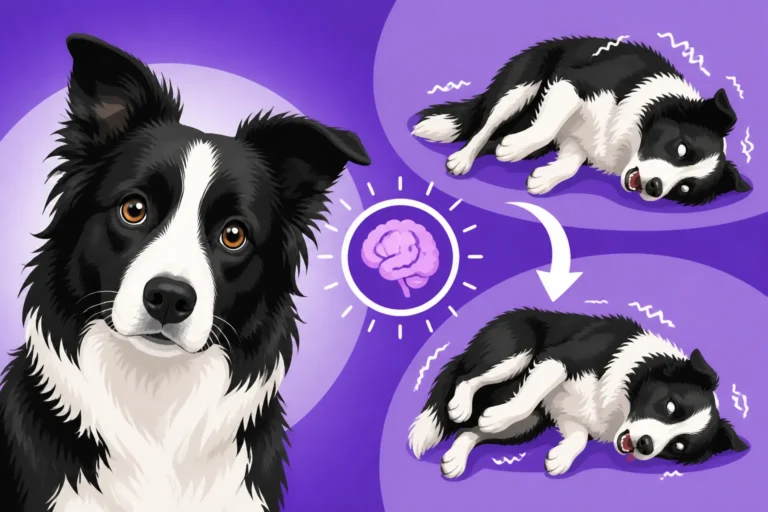
- Neuronal Ceroid Lipofuscinosis (NCL): This is a devastating, progressive neurological disorder. Affected dogs typically start showing signs between one and two years of age, though sometimes as early as six months. Symptoms often begin with subtle changes in behavior, slight clumsiness, or an exaggerated startle response, gradually worsening to include seizures, blindness, dementia, and severe motor impairment. It's a cruel disease with no cure, leading to a significantly shortened lifespan and a heartbreaking decline in quality of life. The DNA test for NCL can identify carriers and affected individuals, allowing breeders to avoid producing affected puppies entirely. If you have a Border Collie, understanding Neuronal Ceroid Lipofuscinosis in a Border Collie is key.
- Trapped Neutrophil Syndrome (TNS): TNS is an inherited immunodeficiency disorder unique to Border Collies. Puppies affected by TNS have neutrophils (a type of white blood cell crucial for fighting infection) that are produced by the bone marrow but cannot be released into the bloodstream effectively. This leaves them severely immunocompromised. Affected puppies typically become ill very young, often failing to thrive, experiencing recurrent severe infections, and unfortunately, most do not survive beyond a few months of age. It's truly heartbreaking to witness, as these puppies are constantly battling infections. A DNA test can easily identify if a dog is a carrier, preventing the possibility of producing affected litters. You can learn more about What TNS Does to a Border Collie Puppy and its devastating impact.
- Epilepsy: While epilepsy can have many causes and isn't solely genetic, certain forms in Border Collies are strongly inherited. A DNA panel may screen for specific genetic markers associated with generalized epilepsy, which is a common and distressing condition in the breed. Dogs with epilepsy experience recurrent seizures, which can range from mild "absences" to full-blown grand mal convulsions. Managing epilepsy often involves lifelong medication, careful monitoring, and significant adjustments to an owner's routine. Early identification of a genetic predisposition can prompt closer observation and allow for discussions with your vet about potential triggers or management strategies before the first seizure even occurs. Understanding Epilepsy in a Border Collie Between One and Five is critical if you suspect your dog might be at risk.
Unpacking Ocular and Vision-Related Conditions
Good vision is paramount for an active, intelligent breed like the Border Collie, especially for those involved in herding or performance sports. Genetic tests can give you foresight into potential vision problems.
- Collie Eye Anomaly (CEA) / Choroidal Hypoplasia (CH): This is a congenital, inherited eye disease that affects the choroid, a layer of tissue beneath the retina. The severity can vary greatly, from very mild and clinically insignificant choroidal hypoplasia (CH), where vision is unaffected, to severe forms involving colobomas (holes in the optic disc), retinal detachment, and hemorrhage, which can lead to blindness. The good news is that the DNA test can accurately identify affected dogs, carriers, and clear dogs. This is particularly important because while a physical eye exam can detect CEA, it can sometimes be missed if the dog's choroid develops normally later (the "go-normal" phenomenon), making the DNA test the most reliable method. The Collie Eye Anomaly in a Border Collie Puppy is a common concern for breeders and owners.
- Progressive Retinal Atrophy (PRA): PRA refers to a group of genetic diseases that cause the degeneration of the retina, ultimately leading to blindness. There are different forms of PRA, and a comprehensive panel might screen for several of them, such as prcd-PRA, which is found in many breeds. Initial symptoms often include night blindness, progressing to total blindness over time. The onset of symptoms varies depending on the specific type of PRA, but it's typically a gradual process that can begin in middle age. While there's no cure, early detection through DNA testing allows owners to prepare for their dog's eventual vision loss and make adjustments to their home environment to ensure their dog's safety and comfort.
Metabolic and Other Systemic Issues
Beyond the more commonly known neurological and ocular conditions, DNA panels can also shed light on metabolic disorders that impact a dog's overall health and ability to absorb vital nutrients.
- Cobalamin Malabsorption (IGS / Imerslund-Gräsbeck Syndrome): This is a genetic disorder that prevents the small intestine from properly absorbing cobalamin (Vitamin B12). Cobalamin is crucial for many bodily functions, including red blood cell production, neurological function, and DNA synthesis. Affected puppies often present with signs of illness shortly after weaning, showing symptoms like poor growth, lethargy, loss of appetite, and sometimes anemia or neurological issues. Without treatment, this condition can be fatal. The good news is that if diagnosed, it can be managed with lifelong B12 injections, allowing affected dogs to live relatively normal lives. A DNA test is essential for identifying affected dogs and carriers before symptoms manifest. If you notice symptoms, understanding Cobalamin Malabsorption in a Border Collie is a must.
Understanding MDR1 Sensitivity in Border Collies
One of the most crucial genetic tests for any Collie breed, including the Border Collie, is for the Multi-Drug Resistance 1 (MDR1) gene mutation. While not as prevalent in Border Collies as in some other Collie varieties, it’s still important to screen for.
What the MDR1 Gene Does
The MDR1 gene, also known as ABCB1, encodes a protein called P-glycoprotein. This protein acts like a pump, pushing certain drugs and toxins out of the brain and other sensitive organs. In dogs with a mutated or "deleted" MDR1 gene, this pump doesn't work correctly, or doesn't work at all. This means that certain common medications, which would normally be harmless, can build up to toxic levels in the brain, leading to severe neurological side effects, including tremors, seizures, coma, and even death. It’s a silent killer if you’re not aware your dog has it. You might think, "Well, my dog is fine," but it's about avoiding specific drug interactions that could turn deadly. This is why knowing What the MDR1 Deletion Does to a Border Collie is so vital.
Medications to Avoid for MDR1 Affected Dogs
The list of problematic medications for MDR1 affected dogs includes a number of commonly used veterinary drugs. It’s not just a handful; there are quite a few categories to be aware of.
- Parasite Preventatives: Certain doses of ivermectin (often used in heartworm preventatives), selamectin, milbemycin, and moxidectin can cross the blood-brain barrier and cause toxicity in affected dogs. While many monthly heartworm medications contain these drugs at levels typically safe even for MDR1 affected dogs, higher doses used for certain deworming protocols can be dangerous. It's crucial to always tell your vet your dog's MDR1 status.
- Anti-diarrhea Medications: Loperamide (Imodium) is a common over-the-counter anti-diarrhea drug that can cause severe neurological problems in MDR1 affected dogs, even at standard doses.
- Chemotherapy Agents: Doxorubicin, paclitaxel, and vinblastine are chemotherapy drugs that can be problematic.
- Other Drugs: Some anesthetics (like acepromazine and butorphanol), steroids (like prednisolone at high doses), and antibiotics (like erythromycin) can also pose risks.
It's absolutely essential that if your Border Collie tests positive for the MDR1 mutation, you carry this information with you and inform every veterinarian, emergency vet, and even groomer or boarding facility. Many pet insurance providers, like Healthy Paws, recognize the importance of proactive care, and having your dog's MDR1 status on file can contribute to a comprehensive health profile. This early knowledge truly can be life-saving. Even though Why One or Two Border Collies in a Hundred Carry MDR1 is a relatively low percentage, you don't want your dog to be that one.
Interpreting Your Border Collie's DNA Panel Results
Once you get those results back from the lab, it can feel like you're staring at a foreign language. But understanding the common terms used – Clear, Carrier, and Affected – is straightforward and empowers you to make the best decisions for your dog.
Clear, Carrier, and Affected: What the Terms Mean
These three terms summarize your dog's genetic status for each specific disease screened. They relate to how many copies of the mutated gene your dog carries and what that means for their health and any potential offspring.
- Clear (or Homozygous Normal): This is the ideal result. A "clear" dog has two normal copies of the gene (one from each parent) and does not carry the mutation for that particular disease. This means the dog will not develop the genetic condition, nor will it pass the mutated gene on to any offspring. For a condition like CEA, a clear dog means no genetic predisposition to the disease.
- Carrier (or Heterozygous): A "carrier" dog has one normal copy of the gene and one copy of the mutated gene. For most recessive genetic conditions, a carrier will not develop the disease themselves because the normal gene copy provides enough healthy protein or function. However, they can pass the mutated gene on to approximately 50% of their offspring. Carriers are perfectly healthy but are vital information for breeders. Knowing your dog is a carrier for something like Carriers, Affected and Clear on a Border Collie Panel is crucial.
- Affected (or Homozygous Affected): An "affected" dog has two copies of the mutated gene (one from each parent). This means the dog will develop the genetic condition, assuming it's a fully penetrant disease. The severity and age of onset can vary depending on the specific disease. For an affected dog, the focus shifts to managing the condition and ensuring their comfort and quality of life. In breeding, two affected dogs should never be bred, and an affected dog should never be bred with any other dog if the goal is to eliminate the disease from the line.
Making Informed Breeding Decisions
For breeders, genetic panel results are indispensable. They are the cornerstone of responsible breeding practices aimed at eradicating inherited diseases from the Border Collie gene pool.
- Avoiding Affected Puppies: The primary goal is to avoid producing puppies that are "affected" by severe genetic conditions. This is achieved by never breeding two carriers together for a recessive disease, as this pairing statistically results in 25% affected puppies, 50% carriers, and 25% clear puppies.
- Strategic Breeding with Carriers: While an affected dog should never be bred, carriers can still be valuable in a breeding program, especially if they possess excellent conformation, temperament, or working ability. A carrier can be safely bred to a "clear" dog, as all offspring will either be clear or carriers, but none will be affected. This strategy helps maintain genetic diversity while gradually reducing the prevalence of the mutated gene in the population. The choice to breed a carrier is a very considered one and should always prioritize the health of future generations.
Practical Steps for Genetic Testing and Utilizing Results
Getting your Border Collie DNA tested is easier than you might think, and the information it provides is invaluable. It’s a small investment for peace of mind and informed decision-making.
How to Get Your Border Collie Tested
The process for DNA testing your Border Collie is straightforward and non-invasive, typically done from the comfort of your own home.
- Choose a Reputable Laboratory: Several well-known veterinary genetic testing laboratories offer comprehensive Border Collie panels. Popular choices include Optimal Selection (part of Wisdom Panel), Embark Veterinary, and Canine Health Check. When considering Which DNA Tests a Border Collie Breeder Should Have Run, these are typically the go-to options. Make sure the lab you choose specifically offers a "Border Collie panel" or clearly lists the conditions relevant to the breed.
- Order a Kit: You can usually order a DNA testing kit directly from the lab's website. The kit will contain everything you need: sterile cheek swabs, instructions, and a return envelope.
- Collect the Sample: The most common method involves gently swabbing the inside of your dog's cheek with the provided sterile brush or swab. You'll need to rub it firmly against the gum line and inner cheek for about 30-60 seconds to collect enough cheek cells. It’s important to ensure your dog hasn't eaten or drunk anything for at least an hour beforehand to avoid contamination. For puppies, it’s a quick swab and often done before they even leave the breeder.
- Mail It Back: Follow the kit instructions for drying and packaging the swabs, then mail them back to the lab.
- Receive Results: Results are typically sent via email within a few weeks, often with an online portal where you can view detailed reports.
The cost of What a Border Collie DNA Panel Costs varies but is a small price to pay for the detailed insights you gain. Many breeders include these tests as part of their health screening, so don't be afraid of Asking a Border Collie Breeder for Test Results when inquiring about a puppy.
Discussing Results with Your Veterinarian
Receiving your Border Collie's DNA panel results is just the first step. The next crucial step is to sit down with your veterinarian to thoroughly discuss what the results mean for your individual dog.
- Understanding the Implications: Your vet can help you interpret the scientific jargon and explain the practical implications of any "carrier" or "affected" results. For example, if your dog is an MDR1 carrier, your vet can flag this prominently in their medical records and discuss which medications to avoid or use with caution. This information becomes part of your dog's permanent health history, ready to inform every future medical decision.
- Proactive Health Management: For affected dogs, your vet can outline a proactive health management plan. This might involve regular monitoring, dietary adjustments, or discussions about future treatments. For a condition like Cobalamin Malabsorption, knowing your dog is affected means starting B12 injections before severe symptoms even develop, potentially saving their life and greatly improving their quality of life. This kind of early intervention, supported by companies like Healthy Paws that encourage preventative care, can make all the difference.
- Peace of Mind: Even if all results come back "clear," this provides immense peace of mind. You know you've done your due diligence, and you can focus on enjoying your healthy Border Collie's life, rather than constantly worrying about unseen genetic threats.
Common Border Collie Genetic Conditions & DNA Panel Screens
To help summarize, here's a table of some key genetic conditions typically covered in a comprehensive Border Collie DNA panel:
| Condition | Type of Disorder | Symptoms (if affected) | How DNA Test Helps |
|---|---|---|---|
| Collie Eye Anomaly (CEA/CH) | Ocular (Eye) | Vision impairment, retinal detachment, coloboma (severity varies). | Identifies clear, carrier, and affected dogs, regardless of "go-normal" phenomenon. |
| Neuronal Ceroid Lipofuscinosis (NCL) | Neurological (Progressive) | Behavioral changes, clumsiness, seizures, blindness, dementia (progressive, fatal). | Identifies clear, carrier, and affected dogs, crucial for breeding decisions. |
| Trapped Neutrophil Syndrome (TNS) | Immunodeficiency | Recurrent severe infections, failure to thrive (fatal in puppies). | Identifies clear, carrier, and affected dogs, preventing affected puppies. |
| Cobalamin Malabsorption (IGS) | Metabolic | Poor growth, lethargy, loss of appetite, anemia, neurological issues (manageable with B12 injections). | Identifies clear, carrier, and affected dogs, allowing early diagnosis and treatment. |
| Multi-Drug Resistance 1 (MDR1) | Drug Sensitivity | Severe neurological toxicity from certain common drugs (e.g., ivermectin, loperamide). | Identifies dogs sensitive to specific drugs, allowing vets to choose safe alternatives. |
| Progressive Retinal Atrophy (PRA) | Ocular (Progressive Blindness) | Night blindness progressing to total blindness. | Identifies clear, carrier, and affected dogs, allowing owners to prepare for vision loss. |
| Generalized Epilepsy (Specific Gene) | Neurological | Recurrent seizures (can be managed with medication). | Identifies genetic predisposition to certain forms of epilepsy, prompting early vigilance and vet discussion. |
This table represents a common, though not exhaustive, list. Some panels may include additional screens for conditions like Myotonia Congenita or Dental Hypomineralization, further enriching the health profile of your Border Collie. Always check the specific tests offered by your chosen laboratory. For a deeper understanding of your dog's overall genetic makeup, The Border Collie Genetic Panel and What It Screens is a fantastic resource.
Disclaimer
The information provided in this article is for general informational purposes only and does not constitute veterinary advice. Always consult with a qualified veterinarian for any health concerns or before making any decisions related to your pet's health or treatment. Genetic testing results should always be interpreted in consultation with your veterinarian and/or a certified genetic counselor.