Hot Spots on a Border Collie
There’s nothing quite as alarming as spotting a red, angry, oozing patch on your beloved Border Collie, seemingly appearing overnight. Hot spots, or acute moist dermatitis, are a nightmare for many dog owners because they pop up so suddenly, are incredibly itchy and painful, and can spread at an alarming rate. This guide is here to unravel the mystery of these irritating skin lesions, helping you understand their causes, how to spot them early, what immediate steps you can take at home, and most importantly, how to prevent them from turning your energetic companion into a miserable, scratching mess.
Understanding What Hot Spots Truly Are
Hot spots are more than just a surface irritation; they're a rapid, localized skin infection that can escalate quickly. Imagine an itch that gets worse with every scratch, turning a small irritation into a raw, open wound. That's essentially what happens with a hot spot, and Border Collies, with their dense coats and active lifestyles, are particularly susceptible.
The Vicious Cycle of an Acute Moist Dermatitis
A hot spot begins innocently enough, often with a tiny itch. Maybe it's a mosquito bite, a small scrape, or even a fleabite. For a Border Collie, that initial itch can trigger an intense response. Their powerful drive and intelligence often mean they become fixated on the sensation, licking, chewing, and scratching at it incessantly. This self-trauma quickly breaks the skin barrier, allowing bacteria – which are always present on the skin – to invade.
Once bacteria get in, the area becomes inflamed, moist, and even more itchy, leading to a vicious cycle. The dog scratches more, creating more damage, which allows more bacteria to thrive, leading to more inflammation and pain. The lesion rapidly expands, often becoming a red, wet, painful sore that's warm to the touch and can appear crusty or matted with discharge. Because Border Collies often have such thick coats, especially the rough-coated varieties, these hot spots can hide beneath the fur, making them hard to spot until they’ve become quite severe. Owners often express frustration at how a tiny speck they noticed in the morning can be the size of a golf ball by evening, a testament to how quickly this condition can take hold.
Common Triggers That Ignite a Border Collie's Skin
While the immediate cause of a hot spot is always self-trauma, there’s almost always an underlying trigger. For active breeds like the Border Collie, these triggers are plentiful and often environmental.
One of the most frequent culprits is allergies. Just like people, dogs can suffer from environmental allergies (pollen, dust mites, mold) or food allergies. When a Border Collie experiences an allergic reaction, their skin becomes itchy, leading to the initial scratching that can snowball into a hot spot. This is why addressing Allergies in a Border Collie is often a crucial step in preventing recurrent hot spots.
Parasites are another huge factor. Fleas, ticks, and mites can cause intense itching. Even a single flea bite can be enough to trigger a reaction in a sensitive dog, initiating the lick-scratch cycle. Imagine your dog working in tall grass or brush, which is common for a Border Collie, and picking up a tick or a few fleas. That tiny irritation can escalate quickly. This highlights the importance of consistent Tick Cover for a Border Collie Working in Cover.
Moisture and poor air circulation play a significant role, especially in dogs with dense double coats. If your Border Collie gets wet from swimming, rain, or even just a damp run, and their coat isn't thoroughly dried, moisture can get trapped against the skin. This creates a warm, humid environment that's perfect for bacterial growth. This is particularly relevant for Drying a Border Collie After a Wet Day's Work.
Other potential triggers include insect bites (mosquitoes, spiders), ear infections (leading to scratching around the head and neck, potentially causing hot spots behind the ears), poor grooming practices (matted fur can pull at the skin and trap moisture), and even stress or boredom which can lead to excessive licking as a coping mechanism. A dog like a Border Collie, prone to intense focus, might develop an obsessive licking habit that manifests as a hot spot if not properly managed with adequate mental and physical stimulation. Even conditions like Sensitive Skin in a Border Collie can make them more prone to developing hot spots from seemingly minor irritations.
Recognizing the Signs and Acting Fast
Spotting a hot spot early is critical to managing it effectively and preventing it from becoming a large, painful ordeal. As much as we’d like to avoid it, your Border Collie is likely to get one at some point in their life due to their active nature and predisposition.
The Visual Cues and Behavioral Changes
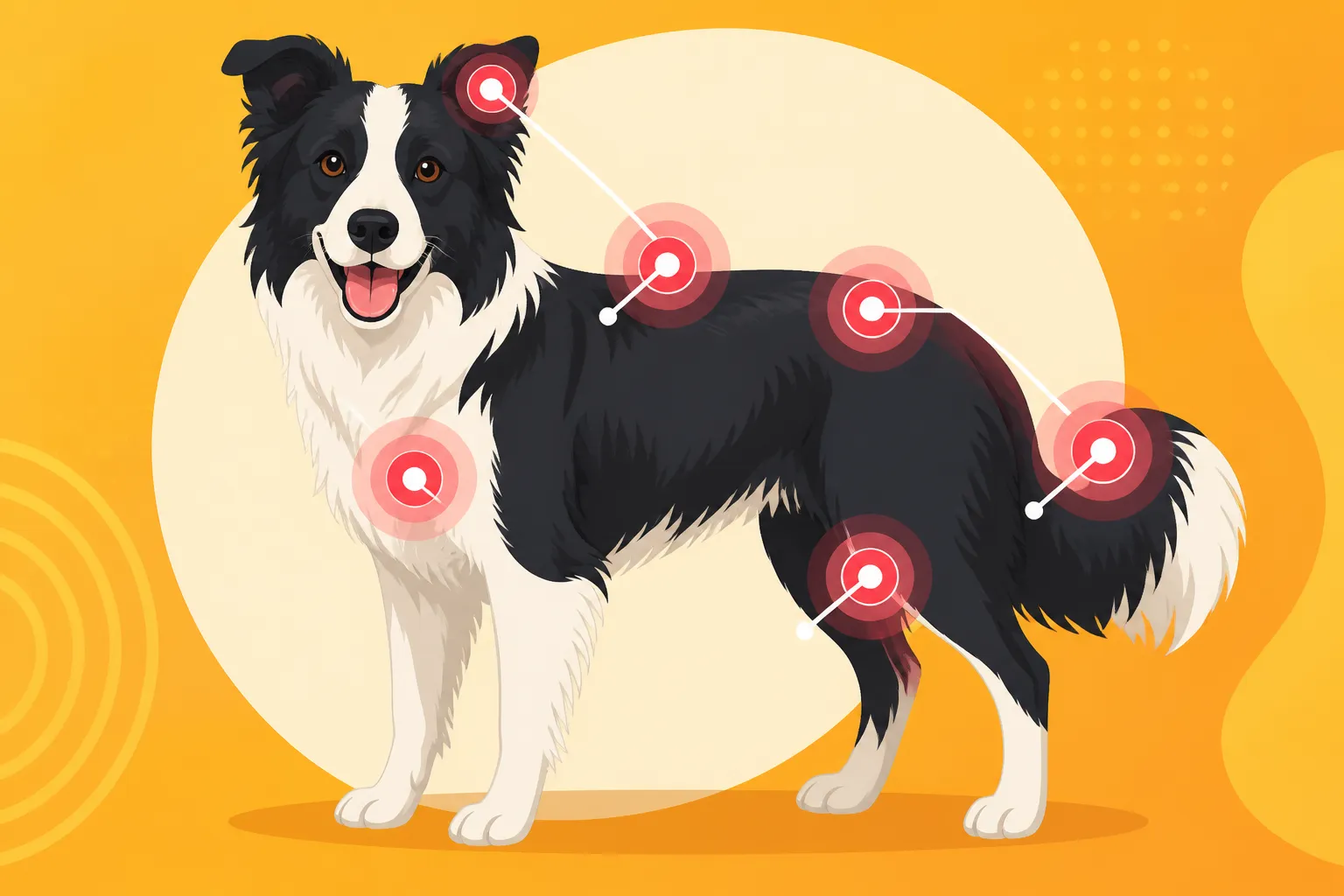
Initially, you might not see anything. Instead, you might notice your Border Collie licking, chewing, or scratching a specific area more than usual. This is your first warning sign. Don't dismiss it as "just an itch." Investigate! Get down and part their fur, especially in common hot spot areas like the sides of the face, neck, rump, or thighs.
When a hot spot begins to develop, you'll typically see a small, reddened area of skin. As it progresses, it becomes:
- Red and Inflamed: The skin will be noticeably redder than the surrounding healthy skin.
- Moist and Oozing: This is the hallmark of a hot spot – a wet, weeping surface, often with pus or clear fluid.
- Crusted or Matted: The discharge can dry, forming crusts, or it can mat the surrounding fur together, making the area sticky and smelly.
- Hair Loss: The constant licking and chewing will inevitably lead to hair loss over the affected area, revealing the raw skin beneath.
- Warm to the Touch: Due to the inflammation and infection, the area will feel warmer than the rest of your dog's skin.
- Painful: Your dog will likely react negatively if you try to touch the hot spot, yelping or pulling away.
Beyond the physical appearance, pay close attention to your Border Collie's behavior. They might become withdrawn, restless, or irritable due to the discomfort. An otherwise stoic working dog might suddenly be reluctant to be handled or might constantly try to rub the area against furniture. They might also become less enthusiastic about their usual activities, showing reduced drive for working sheep or playing fetch because they are simply too uncomfortable.
Why Early Intervention Makes All the Difference
Catching a hot spot in its infancy is like putting out a small campfire before it becomes a raging wildfire. The faster you act, the less pain your dog experiences, the quicker it heals, and the less likely it is to become a much larger, more complicated problem requiring extensive veterinary intervention.
When a hot spot is small, you can often manage it effectively at home with careful cleaning and topical treatments. However, if left unchecked, these lesions can expand rapidly, sometimes doubling in size in just a few hours. A large, deeply infected hot spot might require oral antibiotics, stronger pain medication, and even sedation to properly clean and clip the area. These larger, more severe cases mean a longer recovery time, more discomfort for your dog, and potentially higher veterinary bills. Prompt action can save your dog unnecessary suffering and you a lot of worry and expense. Early detection is really part of a broader commitment to Checking a Border Collie Over After Field Work regularly.
First Aid and At-Home Management for Hot Spots
Once you've identified a hot spot, it's natural to feel a bit overwhelmed and distressed for your dog. But taking swift, methodical steps can make a huge difference in their comfort and recovery. Remember, this is about halting that vicious cycle of itch, scratch, and infection.
Cleaning and Preparing the Affected Area
The first, and often most challenging, step is to prepare the area. This usually involves clipping the fur around the hot spot. I know, no one wants to shave their beautiful Border Collie, but it's absolutely essential. Matted fur traps moisture and bacteria, preventing air from reaching the skin and making topical treatments ineffective. You need to clip at least an inch or two of healthy fur surrounding the entire red, inflamed area. If your dog is in a lot of pain, you might need someone to help hold them gently, or you might even need to muzzle them for safety. Small, blunt-tipped scissors can work if clippers aren't available, but be extremely careful not to nick the skin.
Once the area is clipped, you need to clean it thoroughly. Gently cleanse the hot spot with an antiseptic solution like chlorhexidine or povidone-iodine, diluted according to product instructions, or even just warm water and a mild, unmedicated soap if nothing else is on hand. The goal is to remove all the crust, pus, and debris. This can be painful for your dog, so be patient and gentle. Use soft cotton balls or gauze pads, dabbing rather than scrubbing. After cleaning, make sure the area is completely dry. You can gently pat it dry with a clean towel or even use a cool hairdryer on a low setting. Remember, moisture is the enemy here.
Topical Treatments and Keeping Your Border Collie Comfortable
With the area clean and dry, it's time for topical treatment. Your vet might prescribe an antibiotic cream or spray, possibly combined with a steroid to reduce inflammation and itching. Over-the-counter options, like those containing hydrocortisone or witch hazel, can provide temporary relief for mild cases. However, always check with your vet before applying anything, especially if the skin is broken or deeply infected.
To prevent your Border Collie from immediately licking off the medicine (and continuing the self-trauma), an Elizabethan collar (the "cone of shame") or an inflatable collar is a must. Seriously, don't skip this step. They might hate it, but it's crucial for healing. Trying to stop a determined Border Collie from licking without one is a losing battle. If your dog is really struggling with the cone, there are softer, more flexible versions available that might be more comfortable. Consider applying a thin layer of cream 2-3 times a day, or as directed by your vet, making sure the area stays clean and dry in between applications.
When to Seek Veterinary Help Immediately
While some minor hot spots can be managed at home, there are definite signs that warrant an immediate trip to the vet. Don't hesitate if:
- The hot spot is large (larger than a quarter) or is rapidly expanding despite your efforts.
- The area is extremely painful, deep, or showing signs of severe infection like green or yellow pus, foul odor, or fever.
- Your Border Collie is lethargic, refusing to eat, or showing other signs of systemic illness.
- The hot spot is on their face, near their eyes, or in an area that's difficult to clean or protect.
- The hot spot isn't improving within 24-48 hours of starting at-home treatment.
- Your dog has recurrent hot spots, as this indicates an underlying issue that needs professional diagnosis and treatment.
Your vet might prescribe oral antibiotics to tackle the infection from the inside out, or oral steroids to control severe itching and inflammation. They can also offer stronger pain relief to make your dog more comfortable during recovery. Sometimes, the root cause might be complex, requiring specific diagnostic tests, for example, for certain types of allergies. While pet insurance providers like Healthy Paws can help cover unexpected veterinary costs, getting a professional diagnosis and treatment plan early can often prevent a small issue from becoming a much larger, more expensive one.
Preventing Hot Spots: A Proactive Approach
The best way to deal with hot spots is to prevent them from happening in the first place. For a high-drive, active breed like the Border Collie, this means a multi-faceted approach focusing on their unique needs.
Regular Grooming and Coat Maintenance
Border Collies have magnificent coats, whether rough or smooth, but these coats need diligent care. Regular grooming is your frontline defense against hot spots. For rough-coated Border Collies, this means daily or every-other-day brushing to remove loose hair, tangles, and potential mats that can trap moisture and debris. Mats are notorious for causing skin irritation and harboring bacteria. Grooming a Rough-Coated Border Collie involves getting right down to the skin to ensure proper air circulation. Even smooth-coated Border Collies, despite their shorter fur, benefit from regular brushing to remove dead hair and distribute natural oils, helping to keep their skin healthy. It's a common misconception that The Smooth-Coated Border Collie and What Its Coat Needs is minimal, but consistent care is still vital.
Bathing should be done with a high-quality dog shampoo that doesn't strip natural oils, especially if your Border Collie spends a lot of time in the mud or swimming. After a bath or a wet adventure, always ensure their coat is completely dry, paying special attention to dense areas like the neck, rump, and armpits. A powerful dog dryer can be a worthy investment, particularly for working or competition dogs who get wet frequently. Regularly checking their skin during grooming sessions can help you spot any tiny irritations before they blow up into full-blown hot spots.
Addressing Allergies and Underlying Health Issues
Since allergies are a major trigger for hot spots, identifying and managing them is paramount. If your Border Collie experiences recurrent hot spots, especially during certain seasons, allergies are a strong suspect. Your vet can help determine if environmental allergies or food sensitivities are at play. This might involve diet trials, allergy testing, or simply managing symptoms with antihistamines or other medications.
Beyond allergies, any condition that causes itching or discomfort can indirectly lead to a hot spot. This includes ear infections – Ear Infections Under a Border Collie's Folded Ear can lead to frantic scratching around the head – or even musculoskeletal pain that causes a dog to excessively lick a sore joint. A holistic approach to your Border Collie's health, ensuring they are otherwise sound and comfortable, is key to preventing skin issues. Again, having a pet insurance plan from a company like Healthy Paws can be incredibly reassuring if you need to pursue extensive allergy testing or ongoing treatment for underlying conditions.
Environmental Management and Parasite Control
Your Border Collie’s environment plays a huge role in their skin health. Keeping their bedding clean, vacuuming regularly to reduce dust mites, and minimizing exposure to known outdoor allergens can all help. If your dog loves to swim, ensure they get a thorough rinse with fresh water and are dried properly afterward.
Vigilant parasite control is non-negotiable. Stick to a veterinarian-recommended monthly flea and tick preventative, year-round, even in colder months, as parasites can still be present indoors. There are many effective products on the market, like those from Frontline, Bravecto, or Nexgard, that offer broad-spectrum protection. Even if you don't see fleas, a single bite can trigger a hot spot in a sensitive dog. Regularly check your dog's coat and skin for any signs of parasites, especially after they’ve been in areas with high tick populations.
Finally, managing boredom and stress can also reduce compulsive licking behaviors that can initiate hot spots. Ensure your Border Collie gets plenty of mental stimulation through training, puzzle toys, and varied exercise, in addition to their physical work. A bored Border Collie is a destructive Border Collie, and sometimes that destructiveness is directed at their own skin.
Here’s a quick overview of common hot spot triggers and preventative measures:
| Category | Common Triggers for Hot Spots | Preventative Measures |
|---|---|---|
| Allergies | Environmental (pollen, dust mites), Food sensitivities | Vet consultation for allergy testing/management, Diet trials, Antihistamines, Immunotherapy |
| Parasites | Fleas, Ticks, Mites, Insect bites (mosquitoes, spiders) | Year-round vet-recommended flea/tick preventative, Regular coat checks, Environmental parasite control |
| Moisture | Wet coat from swimming/rain, Trapped humidity | Thorough drying after baths/wet play, Proper grooming to prevent matting, Good air circulation |
| Grooming | Mats, Skin irritation from dirty coat, Irregular brushing | Regular brushing (daily for rough coats), Professional grooming, Proper bathing techniques |
| Behavioral | Stress, Boredom, Anxiety, Obsessive licking/chewing | Ample mental & physical exercise, Training, Puzzle toys, Addressing anxiety with vet/trainer |
| Other Skin Irritations | Scrapes, Wounds, Ear infections, Unshaved clipper burn | Prompt first aid for minor injuries, Treating ear infections immediately, Careful clipping/grooming |
Disclaimer
The information provided in this guide is for general educational purposes only and should not be considered a substitute for professional veterinary advice. Always consult with a qualified veterinarian for any health concerns or before making any decisions about your Border Collie's medical care.