Drug Sensitivity and the Border Collie MDR1 Rate
It's truly unsettling to think that a routine trip to the vet, or even an over-the-counter medication, could put your beloved Border Collie in serious danger. Many of us, myself included when I first heard about it, are completely unaware that a specific genetic mutation can make our highly intelligent and active companions critically sensitive to common drugs. This guide is here to unravel the complexities of MDR1 drug sensitivity in Border Collies, offering you the crucial knowledge needed to protect your dog and advocate for their health with confidence.
Understanding the MDR1 Gene and Its Role
The world of canine genetics can seem like a labyrinth, but understanding one particular gene, the MDR1 gene, is absolutely vital for certain breeds, including our incredible Border Collies. This isn't just a fancy scientific term; it represents a fundamental aspect of your dog's ability to process and eliminate medications safely.
What is the MDR1 Gene and P-glycoprotein?
At its core, the MDR1 gene is responsible for producing a very important protein called P-glycoprotein. Think of P-glycoprotein as your dog's personal bouncer or bodyguard at the cellular level. Its primary job is to act as an efflux pump, pushing certain drugs and toxins out of cells and out of the body. This is crucial for detoxification and drug elimination, ensuring that medications don't build up to harmful levels.
One of the most critical roles this P-glycoprotein plays is forming a vital part of the blood-brain barrier. Imagine the blood-brain barrier as a highly selective gatekeeper that surrounds your dog's brain, designed to protect it from harmful substances circulating in the bloodstream. P-glycoprotein works at this gate, actively pumping out drugs and toxins that might otherwise cross into the delicate brain tissue, where they could cause severe neurological damage. Without a properly functioning P-glycoprotein, this protective mechanism is compromised, making the brain vulnerable to substances that should never reach it in high concentrations. It's a marvel of biological engineering, essential for filtering what gets in and out.
The MDR1 Mutation: A Genetic Flaw
Now, here's where the trouble starts for some dogs. The MDR1 mutation is a specific genetic flaw, often referred to as a "deletion mutation," meaning a small, but incredibly important, piece of the gene is missing. This deletion isn't just a minor tweak; it's like removing a vital cog from a complex machine. When this particular piece is missing, the P-glycoprotein either isn't produced at all, or it's produced in a faulty, non-functional form.
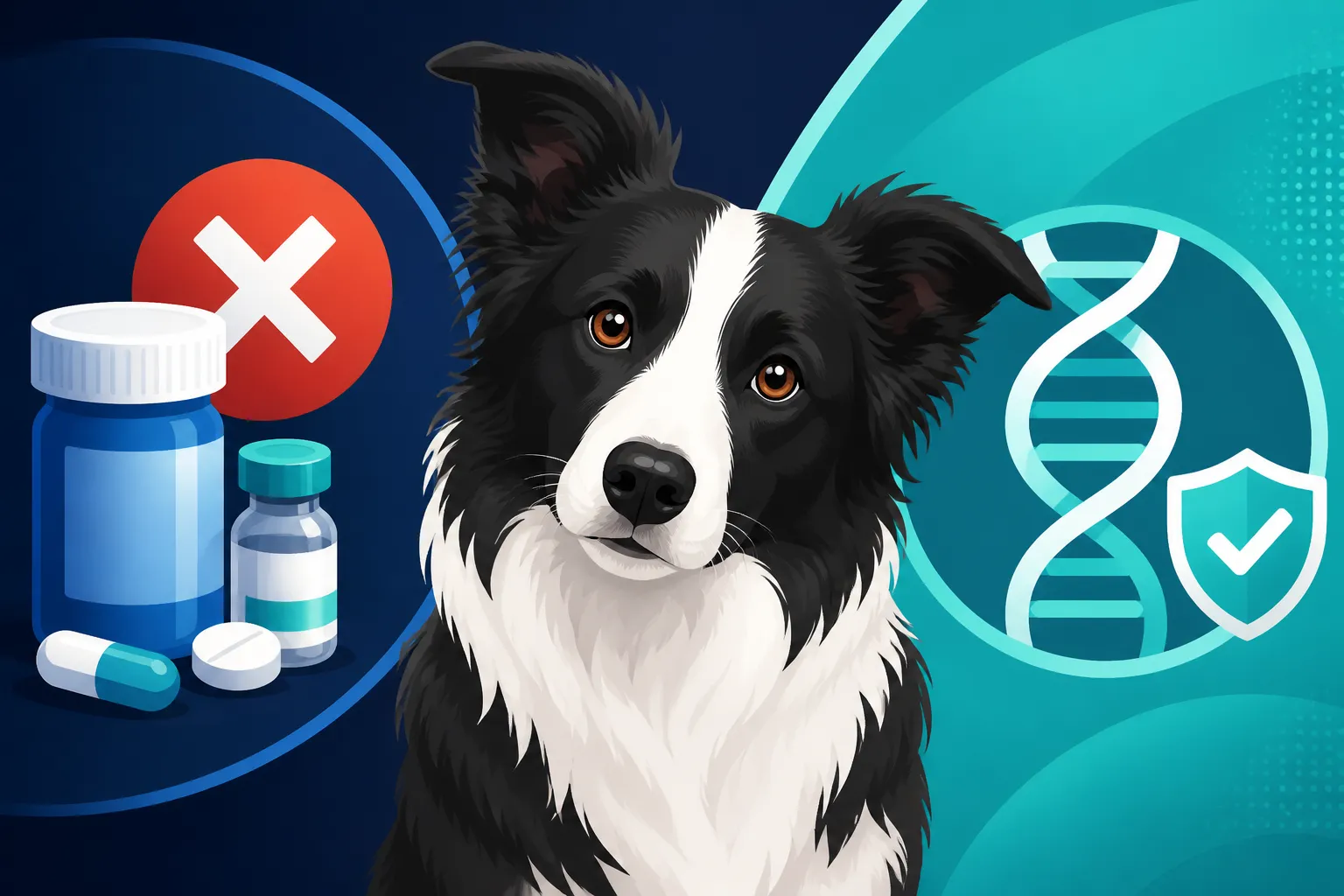
The direct consequence of this impaired or absent P-glycoprotein is that the body's ability to pump out certain drugs is severely hampered. Instead of being effectively expelled from cells and protected by the blood-brain barrier, these medications accumulate. They linger in the bloodstream longer than they should, and most alarmingly, they can cross into the brain at much higher, toxic concentrations. This accumulation can lead to a range of adverse drug reactions, from mild discomfort to severe neurological symptoms, and even death, depending on the drug and the dosage. It's a stark reminder of how a tiny genetic change can have such profound, life-threatening implications. This mutation is inherited as an autosomal recessive trait, meaning a dog needs two copies of the affected gene (one from each parent) to be considered "affected" and show full sensitivity. However, even dogs with one copy (carriers) can sometimes have milder sensitivities or pass the trait on.
Why Border Collies and Other Herding Breeds Are Affected
It might seem unfair that such a wonderful, intelligent breed like the Border Collie could be predisposed to such a critical genetic flaw. But the story of the MDR1 mutation is deeply intertwined with the history and lineage of herding dogs.
The Origin of the Mutation in Herding Dogs
The MDR1 mutation isn't unique to Border Collies. In fact, it's widely prevalent in many herding breeds, tracing back to a common ancestor in their genetic past. Think of a foundational dog, perhaps centuries ago, that carried this mutation, and as its descendants spread across Europe and the world, so too did the faulty gene. Breeds like Collies, Australian Shepherds, Shetland Sheepdogs, Old English Sheepdogs, and even some non-herding breeds such as Long-haired Whippets, are known to be affected. The prevalence can vary dramatically from one breed to another.
For instance, Rough Collies and Australian Shepherds have a significantly higher incidence of the MDR1 mutation compared to Border Collies. It's estimated that a much smaller percentage of Border Collies carry the mutation than their Collie cousins. This difference is an important one, and if you're curious about the specifics, you can learn more by reading about Why Border Collies Carry MDR1 Less Than Collies. While the risk might be lower for our Border Collie pals compared to some others, it's by no means non-existent, and every owner should still be vigilant and consider testing.
How the Mutation is Passed Down
Understanding how the MDR1 mutation is inherited is crucial, especially for breeders, but also for any owner who might consider getting a puppy from a particular lineage. As mentioned, it's an autosomal recessive trait. This means there are three possible genetic statuses for any individual dog:
- Clear (N/N): This dog has two normal copies of the gene and will not be affected by drug sensitivities related to MDR1. They also cannot pass the mutated gene to their offspring.
- Carrier (N/MDR1): This dog has one normal copy and one mutated copy of the gene. While generally these dogs don't show clinical signs of drug sensitivity themselves because the normal copy often produces enough functional P-glycoprotein, they can pass the mutated gene on to 50% of their offspring. This is where things get interesting for breeders, and careful consideration is needed.
- Affected (MDR1/MDR1): This dog has two mutated copies of the gene and is highly susceptible to severe reactions from contraindicated drugs. They will pass a mutated copy to 100% of their offspring.
For breeders, knowing the genetic status of their breeding stock is paramount. A responsible breeder will have run a full genetic panel to ensure they are making informed decisions. If you're looking into Which DNA Tests a Border Collie Breeder Should Have Run, MDR1 should absolutely be on that list. The consequences of breeding two carriers, for example, could result in 25% of the litter being affected (MDR1/MDR1), 50% being carriers (N/MDR1), and 25% being clear (N/N). This is why careful planning, particularly when considering Pairing Two Carrier Border Collies, is essential to gradually reduce the incidence of affected dogs in the breed.
Recognizing the Drugs That Pose a Danger
This is perhaps the most critical section for Border Collie owners. Knowing which drugs can cause problems is the first line of defense in protecting your dog. The list might surprise you, as it includes some very common medications.
The "Big Hitters": Medications to Absolutely Avoid
For an MDR1 affected Border Collie, certain medications are like poison. They absolutely must be avoided, or used with extreme caution and at significantly reduced dosages under strict veterinary supervision, and only if no safer alternative exists. Here are some of the most dangerous culprits:
- Ivermectin: This is perhaps the most famous and dangerous drug for MDR1 affected dogs. While often used in heartworm prevention at very low, usually safe doses, higher concentrations (like those used for treating mites or other parasites) can be lethal. If your dog is MDR1 affected, you must be incredibly careful, and it's best to explore alternatives entirely. We delve deeper into this specific drug and its implications in Ivermectin and the MDR1 Border Collie.
- Loperamide (Imodium): Yes, the common over-the-counter anti-diarrhea medication can be incredibly toxic. For dogs with the MDR1 mutation, loperamide can cross the blood-brain barrier, acting as an opioid and causing severe neurological depression. This is detailed further in Loperamide and the MDR1 Border Collie.
- Acepromazine: A common sedative used in veterinary medicine. For MDR1 affected dogs, it can lead to profound and prolonged sedation, respiratory depression, and even circulatory collapse. This is why always informing your vet of your dog's MDR1 status before any procedure is non-negotiable.
- Butorphanol: Another pain reliever and sedative often used in combination with other drugs. Like acepromazine, it can have exaggerated and dangerous effects in MDR1 affected individuals.
- Certain Chemotherapy Drugs: Vincristine, vinblastine, and doxorubicin are powerful chemotherapy agents. In MDR1 affected dogs, these drugs accumulate in the body, leading to severe and life-threatening toxicity to bone marrow and other organs. If your dog ever needs cancer treatment, their MDR1 status is an absolute must-know.
- Cyclosporine: An immunosuppressant often used for conditions like autoimmune diseases or organ transplant rejection. It can lead to increased blood levels and heightened side effects in MDR1 affected dogs.
- Erythromycin: While not as commonly problematic as ivermectin, this antibiotic can also be affected by the MDR1 mutation, leading to higher drug levels.
- Apomorphine: Used to induce vomiting, but for MDR1 affected dogs, the neurological side effects can be greatly enhanced.
This list is not exhaustive, but these are some of the most critical drugs to be aware of. Always, always discuss your dog's MDR1 status with your vet before any medication is administered.
Medications Requiring Extreme Caution and Dosage Adjustment
Beyond the "absolute no-go" drugs, there's another category of medications that might be necessary but require careful consideration, reduced dosages, and vigilant monitoring in MDR1 affected Border Collies. These drugs aren't outright lethal in the same way, but their metabolism and elimination can be significantly impaired, leading to increased risk of side effects.
- Gabapentin: A common medication for pain and seizures. While generally considered safer than some others, MDR1 affected dogs might require lower doses to avoid excessive sedation.
- Ondansetron: An anti-nausea drug. While generally safe, monitoring is still advised.
- Prednisolone: A corticosteroid. While often used, higher doses or prolonged use in MDR1 affected dogs might lead to increased systemic exposure.
- Digoxin: A cardiac medication. Its concentration can be affected, necessitating careful dose adjustments.
- Doxycycline: An antibiotic. Again, careful monitoring of levels is prudent.
The key distinction here is that while the "big hitters" should be avoided at all costs, these medications can sometimes be used, but only with a veterinarian who is fully aware of your dog's MDR1 status and is prepared to adjust dosages and closely monitor for any adverse reactions. It's a fine line, and open communication with your vet is paramount. To help illustrate this point, here's a quick overview of some common drugs and their risk levels for MDR1 affected dogs:
| Drug Name | Primary Use | Risk Level for MDR1 Affected Dogs | Notes |
|---|---|---|---|
| Ivermectin | Antiparasitic | High – Avoid | Especially high doses (mites); low dose heartworm prevention has nuance, discuss with vet. |
| Loperamide (Imodium) | Anti-diarrhea | High – Avoid | Can cause severe neurological effects. |
| Acepromazine | Sedative/Tranquilizer | High – Avoid | Can cause profound and prolonged sedation. |
| Butorphanol | Pain Relief/Sedative | High – Use with Extreme Caution | Exaggerated effects possible. |
| Vincristine/Vinblastine | Chemotherapy | High – Avoid | Severe bone marrow and systemic toxicity. |
| Cyclosporine | Immunosuppressant | Moderate – Use with Caution | Increased blood levels possible, require dose adjustment. |
| Erythromycin | Antibiotic | Moderate – Use with Caution | Increased blood levels possible. |
| Apomorphine | Emetic (induces vomiting) | High – Use with Extreme Caution | Enhanced neurological side effects. |
| Gabapentin | Pain/Seizure control | Low to Moderate – Use with Caution | May require lower doses to avoid excess sedation. |
| Prednisolone | Corticosteroid | Low to Moderate – Use with Caution | Higher systemic exposure possible at standard doses. |
| Milbemycin Oxime | Heartworm Prevention | Low – Generally Safe | Usually safe at preventive doses, but always verify. |
This table serves as a general guide. Always consult with your veterinarian, who knows your dog's specific health history and MDR1 status. The crucial point here is that for Which Drugs an MDR1 Border Collie Cannot Have, knowledge is power, and knowing these specifics can genuinely save your dog's life.
Symptoms of Drug Toxicity in an MDR1 Affected Border Collie
Witnessing your dog suffer from drug toxicity due to MDR1 sensitivity is a terrifying experience, often because the symptoms can come on suddenly and be quite severe. It's important to be able to recognize these signs, even though prevention through testing and careful medication management is always the primary goal.
Neurological Manifestations
When drugs cross the compromised blood-brain barrier and accumulate in the brain, the symptoms are primarily neurological. These can range from subtle changes to life-threatening emergencies.
One of the most common signs you might observe is ataxia, which essentially means a lack of muscle coordination, leading to a wobbly or drunken gait. Your Border Collie, normally so agile and precise, might suddenly seem disoriented, stumbling, or struggling to maintain balance. They might appear confused or act as if they're "spaced out," not responding to commands or their environment in their usual manner. This disorientation can be incredibly frightening for both dog and owner, as it's so out of character for such an intelligent breed. They might walk in circles, bump into furniture, or struggle with stairs they normally navigate with ease.
In more severe cases, or with higher toxic doses, tremors can develop, where your dog's muscles begin to involuntary shake or twitch. This can escalate to full-blown seizures, which are undoubtedly one of the most alarming symptoms. Seizures can manifest as uncontrolled muscle spasms, loss of consciousness, excessive drooling, and even temporary blindness. If your Border Collie exhibits any of these severe neurological signs after being given medication, it's an immediate emergency requiring veterinary attention. Ultimately, if left untreated, severe toxicity can lead to coma and tragically, death. These neurological symptoms can sometimes be mistaken for other conditions, such as a sudden onset of epilepsy, which is why having a clear understanding of your dog's MDR1 status is so important.
Other Adverse Reactions
While neurological symptoms are often the most dramatic and dangerous, drug toxicity in an MDR1 affected Border Collie can also present with other, more generalized adverse reactions. These might not be as immediately life-threatening but are still indicative of a problem and warrant immediate veterinary consultation.
Common gastrointestinal symptoms include vomiting and diarrhea. Your dog might become very nauseous, refusing to eat or drink, leading to anorexia and rapid weight loss if the condition persists. Alongside this, a general sense of lethargy and weakness is typical. Your usually vibrant and energetic Border Collie might become unusually quiet, slow to move, and show a marked decrease in their characteristic drive and enthusiasm for activities. They might appear listless, preferring to lie down rather than engage, which for a Border Collie, is a huge red flag.
The severity of these symptoms can vary widely depending on the specific drug involved, the dose administered, and whether the dog is a carrier (N/MDR1) or fully affected (MDR1/MDR1). A carrier might exhibit milder, more subtle signs compared to an affected dog, but even mild reactions should be taken seriously as a warning sign. The key takeaway here is that any unexplained change in your Border Collie's behavior or physical state after medication should prompt a call to your vet, especially if you know or suspect they might carry the MDR1 mutation.
Testing Your Border Collie for MDR1
This is the proactive step every Border Collie owner should seriously consider. Knowing your dog's MDR1 status is not just good practice; it's a vital part of responsible ownership that can prevent catastrophic outcomes.
The Importance of Genetic Testing
For many years, the only way to know if your dog was susceptible to drug sensitivity was to wait for an adverse reaction, which, as we've discussed, can be devastating. Thankfully, modern genetic testing has changed all of that. You no longer have to guess or rely on anecdotal evidence.
Why is genetic testing so important? Firstly, it provides peace of mind. Imagine the scenario where your Border Collie needs surgery, and your vet recommends a sedative. Without prior testing, you're left wondering if that particular drug is safe. With a clear MDR1 test result, you and your vet can proceed confidently, knowing exactly which medications to use or avoid. This is especially critical for those unexpected emergencies or routine procedures where quick decisions are often necessary.
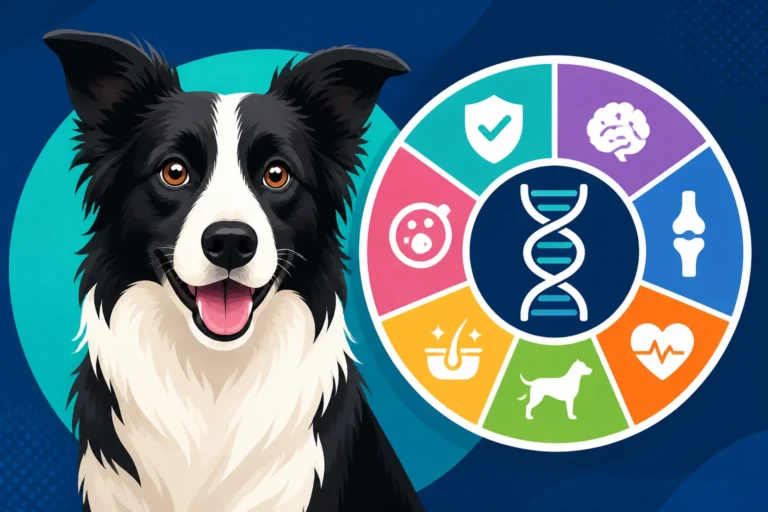
Secondly, it's not enough to simply "assume" your Border Collie is fine because their parents were fine, or because the breed generally has a lower incidence. While it's true that Why Border Collies Carry MDR1 Less Than Collies means the prevalence is lower, it doesn't mean zero. Genetic mutations are unpredictable without direct testing. The testing process itself is incredibly simple and non-invasive. Most reputable genetic testing labs offer an MDR1 test that involves a simple cheek swab. You collect a sample of your dog's saliva and cheek cells at home, mail it in, and await the results. It's painless, stress-free for your dog, and delivers invaluable information. Reputable laboratories like Washington State University's Veterinary Clinical Pharmacology Laboratory (VCPL), Embark, and Optimal Selection all offer accurate and reliable MDR1 testing as part of their comprehensive genetic panels. Knowing What a Full Border Collie DNA Panel Covers typically includes MDR1, along with many other important health screenings.
Interpreting Test Results and What They Mean
Once you've sent off your dog's cheek swab, you'll receive a report detailing their MDR1 status. Understanding these results is straightforward and gives you actionable information. The results will typically categorize your Border Collie into one of three statuses:
- Clear (N/N): This means your Border Collie has two normal copies of the MDR1 gene. They are not affected by drug sensitivity related to this mutation, and they cannot pass the mutated gene to any offspring. This is the ideal result for any dog. For these dogs, medications typically associated with MDR1 sensitivity can generally be used safely at standard doses, though all drugs still carry inherent risks.
- Carrier (N/MDR1 or +/-): A carrier has one normal copy and one mutated copy of the MDR1 gene. While they possess one faulty gene, their normal copy often produces enough functional P-glycoprotein to prevent overt clinical signs of drug sensitivity in most cases. However, some veterinarians still recommend caution, potentially using lower doses or alternative drugs, especially if other health issues are present. Carriers can pass the mutated gene to 50% of their offspring, making this status particularly important for breeding considerations. For a deeper dive into these classifications, you can check out Carriers, Affected and Clear on a Border Collie Panel.
- Affected (MDR1/MDR1 or -/-): This means your Border Collie has two mutated copies of the MDR1 gene. These dogs are highly susceptible to severe and potentially fatal adverse reactions from the drugs listed previously. For an affected dog, strict avoidance of contraindicated drugs and careful dosage adjustments for others are absolutely essential. They will pass a mutated copy to 100% of their offspring.
It's critical to understand that even if your dog is a carrier, certain situations (like very high doses of particular drugs) could still elicit a reaction, albeit often milder than in an affected dog. Therefore, if your dog tests as a carrier, it's still best to proceed with a heightened level of awareness and communicate this status clearly to every veterinarian your dog sees.
Managing an MDR1 Positive Border Collie's Health
Discovering your Border Collie has the MDR1 mutation can feel daunting, but it’s far from a death sentence. With proper management and a proactive approach, these dogs can live full, healthy lives. The key is knowledge, vigilance, and clear communication.
Communicating With Your Veterinarian
This is, without a doubt, the single most important action you can take. Your veterinarian is your partner in your Border Collie's health, and they need to be fully aware of your dog's MDR1 status.
As soon as you receive your dog's MDR1 test results, schedule a conversation with your vet. Bring the official report with you and ensure it is scanned and prominently added to your dog's permanent medical records. Don't be shy about asking them to flag your dog's file in their system with a visible alert for MDR1 sensitivity. This is especially important in larger practices where multiple vets or technicians might see your dog, or in an emergency situation where immediate decisions are made. A simple sticker or digital note can prevent a potentially life-threatening mistake. You can find more advice on this critical step in Telling a Vet a Border Collie Is MDR1 Affected.
Whenever your Border Collie needs medication, whether for a routine procedure, an injury, or an illness, always reiterate their MDR1 status. Be prepared to ask questions like: "Is this medication safe for an MDR1 affected dog?" or "Are there alternative medications we can use?" Your vet will likely already be aware of the issue, but a gentle reminder is always a good idea. Sometimes, dosage adjustments may be necessary, or they might recommend a completely different class of drugs that doesn't rely on the P-glycoprotein pump for elimination. You are your dog's best advocate, and proactive communication ensures their safety.
Safe Practices and Preventive Measures
Beyond direct veterinary communication, there are several practical steps you can take in your daily life to safeguard an MDR1 positive Border Collie.
Firstly, always double-check medications, even those you might consider benign or over-the-counter. What's safe for humans or other dog breeds isn't necessarily safe for an MDR1 affected Border Collie. Keep all human medications securely stored and out of reach, as accidental ingestion of something like Imodium could be fatal.
When it comes to heartworm prevention, this is an area that requires particular attention. While many heartworm preventatives contain ivermectin or similar drugs, they are typically at such low doses that they are generally considered safe even for MDR1 affected dogs. However, always confirm with your vet. Alternatives like milbemycin oxime (found in brands like Interceptor Plus or Sentinel) or moxidectin (like Advantage Multi/Advocate, which is a topical spot-on) are often preferred as they have a wider safety margin. If you're looking for specifics on this, Heartworm Prevention for an MDR1 Border Collie offers more detailed guidance. For flea and tick preventatives, most modern oral and topical options (e.g., Bravecto, NexGard, Simparica, Frontline) are generally considered safe, but again, always consult your vet, especially for newer products.
If you live on a farm or near livestock, be incredibly mindful of accidental ingestion of livestock medications. Many livestock dewormers contain high concentrations of ivermectin, which could be extremely dangerous if your Border Collie somehow gains access to them. Securely store all farm chemicals and medications.
Finally, consider the benefit of pet insurance. While a genetic condition like MDR1 itself, or reactions to it, might be considered pre-existing if diagnosed before coverage, a comprehensive pet insurance policy can still be invaluable for covering unexpected illnesses or injuries that are unrelated. Providers like Healthy Paws, for example, offer coverage for accidents and illnesses that can help manage the financial burden of veterinary care. While a pre-existing condition would be excluded, having a plan in place for a sudden cruciate tear or an unrelated illness can be a lifesaver. You can explore how policies might cover things like Annual Limits and Border Collie Cruciate Surgery for peace of mind. Discuss with potential providers what their policies are regarding genetic conditions and ensure you understand their terms fully before enrolling, ideally before any health issues arise. The aim is to mitigate future financial stress, allowing you to focus on your dog's care.
Breeding Considerations and the Future of MDR1 in Border Collies
The responsibility to address the MDR1 mutation extends beyond individual pet owners. For breeders, understanding and actively working to reduce the incidence of this gene is a critical part of ethical breeding practices.
Responsible Breeding Practices
The primary goal for any responsible Border Collie breeder should be to produce healthy puppies, and that includes ensuring they are not at risk for MDR1 drug sensitivity. This begins with testing all breeding stock. Every sire and dam used in a breeding program should have their MDR1 status confirmed through genetic testing. This isn't an optional extra; it's a fundamental part of producing healthy, viable puppies.
Once the results are in, breeders can make informed decisions. The ideal scenario is to breed two "Clear" (N/N) dogs, guaranteeing that all puppies will also be Clear. However, sometimes a valuable dog may be a carrier (N/MDR1). In such cases, a responsible breeder would never breed an N/MDR1 dog to another N/MDR1 dog, as this creates a 25% chance of producing affected (MDR1/MDR1) puppies. Instead, a carrier would only be bred to a proven Clear (N/N) dog. This pairing would produce a litter with a 50% chance of being Clear and a 50% chance of being carriers, but crucially, zero chance of producing affected puppies. The goal is to gradually phase out the mutated gene from the breeding lines, reducing the incidence of affected puppies over generations. This proactive approach ensures that future generations of Border Collies are healthier and less susceptible to this serious drug sensitivity. You can find related discussions on ethical breeding considerations in resources like Breeding Decisions Around Border Collie Collapse, which emphasizes responsible genetic stewardship.
Advancements in Veterinary Care and Awareness
The good news is that awareness of the MDR1 mutation has grown significantly within the veterinary community over the past decade. Most veterinarians today are familiar with the implications of MDR1 sensitivity, especially in breeds known to carry the mutation.
This increased awareness means that vets are more likely to ask about your dog's breed history and even suggest MDR1 testing if your Border Collie hasn't been tested. They are also more likely to have alternative medications or adjusted protocols ready for MDR1 affected patients. However, this doesn't diminish your role as an owner. You remain your dog's primary advocate, and clear communication, as discussed, is always paramount.
Ongoing research continues to deepen our understanding of this mutation and other genetic health concerns in Border Collies. Organizations and universities are constantly working to identify new genetic markers and improve diagnostic and treatment protocols. Your decision to test your Border Collie and communicate their status not only protects your individual pet but also contributes to the broader knowledge base, helping future dogs and owners. The collective effort of informed owners, dedicated breeders, and diligent veterinarians is what drives progress in canine health, ensuring that our beloved Border Collies can continue to thrive for many years to come.
Disclaimer
The information provided in this article is for general educational purposes only and is not a substitute for professional veterinary advice. Always consult with a qualified veterinarian for any health concerns or before making any decisions related to your Border Collie's medical care, diet, or treatment. Drug dosages and safety can vary, and only a veterinarian can provide advice tailored to your specific dog's needs.