How the Border Collie Got Its Name
The name "Border Collie" is so deeply ingrained in our minds that we often don't stop to think about where it actually came from. It's not just a label; it’s a living history, a geographical marker, and a testament to the incredible working spirit of these dogs. Many owners wonder if it simply means "a collie from the border," but there’s a much richer story there. This guide will take you on a journey through linguistics, geography, and canine history to uncover the fascinating origins of the Border Collie's distinctive name.
Unpacking the Term "Collie": A Historical Look
Before we can truly understand the "Border Collie," we have to peel back the layers and examine the word "Collie" itself. This isn't a modern invention; it's a term steeped in centuries of history, often used as a general descriptor long before specific breeds were formally recognized. Think of it as a broad category, like "hound" or "terrier," rather than a distinct breed with a pedigree.
The Ancient Roots and Linguistic Theories
The exact etymology of "Collie" is a bit like tracing paw prints in the sand – there are several theories, and while none are definitively proven, they all offer fascinating insights into the term's humble beginnings. One prevalent theory suggests it derives from the old Scottish word "colley," which referred to black-faced sheep. Given that many of the early working dogs were black or black and white, and worked extensively with these specific sheep, the connection seems quite logical. Imagine a shepherd calling out to his "colley dog," simply meaning his "black sheep dog."
Another theory links the word to "coalie," suggesting a dog as black as coal. Again, this points to the predominant colorings of these early working dogs. It makes sense that people would use straightforward, descriptive terms based on what they saw and what the dogs did. It wasn't about fancy breed names; it was about practical identifiers. The simple, direct nature of these potential origins speaks volumes about the no-nonsense world these dogs inhabited. They were tools, partners, and their names reflected that utility. You can read more about What Collie Meant Before the Border Collie.
Early Descriptions of the "Collie" Type
For centuries, before any official breed standards or kennel clubs existed, "collie" was a catch-all term for the loyal, intelligent, and highly capable sheepdogs found across the British Isles. These weren't uniform dogs by any stretch. They varied greatly in size, coat type, and color depending on the local needs and preferences of the shepherds. What united them was their innate ability to work stock. They were characterized by their keen intelligence, agility, and a strong desire to gather and control sheep.
These dogs were essential to the livelihood of farmers and crofters, living tough lives alongside their human companions. Their worth was measured not by their appearance in a show ring, but by their prowess on the hillsides and in the fields. A "collie" was simply a dog that herded, a dog that knew its job and performed it tirelessly. The idea of a standardized "collie" breed was still a distant concept; the focus was entirely on function over form.
Sheepdogs of the Anglo-Scottish Borderlands: Before the "Border"
The region where the "Border" Collie truly began to differentiate itself is, unsurprisingly, the Anglo-Scottish border. This rugged, often unforgiving landscape was a melting pot of cultures, conflicts, and, crucially, a hub for sheep farming. The dogs here developed unique traits born out of necessity, long before they were ever given a formal breed name.
The Diverse Working Dogs of the Region
Prior to the late 19th and early 20th centuries, there wasn't a single, universally recognized "Border Collie." Instead, the Anglo-Scottish border region was home to a variety of highly skilled working dogs, each adapted to its local conditions and the specific type of sheep it handled. These dogs were often referred to by their geographic origin, like "Scotch Collies," "Welsh Collies," or simply "shepherd's dogs." There was a fluid exchange of bloodlines as shepherds sought to improve their working stock, often traveling to find the best dogs to breed from.
This informal breeding meant that while there was a shared genetic pool and a common purpose, there wasn't a strict "breed type" in the modern sense. What mattered most was the dog's ability to work, its intelligence, biddability, and stamina. A dog's value was measured in its practical skills, not its conformity to an aesthetic standard. This period laid the groundwork for the eventual consolidation of traits that would define the Border Collie.
The Harsh Landscape and Demanding Work
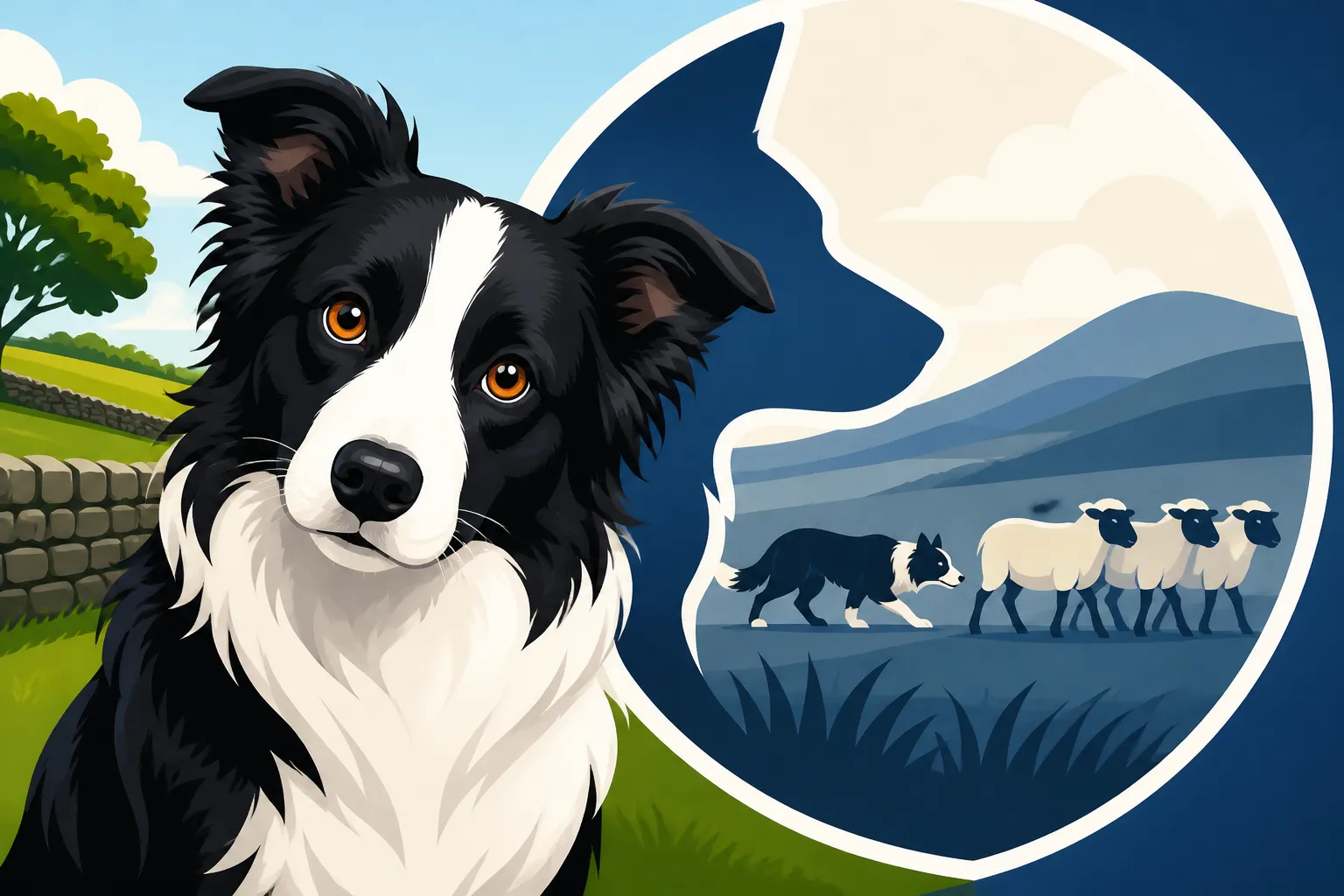
The border country, as it's often called, is a land of rolling hills, unpredictable weather, and often scattered, hardy sheep. The Border Country That Produced the Border Collie demanded a very specific kind of dog – one that was tough enough to withstand the elements, intelligent enough to understand complex commands and make independent decisions, and tireless enough to work long hours over vast distances. Shepherds couldn't afford a dog that lacked stamina or focus.
The sheep themselves were often semi-feral, requiring a dog with intense "eye" and the ability to control them without being overly aggressive. This environment naturally selected for dogs with exceptional herding instinct, an intense gaze, and a powerful, low-to-the-ground working style. These were not dogs bred for beauty or companionship, but for sheer utility and survival in a demanding agricultural setting. The characteristics we admire in Border Collies today were forged in the crucible of this challenging landscape and the arduous work it required. You can imagine What Shepherds on the Border Needed From a Dog in such a place.
The Game Changer: Old Hemp's Influence
If there's one dog universally credited with shaping the Border Collie into the dog we know today, it's Old Hemp. His impact was so profound that virtually every Border Collie alive today can trace its lineage back to him. He wasn't just a good worker; he was a revolutionary, changing the very definition of what a sheepdog could be.
Old Hemp, Born in Northumberland in 1893
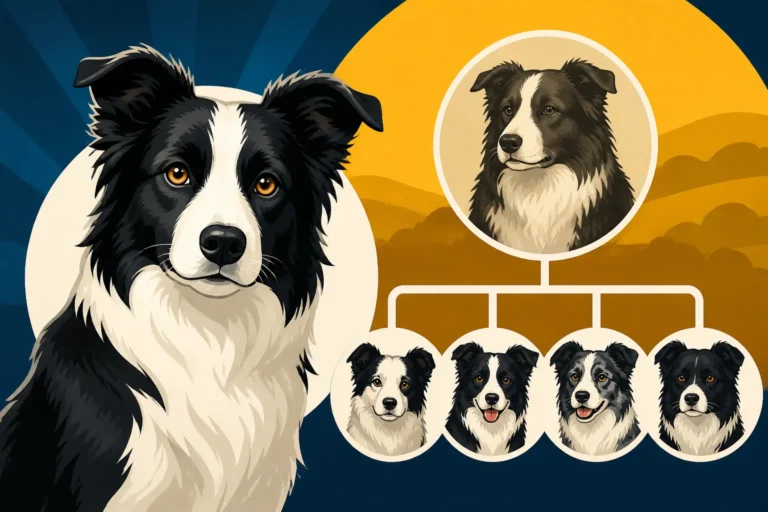
Imagine a small, tri-colored dog born in Northumberland, England, in 1893. This was Old Hemp. His sire, a quiet, strong-eyed dog named Roy, and his dam, a lively, outgoing dog named Meg, produced a pup with a truly unique combination of traits. Hemp possessed an unparalleled "eye"—a captivating, intense stare that could control sheep with minimal physical force. Crucially, he did this with a calm demeanor, rather than the frantic barking and chasing common among other working dogs of his time.
He was a natural, showing an incredible aptitude for herding from a very young age. His method was so effective, so quiet, and so powerful that it stood in stark contrast to the more traditional, often rougher, styles. Shepherds quickly noticed his extraordinary abilities, and he soon became the most sought-after stud dog in the region. His birth was a pivotal moment, marking the beginning of a new era for working sheepdogs. For more about this foundational dog, check out Old Hemp, Born in Northumberland in 1893.
How Old Hemp's Style Became the Standard
Old Hemp's working style was a revelation. Instead of rushing and barking, he used his intense gaze and subtle body language to move sheep. He was a master of the "strong eye," holding the sheep with his presence, allowing a shepherd to guide them with precision. This quiet, controlled approach was incredibly efficient and less stressful for the sheep, making him invaluable on the farm. His calm but firm disposition meant he was easy to work with and highly effective.
He sired over 200 puppies in his lifetime, and his offspring inherited his exceptional herding intelligence and distinctive working style. As these "Hemp-type" dogs spread across the border country, their quiet, thoughtful herding became the gold standard. His influence was so pervasive that his style effectively became the blueprint for the modern Border Collie. His impact extended beyond just his direct progeny; even dogs not directly related to him began to be judged against his standard of work. It truly showed How Old Hemp Worked Differently From Other Dogs.
The International Sheep Dog Society and the Need for Distinction
The late 19th and early 20th centuries saw a growing interest in competitive sheepdog trials. These events showcased the incredible skill of both dogs and handlers, but they also highlighted a problem: how do you judge and categorize these diverse "collie" types fairly? This challenge ultimately led to the formalization of what we now call the Border Collie.
Why the ISDS Was Founded in 1906
The popularity of sheepdog trials surged dramatically after the first recorded trial in 1873. These competitions brought together shepherds and their dogs from across the British Isles, each demonstrating their unique working styles. However, with this growing popularity came a need for standardization. How could judges compare a fast, barking Welsh Collie to a quiet, strong-eyed dog from the Borders? The variety was immense.
In response to this, the International Sheep Dog Society (ISDS) was founded in 1906. Its primary goal was to promote and regulate sheepdog trials, and crucially, to maintain the working integrity of the sheepdog. The ISDS understood that if these dogs were to continue as premier working animals, their breeding needed to prioritize skill and instinct over mere appearance. They wanted to ensure that the qualities that made these dogs exceptional in the field were preserved and enhanced. You can learn more about Why the ISDS Was Founded in 1906.
Defining "Collie" in a Sea of Sheepdogs
One of the biggest challenges for the newly formed ISDS was to define what, exactly, constituted the "best" type of sheepdog for their trials. "Collie" was still a generic term, encompassing a wide range of dogs, many of which were evolving into distinct breeds for other purposes, like the show-ring Rough Collies. The ISDS was keenly aware that if they didn't define their working dogs, the unique traits essential for herding might be lost to aesthetic trends.
The dogs from the Anglo-Scottish border region, largely influenced by Old Hemp, consistently excelled in the trials due to their intelligence, biddability, and intense herding "eye." These dogs represented the pinnacle of working ability. The ISDS began to register dogs based on their proven working ability, rather than just their pedigree, effectively creating a working registry. This focus on performance was critical in distinguishing the true working collie from others.
| Feature | Early "Collie" Type (Pre-1900) | Border Collie (Post-ISDS) |
|---|---|---|
| Origin | Various parts of British Isles | Primarily Anglo-Scottish Border |
| Primary Selection | Local needs, individual working ability | Proven working ability in trials (ISDS) |
| Appearance Standard | Highly diverse, often regional variations | Less emphasis on strict aesthetics; function first |
| Working Style | Varied; could be vocal, more physical | Characterized by "eye," quiet control |
| Genetic Influence | Mixed local lines | Strong influence from dogs like Old Hemp |
| Formal Recognition | Generic "sheepdog" or "collie" | Specific "Border Collie" breed name |
| Purpose | Primarily farm work | Farm work & competitive sheepdog trials |
James Reid and the Naming of the "Border Collie"
With the ISDS established and a clear type of working dog emerging as dominant in trials, the stage was set for a formal designation. It was time for these exceptional dogs to receive a name that truly encapsulated their origin and purpose.
When the Term Border Collie Was First Used
The specific designation "Border Collie" is attributed to James Reid, the first Secretary of the International Sheep Dog Society (ISDS). In 1915, Reid, keen to distinguish the breed that was consistently winning the sheepdog trials from other types of collies (like the Rough Collie, which was by then becoming a popular show dog), officially coined the term. It was a practical decision, made out of necessity to clearly identify the working sheepdog of the Anglo-Scottish border.
This wasn't just about giving a name; it was about solidifying an identity. The dogs that traced their lineage through Old Hemp, the ones excelling at trials, needed a way to be identified and protected. This naming act gave the breed a distinct place, recognizing its unique history and purpose. It was a formal acknowledgment of what shepherds had known for generations – that the dogs from this particular region were special. For an in-depth look at this moment, you'll want to check out James Reid and the Name Border Collie in 1915.
Why "Border" Was Chosen
The inclusion of "Border" in the name was a straightforward yet incredibly significant geographical marker. It firmly rooted the breed in its place of origin: the Anglo-Scottish border region. This wasn't just a random area; it was the cradle of the breed, where its defining characteristics were honed over centuries of demanding work. By adding "Border," Reid underscored the fact that these were the collies from that specific, important region, distinguishing them from other "collie" types found elsewhere in Britain.
This geographical specificity served several crucial purposes. Firstly, it differentiated them from other collie breeds that were developing, such as the Scottish Collie (Rough Collie) and the Welsh Collie. Secondly, it emphasized the unique environment and working conditions that had shaped these dogs into unparalleled herders. The name was a badge of honor, declaring their heritage and their specialized role. It anchored their identity firmly in the rugged hills and dales where their ancestors had worked sheep for generations.
The Name as a Reflection of Identity and Purpose
The name "Border Collie" is more than just a label; it's a statement of identity, reflecting the breed's working heritage, intelligence, and the values upheld by those who cherish these dogs for their original purpose. It embodies the essence of what makes a Border Collie a Border Collie.
Upholding the Working Heritage
For many enthusiasts, particularly those involved in working sheepdogs, the "Border Collie" name serves as a constant reminder of the breed's primary purpose. It's about more than just intelligence; it's about the application of that intelligence in a demanding, dynamic work environment. The ISDS, and dedicated breeders worldwide, have always emphasized keeping the breed true to its roots as a working dog. This means prioritizing traits like herding instinct, biddability, stamina, and problem-solving ability over conformational aesthetics.
The name itself helps reinforce this distinction, especially in discussions about The Working and Show Split in Border Collies. It's a nod to the shepherds who selectively bred these dogs for performance, not for ribbons in a show ring. When you say "Border Collie," you're evoking images of windswept hills, keen-eyed dogs, and the age-old partnership between human and canine to manage livestock. It represents a commitment to preserving an ancient skill and a formidable genetic legacy.
The Border Collie Against Other Herders
The "Border" in Border Collie isn't just about geography; it's also about a distinct set of characteristics that set this breed apart from other herding dogs. While many breeds can herd, the Border Collie's intensity, "eye," and ability to work with incredible precision and distance are often considered unparalleled. This is What Separates a Border Collie From Every Other Herder. Other herding breeds, like Australian Shepherds or German Shepherds, might herd differently, often relying more on barking, nipping, or larger physical presence. The Border Collie’s hallmark is that quiet control, the power of its gaze, and its incredible responsiveness to subtle commands.
This differentiation is crucial for understanding why these dogs are often considered "the smartest dog breed" – a title earned through their complex problem-solving on the field and their ability to learn an astounding number of commands, a phenomenon exemplified by famous dogs like Chaser. The name helps solidify their reputation as the quintessential herding dog, a testament to centuries of breeding for an unmatched ability to move and control livestock. When people talk about needing a serious herding partner, the name "Border Collie" immediately comes to mind, signifying a dog of extraordinary talent and dedication. When searching for supplies for these active dogs, many turn to online retailers like Chewy, knowing they need products to support high energy and intelligent minds.
The Name's Global Journey and Modern Relevance
From the rugged hills of the Anglo-Scottish border, the Border Collie's name and reputation spread across the globe, carried by enthusiastic handlers and their exceptional dogs. Today, the name continues to represent excellence in the canine world, even as the breed adapts to new roles and environments.
Spreading the Name: Border Collies Abroad
As the fame of the working Border Collie grew, particularly through the successes at ISDS trials, these dogs began to be exported to other countries. Shepherds and farmers in places like Australia, New Zealand, Canada, and the United States recognized the superior working qualities of these "Border" dogs. They sought them out specifically to improve their own working stock, bringing the name and the breed's reputation with them.
The name "Border Collie" was thus transplanted onto new continents, where it continued to signify a dog of exceptional herding prowess. It was a brand, of sorts, indicating a certain quality and capability. As these dogs became established in new lands, their influence became indelible, and the name stuck, a tribute to their British origins and their unparalleled skill. Enthusiasts around the world, whether they're buying specialized food or toys, can readily find what they need for their Border Collies from major pet suppliers like Chewy.
The Name in a Changing World
Today, while many Border Collies still work livestock, an increasing number live in active pet homes, participating in dog sports like agility, obedience, and flyball. Even in these contexts, the name "Border Collie" evokes a dog that is intelligent, driven, and requires significant mental and physical engagement. The historical context embedded in their name continues to inform how owners approach their care and training.
The legacy of the "Border" and the "Collie" continues to shape perceptions of the breed. It reminds us that these are not just ordinary pets; they are descendants of master craftsmen, bred for generations to perform complex tasks. The name is a heritage, a warning, and a promise—a promise of an intelligent, capable companion, but also a warning that such a dog demands a dedicated, understanding owner who can fulfill its deep-seated drive. This enduring legacy is why it's so important to understand the full story behind How the Border Collie Got Its Name. It provides a framework for appreciating the breed's capabilities and respecting its profound history, and recognizing that their enduring popularity means finding things like specialized training aids and high-quality nutrition is easier than ever, thanks to brands readily available at retailers like Chewy.
Disclaimer
This article is for general informational purposes only and does not constitute professional advice. Laws, prices and regulations vary by location and change over time. Consult a qualified professional for guidance on your specific situation.