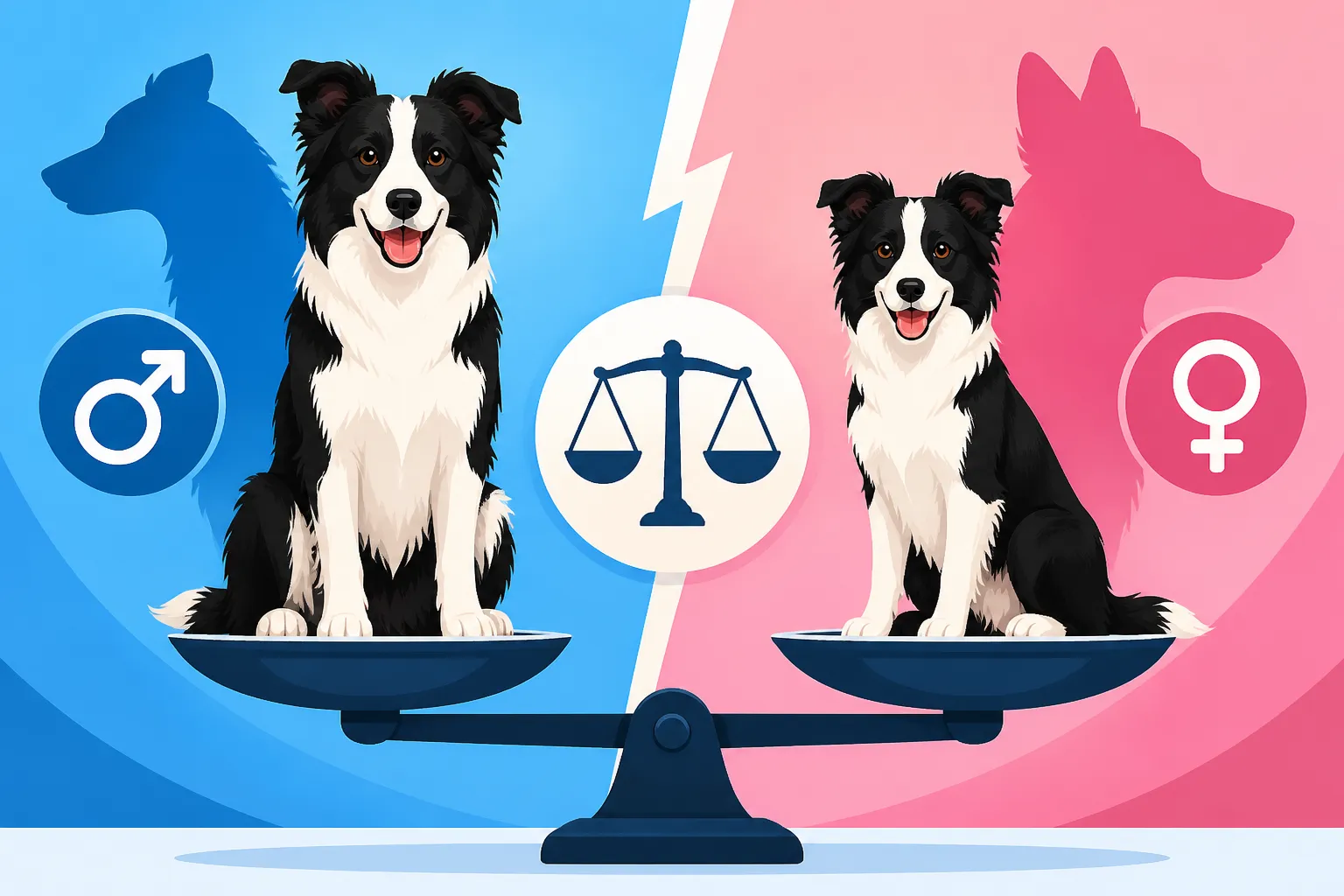
What a Male Border Collie Weighs Against a Female
When you're bringing a Border Collie into your life, or even just admiring them from afar, it's natural to wonder about their physical presence. There’s a noticeable difference in size between male and female Border Collies, and understanding these distinctions isn't just about curiosity; it helps you better prepare for their care, nutrition, and even their working potential. This guide will walk you through the typical weight and size characteristics for both sexes, delve into the nuances that influence their build, and explain why these differences truly matter for a happy, healthy Border Collie life.
Understanding the Border Collie Build
Border Collies are renowned for their incredible athleticism and boundless energy, traits that are intrinsically linked to their physical structure. They aren't built for bulk; rather, their conformation is all about agility, endurance, and efficiency in movement. This breed was developed to work long days on varied terrain, herding sheep with remarkable precision and stamina.
The Athletic Standard of the Breed
At their core, Border Collies are a medium-sized breed, but their appearance is often described as lithe and powerful. The breed standard, whether from working registries like the ABCA or kennel clubs, emphasizes functionality over exaggerated features. You won't find excessive bone or heavy musculature in a truly functional Border Collie; instead, you'll see a balanced, well-proportioned dog capable of quick turns, explosive bursts of speed, and sustained effort. Think of a marathon runner rather than a weightlifter. This athletic build is crucial for their working ability, allowing them to cover ground effortlessly and maintain focus on their stock. For a deeper dive into these specifics, you might find The Athletic Build a Border Collie Standard Describes insightful.
Factors Influencing Overall Size
While sex is a primary determinant of size, it's certainly not the only one. Genetics play a massive role, with lines specifically bred for working often appearing slightly different from those focused on conformation. Nutrition during crucial growth phases, the general health of the dog, and even the amount of exercise they receive can all subtly influence their final adult size and weight. A Border Collie from a long line of robust farm dogs might mature into a slightly larger individual than one from a more refined agility lineage, for example. Breeders often have a good sense of the typical size range their puppies will fall into based on the parents and grandparents. You might also notice slight variations depending on the dog's geographical origin, although the general athletic type remains consistent. When considering a puppy, it's always wise to look at the size of both parents to get a reasonable expectation of your future dog's adult proportions.
Male Border Collie Weight and Characteristics
Male Border Collies, on average, tend to be both taller and heavier than their female counterparts. This dimorphism is common across many dog breeds, and in the Border Collie, it contributes to their generally more commanding presence. They often have a more rugged, robust appearance, which is typically desired in a working male.
Average Weight and Height for Males
A healthy, well-conditioned adult male Border Collie typically weighs between 30 to 45 pounds (approximately 13.6 to 20.4 kg). In terms of height, they usually stand between 19 to 22 inches (about 48 to 56 cm) at the shoulder. It's important to remember these are averages, and individual dogs can fall slightly outside these ranges without being considered unhealthy. A very active, lean working male might be on the lower end of the weight scale for his height, while a pet male with a slightly less intense exercise regimen might carry a few extra pounds within a healthy range. What truly matters is their body condition – you should be able to feel their ribs easily, but not see them prominently, and they should have a discernible waist when viewed from above. Maintaining this ideal weight is vital, as discussed in Keeping a Border Collie Lean Enough to Work.
The Male's More Robust Frame
Beyond just raw numbers, male Border Collies often possess a more substantial bone structure and greater muscle mass. This translates to a dog that feels more "solid" when you handle them. Their heads can be a bit broader, their chests deeper, and their overall build more powerful. This isn't to say they are less agile; quite the opposite. This additional musculature provides the strength and power needed for sustained bursts of speed and the ability to maneuver livestock effectively. When watching them work, a male Border Collie might appear to cover ground with a more forceful stride compared to a female, though both are incredibly efficient. This robustness can also influence their general demeanor, as some male Border Collies might have a slightly bolder presence, though temperament is highly individual.
Female Border Collie Weight and Characteristics
Female Border Collies, while still incredibly athletic, generally present a more refined and often more elegant silhouette than males. They possess the same intense focus and drive, but their physical frame is typically lighter and smaller.
Average Weight and Height for Females
For an adult female Border Collie, the average weight typically ranges from 25 to 38 pounds (approximately 11.3 to 17.2 kg). Their height at the shoulder usually falls between 18 to 21 inches (about 46 to 53 cm). As with males, these are guidelines. A larger female from a substantial working line might push the upper limits, while a particularly petite female could be on the lower end. The key is their athletic condition. They should be lean, with good muscle tone, and certainly not overweight. For more context on these breed standards, you can refer to The Height and Weight a Border Collie Standard Sets. A well-fed female Border Collie with good nutrition from a brand like Purina Pro Plan Sport or Eukanuba Premium Performance from a reputable retailer like Chewy will still maintain her lean, agile build.
The Female's Finer Bone Structure
Female Border Collies often exhibit a finer bone structure, which contributes to their lighter appearance. Their heads might be narrower, and their bodies generally less deep in the chest than males. This isn't a weakness; rather, it’s a characteristic that lends itself to exceptional agility and quickness. Many handlers will tell you that a well-built female can be incredibly fast and nimble, often making her an excellent choice for dynamic sports like agility or for working challenging stock that requires rapid changes in direction. While a male might rely more on brute strength to hold a line, a female might use her speed and precision. Understanding this difference can sometimes inform decisions about breeding, as discussed in Whether Working Lines Produce a Bigger Border Collie.
Why Weight and Size Matter (Beyond Bragging Rights)
Understanding the typical weight and size for a male versus a female Border Collie goes far beyond simple statistics. These differences have tangible implications for their health, training, daily care, and even their suitability for various activities.
Impact on Health and Performance
The old adage that "a lean dog is a healthy dog" holds particularly true for Border Collies, regardless of sex. However, the exact ideal weight will differ. An overweight Border Collie, whether male or female, is at a significantly higher risk for joint issues like hip and elbow dysplasia, as well as cruciate ligament tears, which are common sport injuries. The extra strain on their joints can lead to premature osteoarthritis and a shortened working life. Hip and Elbow Scores in a Border Collie highlights the importance of good joint health. Conversely, an underweight Border Collie may lack the stamina and muscle mass needed for sustained work or sport.
For performance, a dog's weight-to-power ratio is critical. A male Border Collie, with his naturally larger frame and muscle, might excel at tasks requiring more physical presence or sustained power. A female, with her lighter and often quicker build, might have an edge in intricate, fast-paced maneuvers. Both are incredible athletes, but their slightly different physiques can lend themselves to different strengths. Ensuring they maintain their ideal body condition is paramount for their longevity and ability to perform their duties or excel in their chosen sport.
Nutrition and Exercise Considerations
Because male Border Collies are typically larger, they generally require more calories than females to maintain their body weight and energy levels, especially if they are highly active. A male Border Collie working a full day on the farm or competing in high-level agility may need a performance diet with higher fat and protein content to meet his energy demands. Brands like Eukanuba and Purina offer performance lines tailored for such active dogs, often available through retailers like Chewy. You can learn more about this in Feeding a Border Collie That Works Two Hours a Day.
Females, while requiring less food than males, still need a high-quality, balanced diet to support their energy output. It’s a delicate balance; you don't want to underfeed, but overfeeding can quickly lead to weight gain that puts stress on their smaller frames. Regular monitoring of their body condition is key. Likewise, while both sexes need significant exercise and mental stimulation, the intensity and duration might be subtly adjusted based on their individual size, stamina, and build. For example, some owners might find their larger males take slightly longer to "burn off" energy, while their females might be satisfied with shorter, more intense bursts of activity. The general guideline is that a fit Border Collie will always need more, not less, exercise, as detailed in Why a Fitter Border Collie Needs More.
Practicalities for Owners
The size difference between male and female Border Collies can have practical implications for owners, often affecting daily logistics and choices.
For instance, a larger male Border Collie might need a bigger crate for comfortable travel or resting at home. Car crates, especially those suitable for larger breeds, can be a significant investment, and sizing correctly is important for safety and comfort. You might also find that larger males require slightly larger beds or more space in the back of a vehicle for transport.
When it comes to gear, harnesses, collars, and coats will naturally need to be sized appropriately. While a small female might wear a medium-sized harness, a large male could easily require an extra-large. Even simple things like toys might be impacted; a larger male might be more prone to destroying smaller, less robust toys, necessitating a switch to more durable options, which are readily available from online pet supply stores like Chewy.
Furthermore, if you live in a multi-dog household, understanding the typical size differences can help you manage interactions, especially during play, ensuring that smaller females aren't unintentionally overwhelmed by larger, more boisterous males.
Here's a quick overview of the typical differences:
| Feature | Male Border Collie | Female Border Collie |
|---|---|---|
| Weight | 30-45 lbs (13.6-20.4 kg) | 25-38 lbs (11.3-17.2 kg) |
| Height | 19-22 inches (48-56 cm) at shoulder | 18-21 inches (46-53 cm) at shoulder |
| Build | Generally more robust, heavier bone, greater muscle | Generally more refined, finer bone, slightly lighter |
| Head | Often broader | Often narrower |
| Chest | Typically deeper | Typically less deep |
| Energy | High, requires significant physical and mental work | High, requires significant physical and mental work |
| Nutrition | Higher caloric needs on average, especially if working | Slightly lower caloric needs on average |
Ultimately, while there are clear average differences in weight and size between male and female Border Collies, both sexes embody the breed's incredible intelligence, drive, and athleticism. Choosing between a male or female should primarily come down to individual temperament, your lifestyle, and the specific dog's personality, rather than solely relying on size. However, knowing these physical distinctions can certainly help you anticipate and meet their needs more effectively throughout their active and vibrant lives.
Disclaimer
This article is for general informational purposes only and does not constitute professional advice. Laws, prices and regulations vary by location and change over time. Consult a qualified professional for guidance on your specific situation.