The Wobbling Gait a Collapsing Border Collie Shows
Seeing your normally vibrant, unstoppable Border Collie suddenly develop a wobbly gait after a session of intense activity can be incredibly alarming, leaving you confused and worried about what exactly is happening to your beloved dog. This guide is here to walk you through understanding the specific wobbling gait associated with Border Collie Collapse (BCC), explaining why it happens, what triggers it, and most importantly, what immediate and long-term steps you can take to help your dog.
Understanding the Distinctive Wobbling Gait of Border Collie Collapse
That moment when your focused, driven Border Collie, who was just tearing across the field or nailing an agility course, suddenly starts to look… off. It’s not just fatigue, it’s a specific kind of disorientation and unsteadiness that can be terrifying to witness. This isn't just a tired flop; it's a profound, sudden change in their motor control, specifically in their hind limbs, but often affecting their entire coordination.
The Initial Signs: From Drive to Disorientation
Imagine your Border Collie, say, a beautiful tri-color named Skip, working sheep with intense focus. He's been at it for maybe 10-15 minutes, doing everything you ask. Then, as he's bringing the flock to you, you notice a subtle hitch in his step. It's almost imperceptible at first, like he's just stumbled over a hidden rut, but then it becomes more pronounced. This isn't just him being clumsy; it’s a direct shift from peak performance to the onset of neurological distress. Owners often report that the dog seems to lose its "edge" or its characteristic intensity right before the physical symptoms become obvious. The keen "eye" might soften, and their incredible focus might waver as the initial stages of collapse begin to set in. You might even notice a subtle change in their mental state, a slight daze, before the true physical symptoms become undeniable.
This transition from intense work to distress is a hallmark of Border Collie Collapse and can be really unsettling because it's so unexpected and swift. One minute they're a picture of canine athleticism, the next they're struggling. For more on the typical progression, you might want to read our article on What a Border Collie Collapse Episode Looks Like.
What the Wobble Actually Looks Like
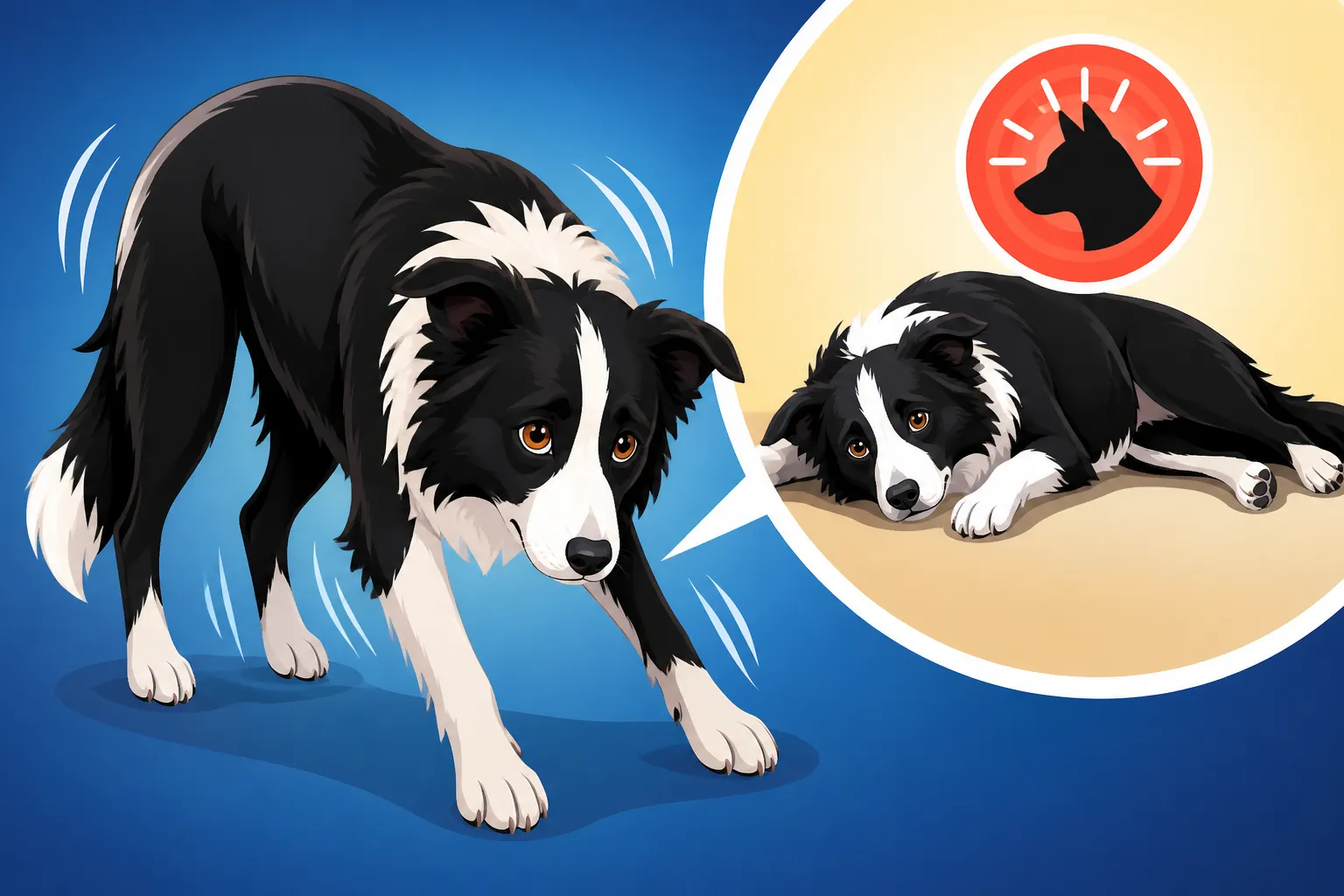
When we talk about the "wobbling gait" in Border Collie Collapse, we're not describing a simple limp or a slight misstep. This is a very particular presentation, often characterized by a pronounced incoordination, especially in the hind limbs, that can sometimes spread to all four legs. Picture Skip, again, but now the wobble is undeniable. His hind legs might cross over each other as he tries to walk, or they might splay out wide. He looks like he's walking on ice, even on solid ground.
His back end might sway from side to side, almost like a drunken stagger, even if his front end still seems relatively normal, though that too can become affected. The term "ataxia" is often used by vets to describe this kind of uncoordinated movement, and it’s a clear sign that something is amiss with his neurological function, not just muscle fatigue. The gait might be described as "goose-stepping" or exaggerated, as if he's trying to overcompensate for the lack of control. Sometimes, their entire body can seem to seize up slightly or become stiff, further impairing their ability to move fluidly. It’s a very distinct, almost floppy, and weak-looking walk that quickly escalates to the dog needing to lie down, as they simply cannot maintain their balance. This particular wobbling gait is a key diagnostic indicator when trying to discern BCC from other conditions.
Why Your Border Collie's Legs Go Wobbly During Collapse
The wobbly gait of Border Collie Collapse isn't a mystery anymore, though it certainly was for many years, leading to a lot of frustration for owners and vets alike. We now understand that it’s not just extreme exhaustion or heatstroke, as was once commonly believed. Instead, it points to a complex neurobiological dysfunction triggered by intense activity.
The Neurobiological Underpinnings of BCC
At the heart of Border Collie Collapse lies an issue with how the brain and nervous system communicate, particularly during prolonged or high-intensity exercise. Research, notably from institutions like the University of Minnesota, has pointed towards a genetic predisposition that affects the central nervous system's ability to regulate muscle function and energy metabolism during strenuous activity. It’s not about the muscles themselves failing due to fatigue, but rather the signals from the brain telling those muscles what to do becoming jumbled or interrupted.
When a Border Collie with BCC is pushed hard, especially with high-drive activities, their brain struggles to maintain normal neurotransmitter function and energy supply to the motor control centers. This results in a temporary disruption of nerve impulses, leading to the characteristic loss of coordination, especially in the hind limbs. Think of it like a computer system overloading – the hardware (muscles) is fine, but the software (brain commands) is glitching out. The brain isn't sending clear, consistent messages to the legs, causing that distinctive wobbly, uncoordinated movement. This process is distinct from conditions where muscles themselves are damaged or unable to function. It’s a brain-body communication breakdown under stress. For more on the specifics of the condition, our article Border Collie Collapse and What Sets It Off offers a deeper dive.
Distinguishing BCC from Other Neurological Issues
It’s crucial to understand that while the wobbly gait is a hallmark of BCC, other conditions can also cause similar symptoms. This is where a proper veterinary diagnosis is absolutely paramount. For instance, sometimes a wobbly gait can be mistaken for a seizure, but there are distinct differences. In a true seizure, you often see full body convulsions, loss of consciousness, uncontrolled urination or defecation, and a long post-ictal (post-seizure) phase of confusion and disorientation. With BCC, while the dog is disoriented and uncoordinated, they usually remain conscious and responsive to their owner, though they might appear glazed over. Our detailed comparison in Telling Border Collie Collapse From a Seizure can help clarify these distinctions.
Another possibility vets consider is orthopedic issues, like hip dysplasia, or even injuries like a cruciate tear. However, these typically manifest as lameness or pain, not the bilateral, neurological ataxia seen in BCC. Metabolic issues, such as severe electrolyte imbalances or hypoglycemia (low blood sugar), can also cause weakness and wobbling, but these are often ruled out through blood tests. A good veterinarian will conduct a thorough physical and neurological exam, and potentially blood work, to pinpoint the exact cause. It’s also important to rule out conditions like heatstroke, which can present with disorientation and weakness, but often includes excessive panting, bright red gums, and a very high body temperature, which are not primary symptoms of BCC. Understanding these differences is vital for effective treatment.
Common Scenarios That Trigger the Unsteady Gait
For many Border Collie owners, the frustration often stems from the unpredictability of these episodes. One day, a certain activity is fine; the next, it triggers the dreaded wobble. However, there are common threads, mostly revolving around specific types of activity and environmental factors.
Intense Exercise and Repetitive Tasks
This is arguably the most common and well-documented trigger for Border Collie Collapse. It's not just any exercise, but often high-intensity, repetitive activities that demand peak physical and mental output. Think about a game of fetch that goes on for 20-30 minutes non-stop, where your Border Collie is sprinting, stopping abruptly, and launching themselves after a ball or disc. Or perhaps a demanding agility course with multiple weaves, jumps, and tunnels. Sheepdog trials, where dogs are working large groups of sheep over long distances and varied terrain, are another classic trigger.
Many owners report that their dog might be perfectly fine for the first 10-15 minutes of such an activity, and then the wobble suddenly appears. It’s not a gradual fatigue but a switch being flipped. This is why it’s sometimes referred to as "exercise-induced collapse." The body's demand for neurological regulation during these intense bursts overwhelms the compromised system in a genetically predisposed dog. It's especially prevalent in dogs that are highly driven and possess an incredible work ethic, almost to their detriment, because they push themselves past what their system can neurologically handle. Our article on Repeated Ball Retrieving and Border Collie Collapse delves deeper into why these specific activities are so problematic.
High Excitement and Environmental Stressors
Beyond just physical exertion, emotional and environmental factors play a significant role. Imagine Skip, at a bustling dog show or a crowded park, surrounded by new sights, sounds, and other dogs. Even before he starts an event, the sheer excitement and anticipation can elevate his stress hormones. When that mental arousal is coupled with physical activity, it creates a perfect storm for a BCC episode. The adrenaline rush and heightened state of mind seem to contribute to the neurochemical imbalance that leads to collapse.
Changes in weather, particularly high humidity or rising temperatures, can also exacerbate the risk, even if it's not the primary cause like in heatstroke. While Why Overheating Does Not Explain Border Collie Collapse is crucial to understand, environmental heat can certainly be a contributing factor by adding physiological stress. For example, a dog that might tolerate a 20-minute fetch session on a cool morning could collapse after 10 minutes on a hot, humid afternoon. The combination of environmental stress and high-intensity work is something that handlers and owners must be acutely aware of, especially those participating in competitive events or working their dogs on farms.
Responding Effectively When Your Border Collie Whips Out the Wobble
When you see that tell-tale wobbling gait, it’s natural to panic. But staying calm and knowing exactly what to do can make all the difference in helping your Border Collie recover safely and quickly.
Immediate Steps to Take During an Episode
The very first thing you need to do is stop all activity immediately. This means calling off the fetch game, ending the training session, or pulling your dog from the agility course. Do not try to make them "push through" it, as this can worsen the episode. Lead or carry your dog to a quiet, cool, and shaded area. This is not the time for more stimulation.
Once settled, monitor your dog's breathing and body temperature. While BCC isn't heatstroke, ensuring they're not overheating is still important for their comfort and general well-being. Offer small amounts of water, but don't force it, especially if they're still disoriented. Many dogs with BCC will start to recover their coordination and awareness within 5-30 minutes of rest. The duration can vary, but generally, they bounce back much quicker than from a severe injury or true seizure. It’s helpful to understand How Long a Border Collie Takes to Come Right Again after an episode. During this recovery period, observe them closely for any other unusual symptoms. A quick table can summarize these immediate actions:
| Step | Description |
|---|---|
| 1. Cease Activity Immediately | Stop whatever your Border Collie is doing. Do not encourage them to continue or try to walk it off. Remove them from the stimulating environment. |
| 2. Seek Cool, Quiet Rest | Move your dog to a cool, shaded, and calm location. Avoid loud noises, other dogs, or excited people. A car with air conditioning or a quiet corner of a room is ideal. |
| 3. Offer Water (Do Not Force) | Once they're calmer, offer fresh, cool water in small amounts. Ensure they can drink without choking. |
| 4. Monitor & Observe | Stay with your dog. Observe their breathing, gum color, body temperature (if you have a thermometer), and the return of their coordination. Note down the time the episode started and how long it took for them to return to normal. |
| 5. Avoid Further Exertion | Once recovered, do not immediately resume intense activity. A quiet walk or leashed potty break is fine, but intense work should be avoided for the rest of the day, possibly longer. |
When to Seek Veterinary Attention
Even if your Border Collie seems to recover completely from a wobbly episode, a visit to the vet is highly recommended, especially if this is their first episode or if the symptoms are more severe or prolonged than usual. It’s essential to get a definitive diagnosis to rule out other serious conditions that might mimic BCC, as discussed earlier. Your vet will perform a thorough examination, possibly including neurological assessments, blood tests, and potentially imaging, to ensure there's nothing else at play.
If the collapse is accompanied by other alarming symptoms like loss of consciousness, uncontrolled urination or defecation, prolonged disorientation, severe muscle tremors, or signs of extreme pain, then it becomes an emergency. In such cases, contact your veterinarian immediately or head to the nearest emergency veterinary clinic. It’s always better to be safe than sorry. Having a robust pet insurance plan, like one from Healthy Paws, can really alleviate the financial stress of these unexpected emergency vet visits and diagnostic tests, allowing you to make the best decisions for your dog without worrying about the bill.
Long-Term Management for a Border Collie Prone to Wobbly Episodes
Discovering your Border Collie is prone to collapse can be disheartening, especially when their entire being seems wired for intense activity. However, with careful management, many dogs can still lead fulfilling lives. It’s all about understanding their limits and adjusting your expectations and routine.
Adjusting Training and Activity Levels
The most crucial aspect of managing BCC is learning to manage your dog's activity. This means a significant shift in how you think about exercise. Instead of long, sustained bursts of high-intensity play or work, you'll need to implement shorter, more frequent sessions with ample rest breaks. For instance, rather than a 30-minute fetch session, try 5-10 minutes of fetch, followed by 15-20 minutes of calm rest, then another short session. It’s about quality over quantity and respecting their body’s unique limits.
Diversifying their activities can also help. Instead of focusing solely on repetitive sprinting, incorporate more mental work like scent detection games, puzzle toys, or trick training. These activities engage their brilliant minds without overtaxing their neurological system in the same way. When engaging in structured activities like agility or herding, pay close attention to the early warning signs, and be prepared to stop before an episode fully develops. Knowing Stopping a Border Collie Before an Episode Starts by recognizing subtle cues is a powerful tool in prevention. Consider replacing some high-impact activities with lower-impact options like swimming (if they enjoy it and it’s safe) or structured walks on varied terrain that don't involve intense, repetitive bursts.
Considering Genetic Factors and Breeding Decisions
Border Collie Collapse is known to have a strong genetic component, specifically linked to a mutation in the DNM1 gene. This means that affected dogs have inherited this predisposition from their parents. If your Border Collie has been diagnosed with BCC, it's highly recommended to perform genetic testing to confirm the presence of this mutation. This knowledge is invaluable, not just for your current dog but for future breeding decisions, if applicable.
Breeders, in particular, have a responsibility to test their breeding stock. Responsible breeders should be transparent about the genetic health of their lines and provide test results for conditions like BCC. For pet owners, understanding the genetic background of their dog can help explain the condition and inform expectations. If you are considering adding another Border Collie to your family, inquire about the genetic panel results of the parents, specifically asking about BCC status. Many genetic testing companies, like those used for The Border Collie Genetic Panel and What It Screens, can provide definitive answers about carrier or affected status. This proactive approach helps reduce the incidence of BCC in future generations and ensures healthier, happier dogs. For owners with affected dogs, it emphasizes that the condition is not a result of "poor training" or "lack of fitness" but rather a genetic predisposition, which can be a relief for those who have felt guilt or confusion.
Disclaimer
The information provided in this article is for educational and informational purposes only and does not constitute veterinary advice. Always consult with a qualified veterinarian for any health concerns or before making any decisions about your pet's health or treatment.