Whether Border Collie Collapse Runs in Families
One of the most heartbreaking and confusing experiences for a Border Collie owner is witnessing their dog suddenly collapse during or after exercise. The fear that washes over you, the quick panic wondering if it's something truly serious, is an awful feeling. Many of us worry if this terrifying episode is a one-off or if it's a deeply rooted issue that could affect future generations or even other dogs in the family. This guide is here to shed light on whether Border Collie Collapse, often shortened to BCC, is a hereditary condition and what that means for owners and breeders alike.
Understanding Border Collie Collapse Symptoms and Triggers
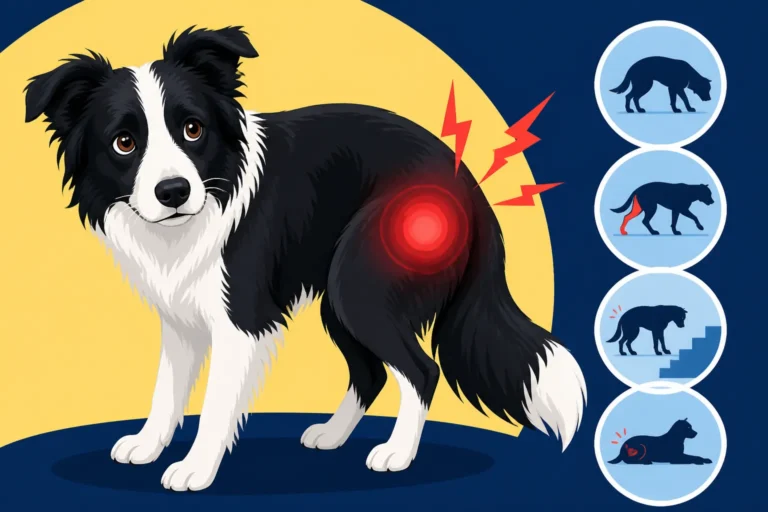
Border Collie Collapse, or BCC, is a neurological disorder that manifests after intense exercise or extreme excitement. It’s not just simple exhaustion; it’s a distinct and often frightening syndrome. Imagine your energetic Border Collie, usually a powerhouse of stamina, suddenly starts stumbling, dragging their back legs, and looking disoriented, all within a few minutes of an exciting retrieve session or a demanding agility course. It’s a gut-wrenching sight.
The symptoms are quite specific, making it distinguishable from other conditions like heatstroke or general fatigue. Typically, the dog begins to show a wobbly gait, often described as a "drunken sailor" walk. Their hind legs might appear stiff or uncoordinated, and in more severe cases, they might even collapse completely, unable to move. Their mental state can also seem altered; they might appear dazed or confused, sometimes even staring blankly. What's often overlooked is the rapid onset of these symptoms, sometimes as quickly as How Soon After Starting Work a Border Collie Collapses. While it looks distressing, most dogs do recover fully within 5 to 30 minutes, slowly regaining their coordination and awareness. If you've ever seen What a Border Collie Collapse Episode Looks Like, you know how quickly panic can set in.
The triggers are usually high-intensity, short-duration activities, especially those involving extreme excitement or stress. Think repeated ball retrieving, intense agility runs, or demanding herding sessions. We've talked before about Excitement as a Trigger for Border Collie Collapse and Repeated Ball Retrieving and Border Collie Collapse. The key here is not necessarily the duration, but the intensity and the mental engagement. It’s crucial to understand that BCC is not the same as heatstroke, and simply Ruling Out Heat Before Calling It Border Collie Collapse is a vital step in proper diagnosis. Your vet will look closely at their temperature during an episode, as BCC dogs typically remain in a normal temperature range, unlike heatstroke victims.
The Frustration of an Unpredictable Condition
As owners, the unpredictable nature of BCC is one of the most frustrating aspects. You want your Border Collie to live its best life, full of running, jumping, and chasing, which are all activities they are bred for and absolutely adore. But knowing that any of these activities could potentially trigger an episode makes every outing a tightrope walk. You start second-guessing every game of fetch, every long hike, every time they get overly excited to greet a friend. This constant worry can really dampen the joy of owning such an active and intelligent breed.
For those whose dogs have experienced BCC, the fear of recurrence is constant. You find yourself meticulously observing every subtle change in their gait, every slight hesitation, every little twitch. It forces you to become hyper-vigilant, which can be exhausting. It's not just about managing the physical symptoms, but also the emotional toll it takes on you as the caregiver. You might even find yourself looking up information on How Long a Border Collie Takes to Come Right Again, desperate for reassurance after an episode. This emotional burden is real, and it’s completely valid to feel overwhelmed by it. The dog might not seem phased once they recover, but for us, the image of them collapsing can replay in our minds for days.
Moreover, distinguishing BCC from other severe conditions, like seizures, can be incredibly difficult in the moment of panic. While both can involve a dog losing control and collapsing, the specifics differ. For example, a dog having a seizure might lose consciousness, paddle its legs, or vocalize, which are not typical of BCC. We've dedicated time to exploring Telling Border Collie Collapse From a Seizure because it’s such a common concern for owners trying to react appropriately. This diagnostic challenge adds another layer of anxiety for owners and even some veterinary professionals who might not be familiar with BCC.
The Genetic Link: Is BCC Inherited?
The short answer is yes, Border Collie Collapse is understood to be a hereditary condition. For years, veterinarians and researchers observed BCC occurring in certain families of Border Collies, strongly suggesting a genetic predisposition. The good news is that scientific advancements have brought us closer to pinpointing the exact genetic culprits, offering hope for clearer breeding decisions and, eventually, a reduction in the incidence of this condition.
Recent research, much of it spearheaded by institutions like the University of Minnesota, has identified a specific genetic mutation as a major contributor to BCC. This mutation is found in the DNM1 gene, which plays a crucial role in nerve function. When a dog inherits two copies of this mutated gene (one from each parent), they are considered "affected" and are at a significantly higher risk of developing BCC. Dogs that inherit only one copy are carriers; they typically won't show symptoms themselves but can pass the gene on to their offspring. This makes it a recessive genetic trait. This breakthrough in understanding has been monumental for the Border Collie community and underscores why initiatives like Where Border Collie Collapse Is Being Researched are so incredibly important.
Breeding Practices and Risk Reduction
Understanding the genetic basis of BCC has profound implications for breeding practices. Responsible breeders now have a powerful tool to make informed decisions and reduce the likelihood of producing affected puppies. The goal is to avoid breeding two carriers together, as this pairing has a 25% chance of producing an affected puppy, a 50% chance of producing carrier puppies, and a 25% chance of producing clear puppies.
Here's how breeders can approach this:
- Genetic Testing: Breeders should utilize genetic testing services to screen their breeding stock for the DNM1 mutation. These tests are usually done via a simple cheek swab or blood sample. Reputable laboratories, often affiliated with universities, provide accurate results. Knowing the genetic status of parent dogs (clear, carrier, or affected) is the first and most critical step.
- Strategic Pairings:
- Clear x Clear: This pairing will produce only clear puppies, with no risk of BCC. This is the ideal scenario for eliminating the gene from a line.
- Clear x Carrier: This pairing will produce approximately 50% clear puppies and 50% carrier puppies. None of the puppies will be affected by BCC themselves, but the carrier offspring will still carry one copy of the gene. These carrier puppies could then be bred to clear dogs in the future.
- Carrier x Carrier: This pairing should be avoided as it carries a 25% risk of producing affected puppies. While some breeders might choose this pairing for specific reasons (e.g., preserving valuable traits), it requires careful genetic counseling and mandatory testing of all offspring to ensure affected puppies are identified and placed in appropriate homes, and carriers are only bred to clear dogs.
- Record Keeping: Maintaining thorough records of genetic test results and any instances of BCC in a dog's pedigree is essential. Transparency helps potential puppy buyers make informed decisions. This ties directly into Breeding Decisions Around Border Collie Collapse.
By implementing these practices, breeders can gradually reduce the prevalence of the BCC gene in the Border Collie population, helping to ensure healthier generations of these magnificent dogs.
Family History and Pedigrees
For potential puppy owners, understanding your prospective puppy's family history is paramount. A good breeder will be upfront and transparent about the genetic health of their breeding animals and any history of BCC in their lines. Don't be shy about asking direct questions and requesting to see genetic test results for both parents.
When reviewing a pedigree, look for any indication of BCC or ancestors that were known carriers or affected. While some breeders might try to downplay a single carrier in a distant generation, the presence of affected dogs, especially close relatives, should raise a red flag and prompt further questions. A responsible breeder will be able to explain their breeding strategy, how they're managing any carrier status, and their goals for health in their lines. They should also be able to provide documentation, not just verbal assurances.
It's not always easy to track down comprehensive health information, especially if the breeder isn't particularly detail-oriented or if the lineage goes back many generations. However, this due diligence on your part can save you a lot of heartache and potential veterinary bills down the line. Remember, a cheap puppy often comes with hidden costs.
Identifying At-Risk Lines and Making Informed Choices
For anyone considering bringing a Border Collie into their home, especially one from a working or sport line, being proactive about understanding BCC risk is absolutely non-negotiable. It’s not about fear-mongering, but about empowering yourself with knowledge to make the best choice for your future companion.
Testing and Screening for Potential Carriers
Thanks to the identification of the DNM1 gene mutation, we now have a specific test available. Reputable genetic testing companies, like Optimal Selection or Embark, offer panels that include the BCC (DNM1) test. This means you don't have to guess anymore; you can get definitive answers. If you’re a breeder, this test is essential for every dog in your breeding program. If you're a potential puppy buyer, you should absolutely confirm that the parents of any litter you're considering have been tested and that their results are known.
Even if a dog is genetically "affected" (meaning they have two copies of the mutated gene), it doesn't automatically mean they will collapse every time they exercise. The expression of the gene can vary, and some affected dogs might show mild or infrequent symptoms, while others might be more severely impacted. However, being genetically affected means the potential is always there, and careful management becomes crucial. Conversely, a "carrier" dog (one copy of the gene) will typically never show symptoms of BCC themselves, but they are genetically capable of passing the mutation to their offspring. This is why testing is so vital for breeders.
What to Ask a Breeder
When you're speaking with a Border Collie breeder, be prepared with a list of questions beyond just price and color. Here's what you absolutely need to ask regarding Border Collie Collapse:
- "Have the parents been genetically tested for Border Collie Collapse (DNM1 mutation)?" Ask to see the official documentation from the testing laboratory. Don't accept a verbal "yes."
- "What are the results for both the sire and dam (Clear, Carrier, or Affected)?" A breeder should be able to provide these results readily and explain what they mean.
- "Is there any history of Border Collie Collapse in their pedigree or in past litters you've produced?" An honest breeder will be transparent, even if there have been past issues, and explain how they are addressing it.
- "How do you manage your breeding program to minimize the risk of BCC?" This question helps you gauge their understanding and commitment to genetic health.
- "Are you aware of the current research on BCC, and are you using DNA testing in all your breeding decisions?" This shows their engagement with current canine health science.
If a breeder seems evasive, defensive, or unwilling to provide documentation, consider that a major red flag. A truly responsible breeder will welcome these questions as it shows you are a thoughtful and informed potential owner.
Supporting a Dog with Suspected BCC
If you already own a Border Collie and suspect they might have BCC, or if they've been diagnosed, the good news is that with careful management, many dogs can still lead full, happy lives. The first step is a confirmed diagnosis from your veterinarian, ruling out other conditions. This might involve blood tests, a neurological exam, and a thorough discussion of their exercise history.
Once BCC is confirmed, the focus shifts to managing triggers. This doesn't mean stopping all exercise, but rather modifying it. Avoid those high-intensity, repetitive activities that seem to bring on an episode. Instead, opt for lower-impact, varied exercises. Think long walks, swimming, scent work, or less intense, shorter training sessions. Mental stimulation is incredibly important for Border Collies, and puzzle toys or obedience training can be fantastic alternatives to physical exertion. The key is to find that balance where your dog is stimulated without being pushed into a collapse episode.
It’s a tough adjustment, moving from the vision of an endlessly energetic Border Collie to one whose activity needs careful monitoring. But your dog will appreciate the consistency and the effort you put into keeping them safe and comfortable.
Living with a Border Collie from an Affected Line
Bringing a Border Collie into your life, especially if you know there's a history of BCC in their lineage, means committing to proactive care and a mindful approach to their daily routine. It’s not about limiting their joy, but channeling their incredible energy in ways that keep them safe and healthy.
Monitoring for Symptoms
Vigilance is key. You'll become an expert in your dog's normal behavior and body language, which is a great skill for any dog owner, but particularly vital when managing a condition like BCC. Pay close attention to subtle changes during or immediately after exercise. Does their gait suddenly become uneven? Do they seem to drag a hind leg or stumble on turns? Do they appear less alert or confused?
It's helpful to keep a journal of any suspected episodes. Note the date, time, activity leading up to it, duration of the symptoms, and how long it took for them to recover. This information will be invaluable for your vet. Also, ensure you know what Border Collie Collapse and What Sets It Off in your specific dog, as triggers can vary slightly between individuals. What might cause one dog to collapse, like a vigorous frisbee session, might not affect another with a different BCC trigger, like prolonged herding.
Managing Triggers and Environment
Managing triggers is the most effective way to prevent BCC episodes. This involves a multi-faceted approach:
- Modify Exercise: As mentioned earlier, high-intensity, repetitive activities are usually the culprits. Think about swapping out endless games of fetch for varied walks in different environments, swimming, or shorter, more controlled training sessions. Instead of 20 minutes of non-stop retrieving, try 5-minute sessions interspersed with calm activities like sniffing games or trick training.
- Avoid Over-Excitement: Border Collies are incredibly intelligent and sensitive dogs. Their excitement levels can spike quickly, especially around certain stimuli or when anticipating a favored activity. Learn to read your dog’s excitement cues and intervene before they reach a fever pitch. Sometimes, simply taking a break, asking for a calm "sit," or redirecting their focus can help.
- Temperature and Hydration: While BCC isn't heatstroke, extreme heat and dehydration can exacerbate any underlying issues. Always ensure your Border Collie has access to fresh water and shade, especially during warmer months. Consider adjusting exercise times to cooler parts of the day.
- Mental Stimulation: Since physical exertion needs to be managed, mental stimulation becomes even more critical. Engage their brilliant minds with puzzle feeders, advanced obedience, scent work, or learning new tricks. A mentally tired Border Collie is often a happy and calm Border Collie, even if they haven't run miles.
The Role of Veterinary Care and Proactive Planning
Regular veterinary check-ups are essential, even if your Border Collie isn't actively collapsing. Discuss your dog's genetic status and any concerns you have with your vet. They can help you develop a tailored exercise plan and monitor for any changes that might indicate other health issues. It’s also wise to have a conversation about what to do in the event of an episode and to understand the differential diagnoses your vet will consider.
Having a plan for emergencies is also crucial. Know the nearest emergency vet clinic, keep their number handy, and consider pet insurance. When looking into options, a provider like Healthy Paws might be a good fit, as they offer comprehensive coverage that can help with unexpected veterinary costs, especially for diagnostic tests or follow-up care. While Whether Any Insurer Pays for Border Collie Collapse can be a nuanced topic depending on your specific policy and when symptoms began, having robust insurance like that offered by Healthy Paws can provide peace of mind for other potential health concerns that might arise, or if the BCC diagnosis comes later in life. Discussing options like Insuring a Border Collie Against Epilepsy and Joints is also a smart move, as many Border Collies are prone to a range of genetic health issues. Being prepared financially means you can always prioritize your dog's health without added stress.
Characteristics of Border Collie Collapse
Here's a quick overview to help distinguish BCC and understand its genetic aspects:
| Characteristic | Description |
|---|---|
| Onset of Symptoms | Typically within 5-15 minutes of strenuous exercise or high excitement. Not usually after calm activity. |
| Symptoms | Disorientation, loss of coordination in hind limbs, wobbly gait, dragging back legs, stumbling, blank stare. Can progress to full collapse. Consciousness is generally maintained. |
| Triggers | High-intensity, repetitive activities like repeated ball retrieving, intense agility runs, sustained herding, or high levels of excitement/stress. |
| Recovery | Usually spontaneous within 5-30 minutes of rest. Dogs return to normal with no residual weakness or neurological deficits. |
| Body Temperature | Remains normal during an episode, unlike heatstroke. |
| Genetic Basis | Autosomal recessive inheritance. Primarily linked to a mutation in the DNM1 gene. Dogs must inherit two copies of the mutated gene to be affected. |
| Diagnosis | Based on observed clinical signs, exclusion of other conditions (e.g., hypoglycemia, heatstroke, cardiac issues, Telling Border Collie Collapse From a Seizure), and confirmed by genetic testing for the DNM1 mutation. |
| Management | Primarily through modifying exercise routines and avoiding known triggers. Focus on mental stimulation and lower-impact physical activity. Genetic testing is crucial for breeders to make informed pairing decisions and reduce affected offspring. |
The journey of living with or breeding Border Collies involves a constant commitment to their well-being, and understanding genetic conditions like BCC is a huge part of that. By being informed, asking the right questions, and working closely with your vet, you can help ensure that these incredible dogs continue to thrive for generations to come.
Disclaimer
This article is for general informational purposes only and does not constitute professional advice. Laws, prices and regulations vary by location and change over time. Consult a qualified professional for guidance on your specific situation.