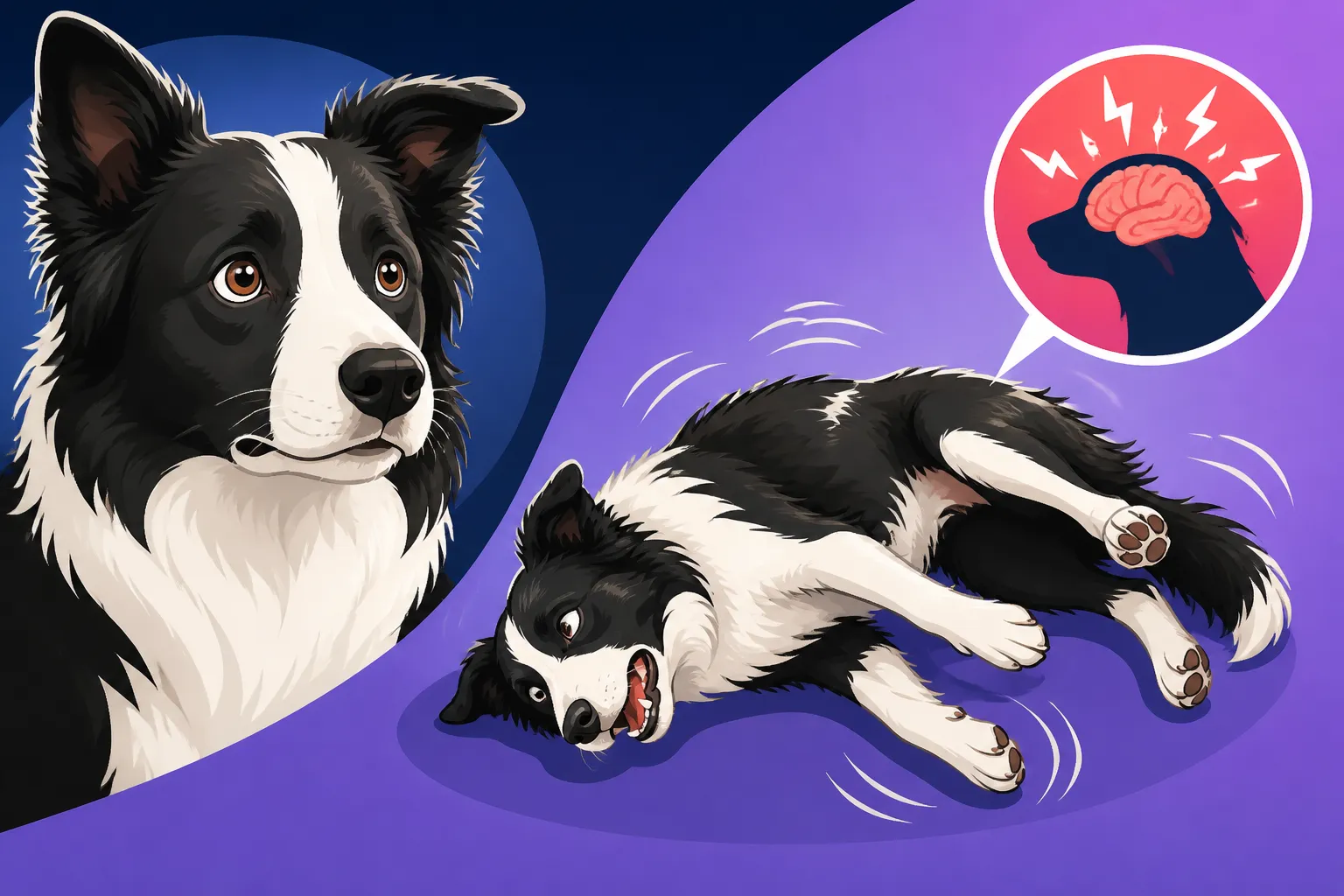
What a Border Collie Seizure Looks Like
Witnessing your beloved Border Collie suddenly collapse, shake uncontrollably, and seem utterly lost to you is one of the most frightening experiences a dog owner can face. It’s a moment of utter helplessness and terror. This guide is here to walk you through exactly what a Border Collie seizure looks like, from the subtle hints that might precede it to the disoriented aftermath, helping you understand what's happening and how to best support your dog.
The Initial Signs and Pre-Seizure Phase (Aura)
Before a full-blown seizure takes hold, some Border Collies, like many dogs prone to epilepsy, might exhibit what's known as an "aura." This is a pre-ictal phase where the dog might behave unusually, almost as if they sense something is wrong. Not all dogs show an aura, and even if they do, it can be incredibly subtle and easy to miss, especially if you're not specifically looking for it. However, learning to recognize these early warnings can be invaluable for both your dog's safety and your peace of mind.
Subtle Behavioral Changes Beforehand
A Border Collie, being the highly intelligent and sensitive creatures they are, might show their aura through nuanced behavioral shifts. You might notice them becoming unusually clingy, suddenly needing to be right by your side, seeking comfort or reassurance more than usual. Conversely, some dogs might become agitated and restless, pacing around the house, unable to settle. They might seem confused or disoriented, perhaps staring blankly into space or acting as if they don't quite know where they are. Imagine your usually focused Border Collie, who typically has an intense gaze, suddenly appearing unfocused or distant. This could be a sign. They might also display increased anxiety, whimpering softly or trembling even when there’s no obvious external stressor. Sometimes, their incredible drive might seem momentarily misplaced or intensified, leading to a frantic energy with no clear outlet.
Physical Manifestations to Watch For
Beyond the behavioral changes, there can be more tangible physical signs that indicate an impending seizure. Increased drooling is a common one, even if it's not mealtime or they haven't been playing with a slobbery toy. You might notice them shaking or trembling, not from cold or fear, but an internal tremor. Pacing relentlessly, especially in circles or with a head lowered, can also be a signal. Their pupils might dilate, making their eyes appear darker and wider than usual. Some dogs may even vocalize softly, a low whine or groan, seemingly without cause. These signs can be tricky, as many of them can also be associated with general anxiety, an upset stomach, or even just boredom. However, when these symptoms appear out of the blue or intensify rapidly, especially in a dog with a history of seizures or a breed predisposed to epilepsy, they warrant closer observation. A highly tuned working Border Collie, for instance, might suddenly become unresponsive to commands or show a distinct lack of interest in their usual work, which is a major red flag for this breed.
Understanding the Seizure Itself (Ictal Phase)
The ictal phase is what most people typically think of when they imagine a seizure. This is the period where the dog loses control, and the physical manifestations are undeniable. While it is incredibly distressing to watch, remember that your Border Collie is not aware of what is happening during this time and is not in pain. Your primary role is to keep them safe until it passes.
The Grand Mal Generalized Seizure What to Expect
The grand mal, or generalized tonic-clonic seizure, is perhaps the most dramatic and terrifying to witness. Your Border Collie will likely lose consciousness completely, often falling over onto their side. Their body will become rigid and stiff (the tonic phase), followed by uncontrollable paddling motions with all four limbs (the clonic phase). Their jaws might clamp shut, and they may chew rapidly, often frothing at the mouth from saliva mixing with air. You might hear strange, guttural vocalizations, which sound like cries or moans, adding to the distress you feel as an owner. During this intense period, your dog will involuntarily urinate or defecate. It’s a chaotic scene, and it feels like an eternity. However, most generalized seizures in Border Collies, thankfully, last for a relatively short period, typically from 30 seconds to a few minutes. If you find yourself in this situation, knowing what to do in The First Minute of a Border Collie Seizure can make all the difference. It's crucial to remember that your dog is completely unaware and has no control over these actions.
Focal Partial Seizures More Localized Symptoms
While grand mal seizures are unmistakable, focal, or partial seizures can be much more subtle and therefore, sometimes harder to identify as a seizure. Instead of affecting the entire brain, these seizures originate in a specific part of the brain and manifest in localized symptoms. Your Border Collie might experience twitching in just one limb, or perhaps a localized facial tic, like an eyelid twitch or lip tremor. Repetitive swallowing, lip-licking, or "fly-biting" (snapping at invisible objects in the air) are also common signs. Some dogs might simply stare blankly, appearing detached from their surroundings, almost as if they're in a trance. They might also make unusual, low-level vocalizations that aren't typical for them. What makes these particularly challenging is that these symptoms can sometimes be mistaken for behavioral quirks, dreams, or even pain. However, the key differentiator is their repetitive, uncontrollable nature, and the dog’s inability to respond to you during the episode. Sometimes, a focal seizure can escalate and progress into a full generalized seizure. It is important to document any unusual repetitive movements or blank stares, as these seemingly mild episodes are still seizures and warrant veterinary attention. For advice on what details to capture, consult our guide on What to Record About a Border Collie's Seizures.
The Post-Seizure Period (Post-Ictal Phase)
Once the shaking and involuntary movements stop, the seizure itself has ended. However, your Border Collie isn't instantly back to normal. They enter what's called the post-ictal phase, a period of recovery that can be just as disorienting for them, and often confusing for owners.
Confusion, Disorientation, and Cloudiness
Immediately after a seizure, your Border Collie will likely be incredibly confused and disoriented. They might stumble as they try to stand or walk, bumping into furniture or walls. Some dogs experience temporary blindness, bumping into objects they would normally navigate effortlessly. Pacing aimlessly, often in tight circles, is very common. They might seem to not recognize you, their eyes appearing distant and vacant, or even show a brief moment of aggression due to their confusion – though this is rare. This "cloudiness" can last for minutes, hours, or in severe cases, even a day or two. It’s heartbreaking to see your usually bright, alert Border Collie in such a state. Your patience and gentle reassurance are vital during this time. Keep their environment safe and quiet, and avoid overwhelming them with too much attention. Understanding What Happens After a Border Collie's First Seizure can help you prepare for this challenging recovery period.
Hunger, Thirst, and Changes in Behavior
Beyond the initial disorientation, many Border Collies will exhibit extreme hunger and thirst in the post-ictal phase. They might gulp down water rapidly or seem ravenous, wanting to eat anything in sight. This is thought to be due to the massive expenditure of energy and neurological activity during the seizure. Don't be surprised if they become intensely focused on food or water. Other temporary behavioral changes might include increased clinginess, wanting constant physical contact, or conversely, a period of deep lethargy and sleepiness as their brain recovers. While these behaviors can be alarming if you haven't seen them before, they are typically temporary and resolve as the dog fully recovers.
It's during these unpredictable times that planning ahead becomes so critical. If your Border Collie experiences recurring seizures, the costs of veterinary visits, diagnostic tests, and ongoing medications can quickly add up. This is where pet insurance providers like Healthy Paws can truly be a lifesaver. Their comprehensive plans often cover unexpected illnesses like epilepsy, allowing you to focus on your dog's recovery without the added stress of crushing vet bills.
Recovery and When to Seek Emergency Help
A "normal" recovery from a single, short seizure involves your Border Collie gradually regaining their awareness, coordination, and usual personality over an hour or two. They might be tired and sleep more, but otherwise, they should return to their baseline. However, there are critical situations where you must seek emergency veterinary care immediately. Call your vet or an emergency clinic if:
- The seizure lasts longer than 5 minutes. This is considered status epilepticus and can be life-threatening, potentially causing brain damage or severe overheating.
- Your Border Collie has back-to-back seizures without regaining full consciousness in between. These are known as cluster seizures and also require immediate intervention. Our article Back-to-Back Seizures in a Border Collie offers more insights into this dangerous scenario.
- Your dog experiences multiple seizures within a 24-hour period. Even if they recover between episodes, frequent seizures warrant urgent veterinary attention.
- Your dog shows signs of severe overheating (excessive panting, bright red gums) or difficulty breathing after a seizure.
Even if the seizure is short and your dog recovers well, it's always wise to contact your regular vet as soon as possible after a first seizure, or if there's any change in seizure frequency or intensity. They can advise you on the next steps and help determine if it's an isolated incident or the start of a chronic condition. While one seizure doesn't automatically mean your dog has epilepsy, it’s certainly a strong indicator. Read Whether One Seizure Means a Border Collie Has Epilepsy for more information.
Documenting and Managing Seizures for Your Border Collie
After the initial shock of witnessing a seizure, your next steps in terms of documentation and creating a safe environment are crucial for your Border Collie's ongoing care and management.
Why Detailed Records Are Crucial
When your Border Collie experiences a seizure, especially for the first time, your veterinarian will rely heavily on your observations. This is why keeping a detailed seizure log is absolutely critical. It provides objective information that helps them diagnose, monitor, and adjust treatment if necessary. Think of yourself as a detective, gathering all the clues. You should record:
- Date and Time: Exactly when the seizure started and ended.
- Duration: How long the active seizure phase lasted (from collapse to when the uncontrolled movements stopped). Use a timer if possible!
- Type of Seizure: Was it generalized (full body, loss of consciousness) or focal (localized twitching, staring)?
- Specific Symptoms: Describe exactly what you saw. Was there paddling, rigid limbs, drooling, chomping, vocalizing, urination, or defecation? Which limbs were affected?
- Pre-Ictal Signs: Did you notice any unusual behavior before the seizure? Clinginess, restlessness, confusion?
- Post-Ictal Behavior: How did your dog act immediately after the seizure? Disoriented, pacing, hungry, thirsty, sleepy, temporarily blind? How long did this phase last?
- Potential Triggers: Was there anything unusual leading up to the seizure? Stress, loud noises, change in routine, new medication?
This wealth of information allows your vet to track patterns, understand the severity, and make informed decisions about medication. The age your Border Collie's first seizure arrives can be a significant diagnostic clue, so ensure that detail is also part of your records.
Here's an example of a simple seizure log table you can use:
| Date | Time Start | Duration (min:sec) | Seizure Type | Pre-Ictal Signs | Ictal Symptoms (Detailed) | Post-Ictal Behavior (Detailed) | Notes/Possible Triggers |
|---|---|---|---|---|---|---|---|
| 2024-03-10 | 14:15 | 1:45 | Generalized | Pacing, clingy for 10 min prior | Fell, rigid, paddling all 4 limbs, jaw chomping, drooling, urinated | Disoriented, walked into wall, very thirsty for 30 min, then slept | Loud thunder outside 30 min before |
| 2024-04-05 | 08:30 | 0:30 | Focal | Staring into space for a few minutes | Left ear twitching, lip-licking repeatedly, unresponsive to name | Slightly confused for 5 min, then normal | Seemed tired that morning |
| 2024-05-12 | 21:00 | 2:10 | Generalized | Whining softly before sleep | Fell off couch, paddling, vocalizing loudly, defecated | Extremely hungry, drank a lot, paced for 1 hour, then very sleepy | Kids had a sleepover, more noise than usual |
Creating a Safe Environment During a Seizure
Your immediate priority during a seizure is to keep your Border Collie safe from injury. While it's natural to want to comfort them, interacting too much can actually be dangerous for you if they accidentally bite while disoriented.
- Clear the Area: Gently move any furniture or sharp objects away from your dog. If they are on stairs or a high surface, try to move them carefully to the floor without putting yourself at risk.
- Cushion Their Head: Place a pillow or a folded blanket under their head to protect it from repeated banging.
- Do NOT Put Anything in Their Mouth: This is a common misconception. Your dog cannot swallow their tongue. You could get severely bitten and potentially obstruct their airway if you try to pry open their mouth or insert an object.
- Stay Calm and Quiet: Speak to them in a soft, reassuring voice. While they can't consciously hear you, your calm presence can be comforting during the post-ictal phase.
- Monitor Duration: Start a timer as soon as the seizure begins. This is vital information for your vet.
- Cooling Measures: If the seizure lasts longer than a couple of minutes, or if it's a hot day, your dog's body temperature can rise. You can gently place a cool, damp cloth on their paws or neck to help prevent overheating, but avoid dunking them in cold water.
Managing a seizure-prone dog means being prepared for these unexpected moments. Beyond the emotional toll, the cost of emergency vet visits, potential overnight stays, and diagnostic imaging can be substantial. Pet insurance plans, such as those offered by Healthy Paws, can provide invaluable financial assistance during these emergencies. Knowing you have that safety net can significantly reduce the stress when your dog needs urgent care.
Working With Your Veterinarian and Potential Diagnoses
After your Border Collie's first seizure, your vet will perform a thorough physical and neurological exam. They'll likely recommend a series of diagnostic tests to try and identify the cause. This often includes blood tests to check for metabolic issues (like liver or kidney disease), electrolyte imbalances, or toxins. They might also suggest an MRI of the brain to rule out structural problems like tumors, strokes, or congenital abnormalities. In some cases, a cerebrospinal fluid (CSF) tap might be performed to check for inflammation or infection.
For many Border Collies, particularly those who experience their first seizure between one and five years of age, the diagnosis is often idiopathic epilepsy. This means that no underlying cause can be identified, and the seizures are thought to be genetic. This is a common condition in Border Collies, and understanding that this form of epilepsy is often inherited can be helpful for breeders and owners alike. You can learn more about Epilepsy in a Border Collie Between One and Five in our dedicated article.
If a treatable underlying cause is found, such as a liver shunt or a brain tumor, addressing that primary issue will be the focus. However, if idiopathic epilepsy is diagnosed, the goal shifts to managing the seizures with anti-epileptic drugs (AEDs) to reduce their frequency, severity, and duration. This ongoing treatment, including medication and regular vet check-ups, is a long-term commitment. Again, financial support from a reliable pet insurance provider like Healthy Paws can truly alleviate the burden of these continuous costs, ensuring your Border Collie receives the best possible care throughout their life.
Living with a Seizure-Prone Border Collie
Discovering your Border Collie has seizures is a life-altering event. It shifts how you view their health and introduces a new level of vigilance. While challenging, living with a seizure-prone dog is manageable with the right approach, support, and a deep understanding of their condition.
Lifestyle Adjustments and Support
The emotional toll on owners witnessing recurrent seizures in their beloved Border Collie is immense. It's a constant worry, a fear that can shadow every happy moment. This is completely normal, and it's okay to seek support for yourself. Many owners find solace in online communities or local groups for owners of epileptic dogs.
When it comes to your Border Collie, consistency is key. Maintaining a predictable routine for feeding, exercise, and sleep can help reduce stress, which is a known seizure trigger for some dogs. While it's not always possible to pinpoint a specific trigger, some common ones include:
- Stress and Anxiety: Major changes in routine, new environments, prolonged separation, or even overly exciting events can sometimes trigger an episode.
- Sleep Deprivation: An overtired dog may be more susceptible.
- Loud Noises or Flashing Lights: Certain sensory stimuli can be problematic for some individuals.
- Extreme Excitement: For a high-drive breed like the Border Collie, intense excitement, such as during highly stimulating play or competitions, might be a trigger. While this is more commonly associated with Excitement as a Trigger for Border Collie Collapse, the underlying principle of physiological stress applies.
- Certain Medications: Always inform your vet about all medications and supplements your dog is taking, as some can lower the seizure threshold.
Observing your dog closely and keeping your seizure log updated can help you identify any specific triggers unique to your Border Collie. By doing so, you can make informed lifestyle adjustments to minimize their exposure to these factors, creating a more stable and supportive environment for them. You might also want to look into how Diet and Seizure Frequency in a Border Collie can sometimes play a role.
The Role of Medication and Long-Term Care
If your veterinarian determines that medication is necessary to control your Border Collie's seizures, they will prescribe anti-epileptic drugs (AEDs). Common AEDs include phenobarbital, potassium bromide, and levetiracetam. The goal isn't always to stop seizures completely, but to reduce their frequency, severity, and duration to improve your dog's quality of life.
Finding the right medication and dosage can be a process of trial and error. Your vet will start with a specific drug and dose, and then monitor your dog's response and any side effects. Regular blood work will be necessary to monitor drug levels in their system and check for potential adverse effects on organs like the liver, especially with medications like phenobarbital. The goal is to find the lowest effective dose that controls seizures without causing excessive sedation or dulling their vibrant Border Collie personality. We understand the concern about dulling your dog's spirit, and our article on Medicating a Border Collie Without Dulling It offers helpful insights.
Living with a seizure-prone Border Collie is a long-term commitment that often involves regular vet visits, ongoing medication, and sometimes additional tests. These costs can quickly become significant, placing a substantial financial burden on owners. This is where comprehensive pet insurance plans, such as those offered by Healthy Paws, prove their immense value. They can cover a large portion of these recurring expenses, from medication refills to follow-up blood tests and specialist consultations. Having reliable pet insurance can give you the peace of mind that you can afford the best possible care for your beloved Border Collie, throughout their journey with epilepsy. It's worth researching Insuring a Border Collie Against Epilepsy and Joints well in advance.
Disclaimer
This article is for general informational purposes only and does not constitute professional advice. Laws, prices and regulations vary by location and change over time. Consult a qualified professional for guidance on your specific situation.