Whether a Border Collie Bloats After Running Hard
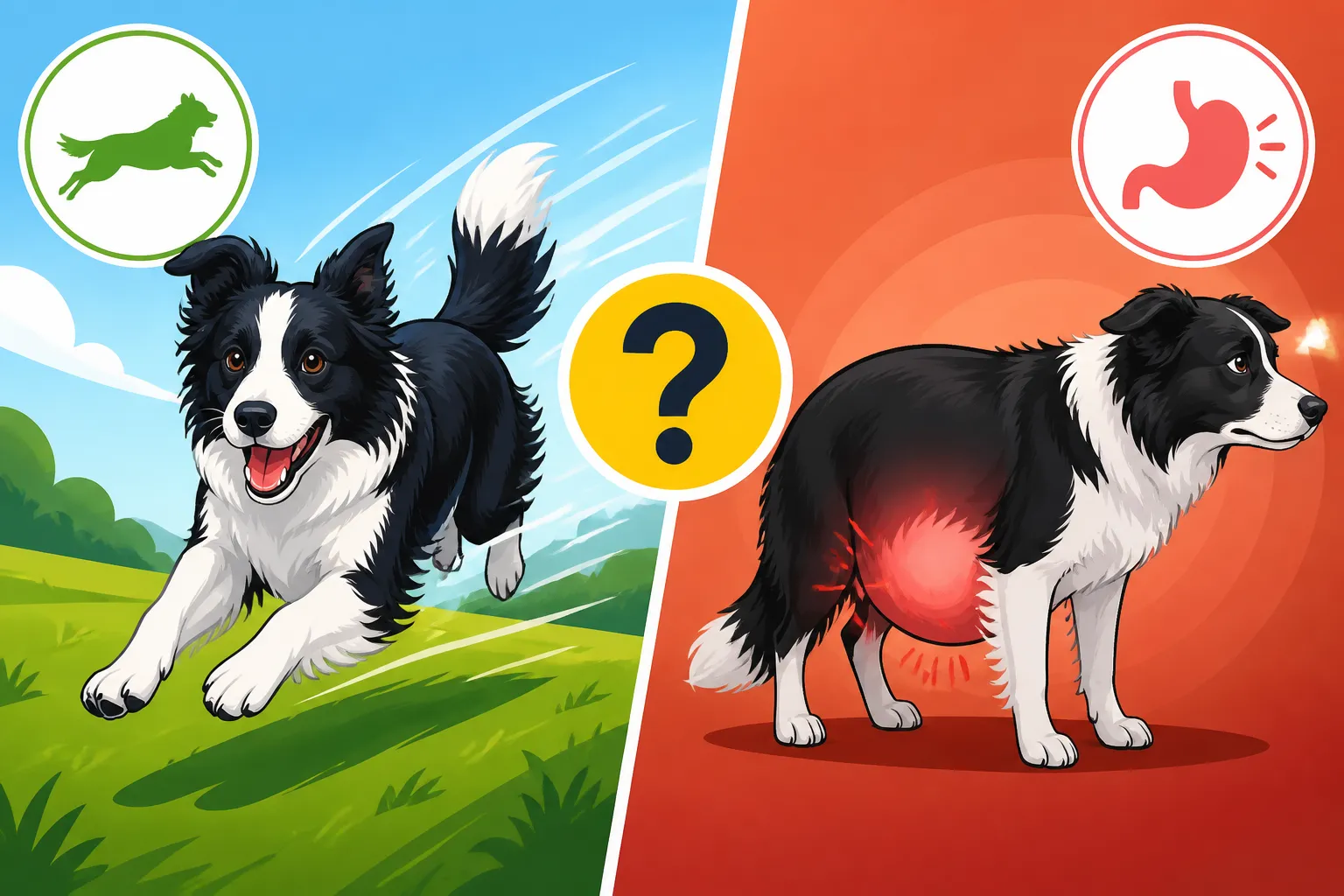
It’s a terrifying scenario no Border Collie owner ever wants to imagine: your incredibly energetic, hard-working dog finishes a session of intense running, fetching, or herding, and then something just doesn't seem right. That nagging fear of "bloat" can set in, a sudden, life-threatening condition that seems to strike active dogs without much warning. This guide will walk you through everything you need to know about Gastric Dilatation-Volvulus (GDV), or bloat, specifically addressing whether our high-drive Border Collies are particularly susceptible after their vigorous exercise, how to spot the signs, and what you can do to protect them.
Understanding Gastric Dilatation-Volvulus The Medical Emergency Known as Bloat
When we talk about "bloat" in dogs, we're not just discussing a little post-dinner gas or a full belly. We're talking about a true veterinary emergency known as Gastric Dilatation-Volvulus, or GDV. This condition is incredibly serious and, sadly, often fatal if not treated immediately. It’s a fear that haunts many owners of large, deep-chested breeds, and for good reason – it comes on quickly and requires urgent action.
What Exactly is GDV and Why is it So Deadly?
At its core, GDV involves two main problems with your dog's stomach. First, the stomach rapidly fills with gas, food, or fluid, causing it to distend and swell like a balloon – this is the "dilatation" part. Think of it like your stomach suddenly expanding to several times its normal size. This alone is incredibly painful and puts immense pressure on surrounding organs, including the diaphragm, making it hard for your dog to breathe.
The second, even more critical, part is the "volvulus." This means the distended stomach then twists on its axis, essentially pinching off both the entry (esophagus) and exit (duodenum) points. When this happens, gas and contents become trapped inside, unable to escape. Blood flow to the stomach wall is severely compromised, leading to tissue death. The twisting also affects major blood vessels, causing a cascade of shock throughout the body, including irregular heart rhythms and damage to other vital organs. It's a rapid downward spiral, and every minute counts once the stomach has twisted. This is why you often hear vets stress that GDV is not something you can "wait and see" with; it demands immediate veterinary intervention.
The Mechanics of Bloat How It Affects Your Dog's Body
Imagine a balloon inflating inside your dog's abdomen, then twisting its neck. That's a simplified, yet stark, image of GDV. The stomach, now engorged with gas and unable to empty, presses against the diaphragm, making it incredibly difficult for your Border Collie to take a full breath. You might notice shallow, rapid breathing, or even obvious struggling.
Simultaneously, the twisted stomach cuts off blood flow not just to itself, but also to large veins that return blood from the hindquarters to the heart. This creates a significant drop in blood pressure, leading to what veterinarians call hypovolemic shock. The heart has to work much harder to pump blood, often leading to dangerous arrhythmias, which are abnormal heartbeats. Toxins can also build up in the dying stomach tissue and then flood the bloodstream if the stomach is untwisted too late. The spleen, which sits near the stomach, can also be pulled into the twist, suffering damage itself. All these factors combined make GDV a multi-systemic crisis. Your dog’s entire body is affected, leading to extreme pain, weakness, and without emergency surgery, almost certain death. It's truly one of the most frightening conditions a dog can face.
Are Border Collies Prone to Bloat After Intense Exercise?
It’s a common worry for owners of active breeds, and Border Collies certainly fit that bill. Their boundless energy and dedication to work mean they often push themselves to their physical limits. But does this intense activity put them at a higher risk for bloat? Let’s delve into the specifics.
Breed Predisposition and Body Type in Border Collies
While Border Collies are incredibly active, they aren't considered a top-tier "high-risk" breed for GDV compared to some of their deeper-chested, larger cousins like Great Danes, Weimaraners, or Standard Poodles. These breeds are often cited with the highest statistical likelihood. However, Border Collies are certainly not immune. They are a medium-to-large breed with a moderately deep chest, which is one of the primary anatomical risk factors. The theory is that a deeper chest allows more room for the stomach to swing and twist when it's distended.
Genetics also play a role; if a Border Collie has close relatives (parents, siblings) who have experienced bloat, their own risk increases. So, while your Border Collie might not be at the very top of the list, their physical build and active lifestyle mean that bloat should always be on your radar. Responsible breeders often consider the history of GDV in their lines, but it's not as commonly discussed as conditions like Hip Dysplasia in a Border Collie That Runs All Day or Elbow Dysplasia and the Border Collie Forelimb. Still, vigilance is key.
The Role of High-Intensity Activity and Other Risk Factors
The link between intense exercise and bloat is complex and often misunderstood. It's not necessarily the act of running itself that causes bloat, but rather certain practices around exercise and feeding. For instance, feeding a large meal, especially a kibble that expands when wet, and then immediately exercising vigorously, or conversely, feeding immediately after intense exercise, is often cited as a risk factor. The stomach, full and heavy, might be more prone to twisting during physical exertion or when gulping air.
Other factors beyond exercise that can increase a Border Collie's risk include:
- Eating too fast: Dogs who gulp their food rapidly tend to swallow a lot of air, which can contribute to stomach distension.
- Eating one large meal a day: Spreading meals out into two or three smaller portions might be safer.
- Stress or anxiety: Some research suggests that stress can be a contributing factor.
- Older age: The risk generally increases as dogs get older.
- Genetics: As mentioned, a family history significantly increases risk.
- Being underweight: Surprisingly, dogs that are very thin for their breed standard may have a higher risk, potentially due to less abdominal fat to hold organs in place.
Understanding these multifaceted risk factors helps paint a clearer picture that it's rarely just one thing, like "running hard," in isolation that triggers bloat.
Debunking Myths About Post-Exercise Bloat Triggers
There are a lot of old wives' tales and misconceptions circulating about bloat. Let's clear some of them up, particularly regarding exercise:
- Myth 1: Drinking too much cold water after exercise causes bloat. While it’s always a good idea to introduce water gradually after intense activity to prevent gulping, there’s no definitive scientific evidence that the temperature of the water directly causes bloat. The concern is more about the rapid intake of a large volume of liquid and swallowed air. Ensuring your Border Collie has access to water during and after work, but managed to prevent frantic gulping, is important for preventing Dehydration in a Border Collie After a Day's Work, but not necessarily a direct bloat trigger from temperature alone.
- Myth 2: Elevated food bowls cause bloat. For a long time, it was believed that elevated bowls prevented bloat. However, some studies have actually indicated a slightly increased risk with elevated bowls in large and giant breeds. It’s best to use a bowl on the floor unless your vet specifically recommends an elevated one for another health condition (like megaesophagus).
- Myth 3: Running immediately after eating is the only cause. While this is a significant risk factor, it's not the only one, and bloat can occur in dogs who haven't just eaten or exercised. It’s a combination of factors.
- Myth 4: Kibble that expands is always bad. While some types of kibble can expand, the real issue is often the rapid consumption of any food, leading to air gulping, combined with other risk factors. Focus more on slowing down eating.
The key takeaway is that prevention often involves a combination of strategies rather than fixating on one single "cause" or "cure." Being insured with a company like Healthy Paws can give you peace of mind, knowing that if the worst happens, you’re financially prepared for the emergency surgery.
Recognizing the Early Warning Signs of Bloat in Your Border Collie
Spotting bloat early is absolutely critical. The difference between life and death can literally be minutes or a couple of hours. Border Collies, with their stoic nature and high pain tolerance, might not always show obvious signs until the condition is advanced, making it even more challenging.
Subtle Clues That Demand Immediate Attention
Your Border Collie might be a master of endurance, capable of working all day, but even they have their limits. If you notice any of these signs after a vigorous session, or even during a calm moment, don't hesitate to investigate further:
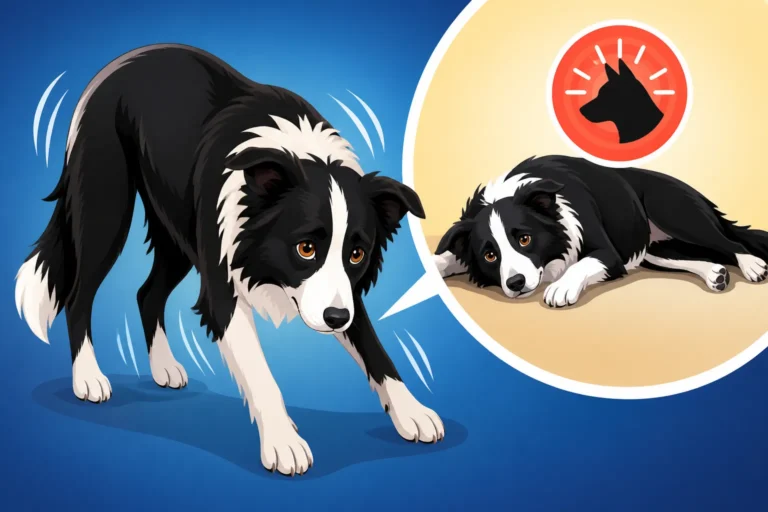
- Restlessness and Pacing: Your dog can't get comfortable, constantly shifting, standing, or trying to lie down in different positions. They might look at their flank anxiously.
- Drooling and Retching: Excessive drooling, attempts to vomit without producing anything (non-productive retching or dry heaving), are classic signs. They might look like they're trying to throw up, but nothing comes out.
- Abdominal Distension: This can be tricky with a rough-coated Border Collie, but you might see a noticeable swelling or hardness in the abdomen, especially on the left side, behind the ribs. Gently feel your dog’s belly – if it feels tight and drum-like, that’s a huge red flag.
- Pain and Discomfort: Your dog might groan, whine, or snap if you try to touch their belly. They might stand with an arched back or refuse to lie down.
- Weakness and Collapse: As the condition progresses, your Border Collie will become weaker, may stumble, have pale gums, a rapid heart rate, and eventually collapse due to shock. This is an advanced stage and requires immediate emergency care.
- Rapid, Shallow Breathing: Difficulty breathing due to the stomach pressing on the diaphragm.
Any combination of these, particularly non-productive retching and abdominal distension, should send you straight to the emergency vet. Don't waste time trying to diagnose it yourself.
Distinguishing Bloat from Other Post-Exercise Discomforts
It’s easy to panic when your dog seems unwell after exercise, but not all post-activity discomfort is bloat. Border Collies are prone to various issues after intense work, such as muscle strains, dehydration, or heat exhaustion. Here's how some common issues might present differently:
- Muscle Strain or Minor Injury: A dog with a Shoulder Injuries in an Agility Border Collie or a minor strain might limp, favor a leg, or be reluctant to move, but generally won't show the intense abdominal pain, retching, or distension associated with bloat. They might still eat and drink normally.
- Dehydration: A dehydrated dog will be lethargic, have sticky gums, and possibly sunken eyes, but won't typically have a distended abdomen or attempt to vomit without success. They might also appear to be panting excessively or look for water constantly. You can learn more about How Much a Border Collie Drinks on a Working Day to prevent this.
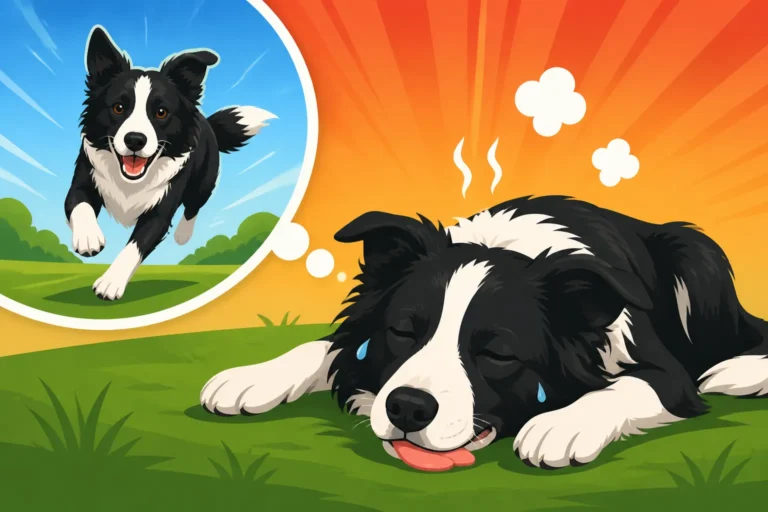
- Heat Stroke: This is another critical emergency. A dog with Heat Stroke in a Border Collie That Kept Working will often have brick-red gums, excessive panting, disorientation, vomiting (often with foamy saliva), and a very high body temperature. While severe heat stroke can cause gastrointestinal upset, it doesn't typically present with the classic non-productive retching and hard, distended abdomen of bloat.
- General Exhaustion: An exhausted Border Collie will simply be tired, maybe a bit sore, and want to rest. They won't usually show severe signs of distress, retching, or abdominal swelling.
Here's a quick comparison table to help differentiate:
| Symptom / Condition | Bloat (GDV) | Dehydration | Muscle Strain / Minor Injury | Heat Stroke |
|---|---|---|---|---|
| Abdomen | Hard, distended, painful | Normal or slightly tucked | Normal | Normal, but dog may vomit |
| Retching/Vomiting | Non-productive retching (dry heaving) | May vomit, but often productive | Unlikely to vomit due to injury | Often productive vomiting, possibly foamy |
| Energy Level | Restless, pacing, anxious, then collapses | Lethargic, tired | Reluctant to move, might limp | Lethargic, disoriented, wobbly |
| Breathing | Rapid, shallow, labored | Increased panting, often productive | Normal to slightly increased | Very rapid, heavy panting |
| Gums | Pale to white | Sticky, possibly pale | Normal | Bright red, then possibly pale/muddy |
| Pain | Severe abdominal pain | Mild discomfort or thirst | Localized pain (e.g., leg, shoulder) | Generalized distress, headache |
| Urgency | EXTREME EMERGENCY | Urgent, but not minutes-to-live emergency | Monitor, vet if severe or no improvement | EXTREME EMERGENCY |
The Critical Importance of Time When Bloat Strikes
I cannot stress this enough: with bloat, time is quite literally life. If you suspect GDV, do not wait. Do not try to give antacids, massage their belly, or "see if it gets better." Get in the car and drive to the nearest emergency veterinary hospital immediately. Call ahead if you can, so they can prepare for your arrival.
The twisted stomach starts to die quickly, and the shock progresses rapidly. The longer you wait, the more damage occurs, the higher the risk of complications, and the lower the chances of a successful outcome. Even a few hours can significantly impact prognosis. If you have pet insurance, like Healthy Paws, knowing you can focus on getting immediate care rather than worrying about the bill can be a huge relief in such a terrifying situation. Early intervention with surgery is the only definitive treatment for GDV.
Crucial First Steps and Prevention Strategies for Bloat
The thought of bloat is terrifying, but being prepared and taking preventative measures can significantly reduce your Border Collie's risk and improve outcomes if it ever occurs.
Emergency Response What to Do If You Suspect Bloat
Okay, you've just come in from a strenuous session, maybe a long hike or some serious frisbee, and your Border Collie is showing those unsettling signs: dry heaving, restless pacing, a visibly distended or hard belly. Here’s what you do, and what you absolutely don't do:
- Stay Calm (as much as possible): Your dog will pick up on your panic. Try to remain focused.
- Call the Emergency Vet IMMEDIATELY: Do not pass go, do not collect $200. Call your vet or the nearest emergency animal hospital while you are getting your dog into the car. Tell them you suspect GDV/bloat and you are on your way. This gives them precious minutes to prepare a surgical suite or at least get staff ready for your arrival.
- Transport Your Dog Safely: Get your Border Collie to the clinic as quickly and safely as possible. If they are large or in severe distress, you might need help carrying them.
- Do NOT:
- Try to make your dog vomit. It won't work with a twisted stomach and could be dangerous.
- Give any over-the-counter medications or home remedies.
- Attempt to "burp" or "deflate" your dog's stomach.
- Wait to see if symptoms improve. They likely won't, and you're losing critical time.
Upon arrival, the veterinary team will quickly assess your dog, likely take X-rays to confirm GDV, stabilize them for shock, and then prepare for emergency surgery. During surgery, the stomach is untwisted, any dead tissue is removed, and often a procedure called a gastropexy is performed. A gastropexy involves permanently tacking the stomach to the abdominal wall to prevent future twisting, though it doesn't prevent dilation. This procedure is highly recommended, especially for Border Collies at risk.
Proactive Measures to Reduce Risk in Active Border Collies
While you can never eliminate the risk entirely, there are many things you can do to lower your Border Collie's chances of developing bloat.
- Feed Multiple Small Meals: Instead of one large meal, break your dog’s daily food ration into two or three smaller meals. This reduces the amount of food in the stomach at any one time. This is also a good practice for managing Feeding a Border Collie Before and After Work to maintain energy without overtaxing their digestive system.
- Slow Down Eating: If your Border Collie eats like a vacuum cleaner, invest in a slow-feeder bowl or puzzle feeder. You can also place a large, non-edible object (like a clean rock or a tennis ball) in their regular bowl to make them eat around it.
- Manage Exercise Around Meals: Avoid vigorous exercise for at least one hour before and two hours after meals. This gives the food time to digest without the stomach sloshing or moving excessively. Gentle walks are usually fine, but leave the high-intensity work like long runs, agility training, or intense herding for when their stomach is relatively empty. Remember, your Border Collie can run for miles, but their digestive system needs a break.
- Ensure Gradual Water Intake: After intense exercise, offer small amounts of water frequently rather than letting your dog gulp down a large volume all at once.
- Choose the Right Food: While specific kibble types aren't a definitive cause, some owners prefer foods with meat meal as one of the first ingredients, as opposed to highly fermentable ingredients. Discuss your dog's diet with your vet, especially if your Border Collie is working hard and needs a high-performance diet to meet The Calorie Load a Working Border Collie Burns.
- Minimize Stress: While harder to quantify, reducing stress can be beneficial for overall health.
- Consider Prophylactic Gastropexy: For Border Collies at high genetic risk, or if they are already undergoing another abdominal surgery (like spaying), a prophylactic gastropexy can be performed. This procedure prevents the stomach from twisting, though it does not prevent the initial gas distension. This is a conversation you should have with your veterinarian, weighing the risks and benefits. It can be a significant investment, but pet insurance like Healthy Paws may cover a portion if it's deemed medically necessary or part of a preventative health plan depending on the policy.
- Regular Vet Check-ups: Ensure your Border Collie gets The Annual Exam a Border Collie Needs. Your vet can discuss any concerns and assess your dog's overall health and risk factors.
When to Consult Your Vet About Bloat Concerns
It’s always better to be safe than sorry when it comes to bloat. If you’re ever unsure about your Border Collie’s symptoms, even if they seem mild, pick up the phone and call your vet. They can help you determine if the symptoms warrant an immediate visit to the emergency clinic or if it might be something less severe.
Don't feel silly for calling; veterinarians understand the seriousness of bloat and appreciate owners who are proactive. Discussing your Border Collie's lifestyle, diet, and any family history of bloat with your regular vet is also a smart move during routine appointments. They can help you implement the best preventative strategies tailored to your individual dog. Keeping your high-energy companion safe and healthy through their long, active life – which can span How Long a Border Collie Lives – requires constant vigilance and informed care.
Disclaimer
The information provided in this article is for educational purposes only and is not a substitute for professional veterinary advice. If you suspect your Border Collie is experiencing bloat or any other medical emergency, seek immediate veterinary attention. Always consult with a qualified veterinarian for any health concerns or before making any decisions related to your pet's health and treatment.