Whether a Border Collie Can Run Beside a Bike
You’ve got a Border Collie, and you know the struggle: finding enough outlets for that incredible energy. It’s not just about physical exertion; it’s about engaging that sharp mind, too. Many of us look at our bikes and wonder if this could be the answer to our dog’s boundless enthusiasm, a way to truly tire them out and share an active adventure together. This guide dives deep into whether a Border Collie can indeed run beside a bike, and more importantly, how to do it safely and effectively so you can both enjoy the ride.
Why Biking with Your Border Collie Appeals and Why It's a Good Fit
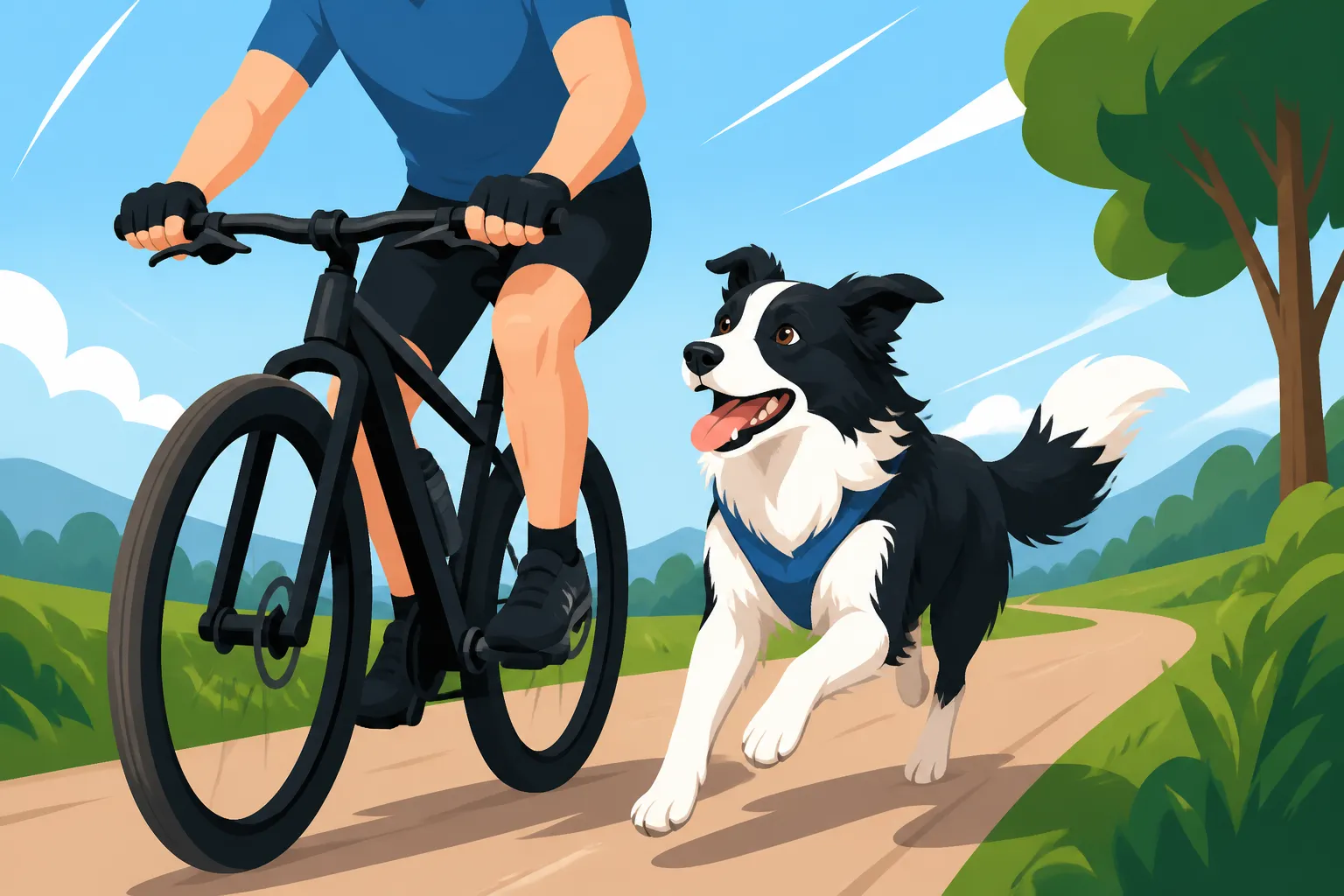
The idea of a Border Collie running alongside your bike isn't just a fantasy; for many, it becomes a fantastic reality. These dogs are built for sustained effort, for covering ground, and for a job. A leisurely walk around the block simply doesn't cut it for a breed bred to work all day on a farm. When you're dealing with a dog that can run How Far a Border Collie Should Run in a Day without breaking a sweat, traditional exercise methods often fall short. This is where biking, or "bikejoring" as it’s often called when the dog pulls, truly shines as a high-octane solution.
Matching Their Energy Levels
Border Collies possess an almost mythical stamina. They can go and go, seemingly without end. This isn't just an anecdote; it's a fundamental part of their genetic makeup. Trying to match this on foot can be exhausting for a human, and let's be honest, few of us can keep up with a Border Collie's natural pace for extended periods. Biking allows you to cover more distance at a higher, more consistent speed, which is often exactly what a high-drive Border Collie craves. It provides that full-throttle burn that satisfies their physical needs in a way a casual stroll never could.
Providing Mental Engagement
It's not just about the miles. Biking with your Border Collie offers a rich tapestry of sensory input that keeps their intelligent minds engaged. New sights, new smells, the changing terrain, the rhythm of the ride—all these contribute to mental stimulation that can be just as tiring as the physical work. You’re not just exercising their body; you’re giving them a "job" to do by running with purpose, following your cues, and navigating the environment. This kind of combined physical and mental challenge is crucial for preventing boredom and the undesirable behaviors that can stem from it, like excessive barking or destructive chewing.
Building an Unbreakable Bond
When you undertake an activity like biking with your Border Collie, you're not just exercising; you're creating a shared experience. There's a unique bond forged in these moments of teamwork and mutual reliance. Your dog learns to trust your steering, your commands, and your judgment, and you learn to read their subtle cues – their enthusiasm, their fatigue, their focus. This partnership strengthens your relationship, deepening the understanding and communication between you both. It transforms your dog from a pet into a genuine adventure companion, solidifying their role in your active lifestyle.
Essential Gear for Safe Bikejoring with Your Border Collie
Before you even think about hitting the trail, having the right equipment is non-negotiable. Attempting to bike with your Border Collie using a standard leash and collar is a recipe for disaster, not to mention incredibly uncomfortable and potentially harmful for your dog. Investing in appropriate gear is the first and most critical step towards a safe and enjoyable experience for both of you. You can find a lot of reliable options on platforms like Amazon.
The Right Harness Makes All the Difference
Forget the neck collar for this activity. When your Border Collie is pulling or even just running consistently beside a bike, you need a harness that distributes pressure evenly and allows for full range of motion. A pulling-specific harness, often called an X-back or H-back harness, is ideal as it’s designed to channel the dog's power from their chest and shoulders along their spine, preventing strain on their neck and throat. If your dog isn't actively pulling, a well-fitting Y-front or even a hiking harness can work, as long as it doesn't restrict shoulder movement or chafe. Make sure the harness fits snugly but allows for comfortable breathing and movement, especially around the leg pits.
Secure Leash and Bike Attachment Systems
A regular leash held in your hand is incredibly dangerous. One unexpected tug, a sudden stop, or a dropped leash can lead to a serious accident. Instead, you need a specialized leash or line that attaches directly to your bike. Look for bike attachments that extend out from the bike frame, keeping the leash away from your wheels and preventing it from getting tangled. Many of these attachments also incorporate a bungee section in the line itself. This bungee acts as a shock absorber, cushioning sudden pulls from your dog and making the ride smoother for both of you. It prevents jarring on your dog's neck or back, and keeps your bike from being yanked unexpectedly.
Paw Protection and Footwear
Your Border Collie's paws are not invincible, especially when running at speed over varied terrain. Concrete, asphalt, gravel, and even rough dirt paths can cause abrasions, cuts, or excessive wear on their pads. This is particularly true if they’re used to softer surfaces. Dog boots are a smart investment, especially when starting out or if you’re covering long distances or rough ground. They protect against heat, cold, sharp objects, and general wear and tear. Introduce them slowly at home before hitting the trails. Just like human shoes, they take some getting used to. Regularly check your dog's pads Feet, Pads and Legs on a Working Border Collie before, during, and after each ride, especially if they aren't wearing boots.
Laying the Training Foundation for a Biking Border Collie
Before you even bring the bike out, your Border Collie needs a solid foundation of obedience and responsiveness. This isn't just about good manners; it's about safety, confidence, and ensuring a truly enjoyable partnership on the trails. Skipping these crucial steps will only lead to frustration and potential hazards down the line. BAXTER & Bella, for example, offers comprehensive online programs that can help you build these essential obedience skills from the ground up, providing a systematic approach to dog training that emphasizes positive reinforcement.
Mastering Basic Commands Off-Bike
Your Border Collie needs to understand and respond to fundamental commands instantaneously, even with distractions. "Heel" is paramount, meaning they stay consistently by your side, either left or right, without lagging or forging ahead. "Stop" and "Wait" are equally critical for managing intersections, obstacles, or simply taking a breather. You'll also want to teach directional cues like "Left," "Right," "Gee" (right turn from the dog's perspective), and "Haw" (left turn). These aren't just for mushing; they help guide your dog safely around turns or hazards on the path. A strong "Leave It" command is also vital for ignoring tempting smells or distractions Recall on a Border Collie That Has Locked On. Practice these commands extensively in various environments before you introduce the bike.
Acclimating to the Bike Itself
Many dogs are wary of bikes at first—they're large, noisy, and move strangely. Your first step is to simply get your Border Collie comfortable being around the bike without it moving. Let them sniff it, walk around it, and even treat them near it. Then, slowly introduce movement. Push the bike while walking your dog on a regular leash, keeping them on the side you intend them to run on. Reward calm behavior. The goal is for the bike to become a neutral, even positive, object in their world, rather than something frightening or exciting to chase. This gradual exposure prevents fear or over-excitement, which could lead to dangerous situations later on.
Introducing the Harness and Lead
Once your dog is relaxed around the stationary and slowly moving bike, it's time to introduce the specialized bikejoring harness and the attachment line. Again, this should be a positive experience. Let them wear the harness for short periods around the house, rewarding them with treats and praise. Once they're comfortable, attach the bike line to the harness and then to the stationary bike. Don't go anywhere yet. Just let them feel the connection. Then, with the harness and line attached, start with short, slow walks, pushing the bike by hand. The idea is to associate the harness and line with forward motion and positive reinforcement, helping your dog understand their new role without overwhelming them.
Introducing Your Border Collie to the Bike and the Road
With the foundational training in place, it’s time for the exciting part: actually getting on the bike! This phase requires patience, consistency, and a keen eye on your Border Collie’s comfort and understanding. Remember, you're building a habit and a skill set, not just going for a ride.
Starting Slow and Short
Your very first rides should be incredibly short and slow, ideally in a quiet, low-distraction area like a park path or a wide, empty street. Don't expect to go for miles right away. The focus here is on reinforcing the "heel" command and your directional cues while moving. Start with just a few minutes, going at a speed your Border Collie can easily maintain without pulling too hard or lagging. Use plenty of verbal praise and high-value treats to mark correct behavior. If your dog gets distracted or pulls inappropriately, stop the bike, reset, and only move forward when they are focused and in the correct position. Consistency is key here.
Gradually Increasing Speed and Distance
As your Border Collie gains confidence and proficiency, you can slowly start to increase your speed and the duration of your rides. Listen to your dog and observe their body language. Are they eager? Are they breathing heavily? Are their ears back? Build up distance and speed over weeks, not days. Always ensure you have water stops planned. For a high-energy breed like a Border Collie, it's tempting to push them, but remember their joint health. Avoid Impact Work Before a Border Collie Turns Two, and always consult with your vet about the appropriate age and intensity for high-impact activities like biking. Their growth plates need time to develop properly.
Managing Distractions and Road Safety
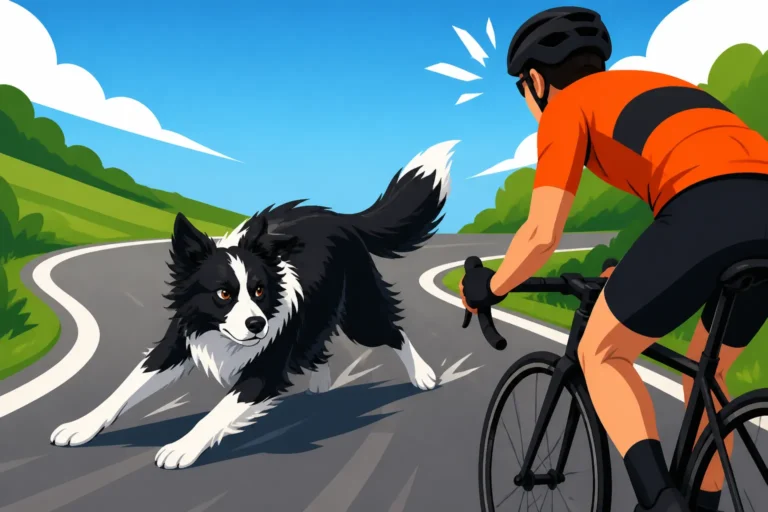
One of the biggest challenges on the road is distractions. A squirrel, another dog, a passing car The Border Collie That Runs the Fence at Traffic—any of these can cause your Border Collie to lunge or veer, leading to a dangerous situation. This is where your solid "Leave It" and "On By" commands (if you've taught it) come into play. Practice in increasingly distracting environments. When you approach a potential distraction, give your command firmly and be prepared to use your body or the bike to reinforce the boundary. Safety also means choosing appropriate routes. Avoid busy roads with heavy traffic, especially when starting out. Stick to bike paths, quiet country roads, or wide dirt trails where you have more space and fewer unpredictable elements.
Prioritizing Health and Safety During Biking Sessions
Biking with your Border Collie is an incredibly rewarding activity, but it comes with responsibilities. Their health and safety should always be your top priority. Pushing them too hard, ignoring warning signs, or neglecting preventative measures can lead to serious injury or illness.
Avoiding Overheating and Dehydration
Border Collies, with their thick coats and high drive, are susceptible to overheating, especially in warmer weather or during intense exercise. Always check the ambient temperature, and consider the humidity. Cooling and Watering a Border Collie in Summer is absolutely essential. Carry plenty of water for both of you, and offer it frequently. Look for signs of overheating: excessive panting, drooling, a dark red tongue, or staggering. If you see these, stop immediately, find shade, and cool your dog down. Never ask your Border Collie to continue working if they're showing signs of distress; they often have a drive that pushes them past their limits The Border Collie That Keeps Working Past Its Limit. Remember, heatstroke can be fatal Heat Stroke in a Border Collie That Kept Working.
Protecting Joints and Paws
The repetitive impact of running on hard surfaces can take a toll on a Border Collie’s joints. While they are athletic, they are not immune to issues like hip or elbow dysplasia Hip Dysplasia in a Border Collie That Runs All Day. Ensure your dog is fully grown before engaging in intense, sustained biking. Regular veterinary check-ups are crucial to monitor their joint health. If you notice any lameness or stiffness after a ride, it's a sign to ease off and consult your vet. As discussed earlier, paw protection is also vital. Inspect your dog's pads after every ride for cuts, blisters, or excessive wear. Just a small crack can be incredibly painful and bench your dog for weeks.
Recognizing Signs of Fatigue or Discomfort
Your Border Collie might be eager to please and have incredible stamina, but they can still get tired or experience discomfort. Learn to read their subtle cues. Are they starting to lag behind? Is their gait uneven? Are they trying to stop or looking back at you more frequently? Perhaps their tail carriage has dropped, or their ears are flat. These are all signals that it's time to slow down, take a break, or even end the session. Never force a tired dog to continue. Just like human athletes, they need proper rest and recovery. Pushing through fatigue can lead to injury and make the activity a negative experience for them.
Maintaining Your Border Collie's Well-being After the Ride
The care doesn't stop when you dismount the bike. What happens after the ride is just as important for your Border Collie's long-term health and enjoyment of biking. A proper cool-down and post-exercise routine are critical components of any active dog’s regimen.
Post-Ride Cool Down and Hydration
Just as you wouldn't stop sprinting and immediately sit down, your Border Collie needs a gradual cool-down. After an intense biking session, spend 5-10 minutes walking them slowly on a leash to allow their heart rate and breathing to return to normal. This helps prevent blood pooling and aids in muscle recovery. Once they're calmer, offer them plenty of fresh water. Even if you offered water during the ride, they’ll likely be thirsty again. Ensure they drink slowly, especially if they’ve been panting heavily, to avoid gulping too much air.
Thorough Health Checks
After every ride, especially if it was long or strenuous, make it a habit to perform a quick head-to-tail check on your Border Collie. This is similar to the Checking a Border Collie Over After Field Work routine that working dog owners perform. Carefully inspect their paws for any cuts, abrasions, lodged debris, or signs of blistering. Run your hands over their legs and body, feeling for any new lumps, tenderness, or stiffness. Pay attention to their joints, checking for swelling or discomfort. Look at their eyes and ears for any irritation or foreign objects. Early detection of minor issues can prevent them from becoming major problems that sideline your dog.
Rest and Recovery for Active Dogs
Biking is demanding, and your Border Collie needs adequate rest to recover and repair their muscles. Don't plan back-to-back intense sessions. Factor in rest days or days with lighter, less strenuous activity. This doesn't mean they become a couch potato; a gentle walk or some mental puzzle games can be good on recovery days. Proper nutrition is also vital for an active dog. Ensure they are on a high-quality diet that supports their energy output and muscle maintenance. Just like human athletes, their diet plays a huge role in their performance and recovery.
Remember, every Border Collie is an individual. What works for one might need adjustment for another. Pay attention to your dog, listen to your vet, and most importantly, enjoy the incredible adventures you can share together on two wheels!
Disclaimer
This article is for general informational purposes only and does not constitute professional advice. Laws, prices and regulations vary by location and change over time. Consult a qualified professional for guidance on your specific situation.