Whether a Border Collie Guards Its Toys
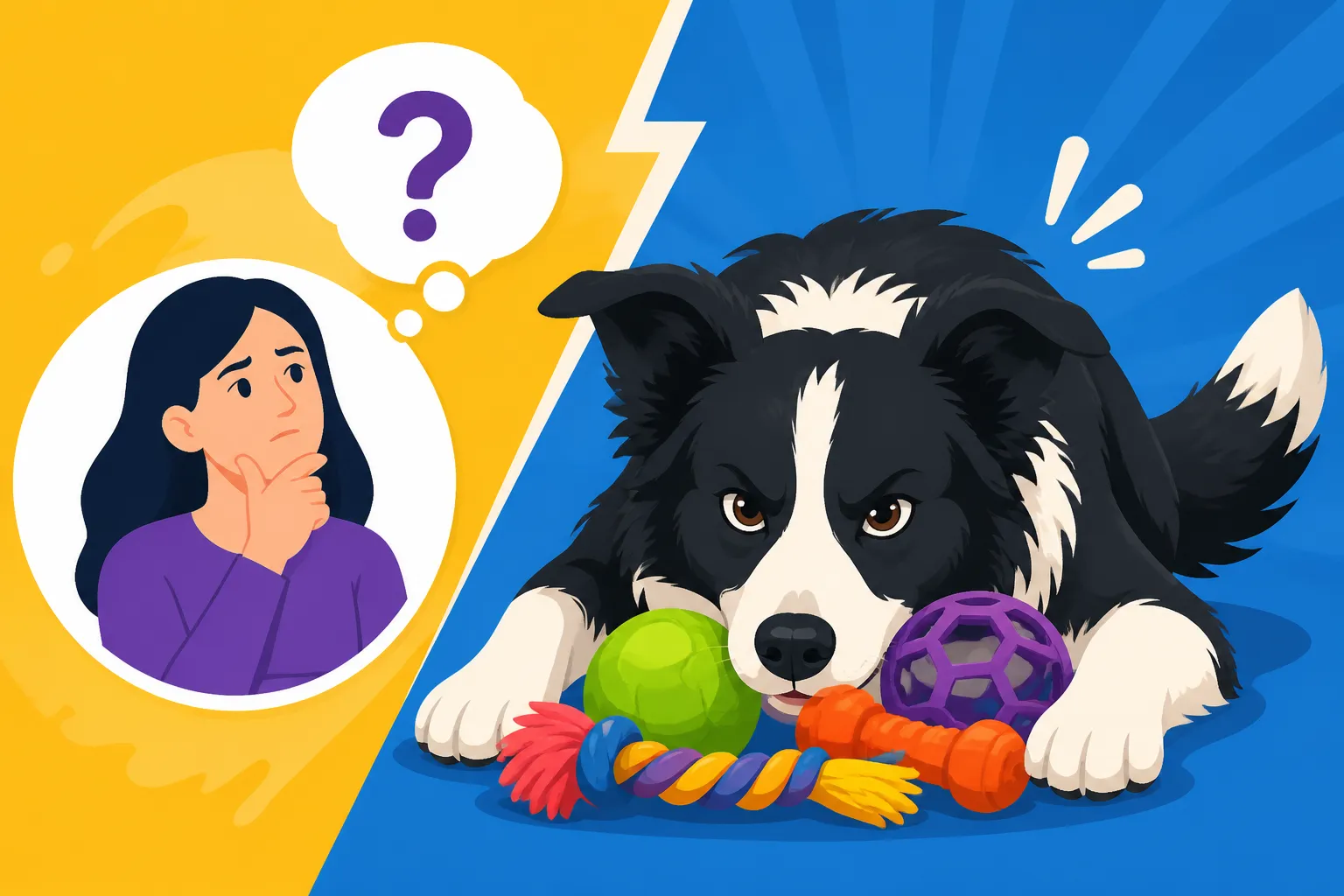
It's incredibly disheartening when your brilliant, eager-to-please Border Collie suddenly stiffens or even growls when you reach for their favorite tug toy or a prized chew. You thought they loved playing fetch with you, but now there's this underlying tension that leaves you wondering if your dog truly trusts you with their possessions. This guide aims to peel back the layers of toy guarding behavior, helping you understand its roots in Border Collies and providing clear, actionable steps to manage and prevent it, fostering a more trusting relationship with your sensitive companion.
Understanding Why a Border Collie Might Guard Its Toys
Toy guarding, often referred to as resource guarding, isn't unique to Border Collies, but it can manifest with particular intensity in a breed known for its laser-like focus and strong drive. It's not about malice, but usually a deeply ingrained instinct or a learned behavior stemming from insecurity.
The Instinctual Drive to Protect Resources
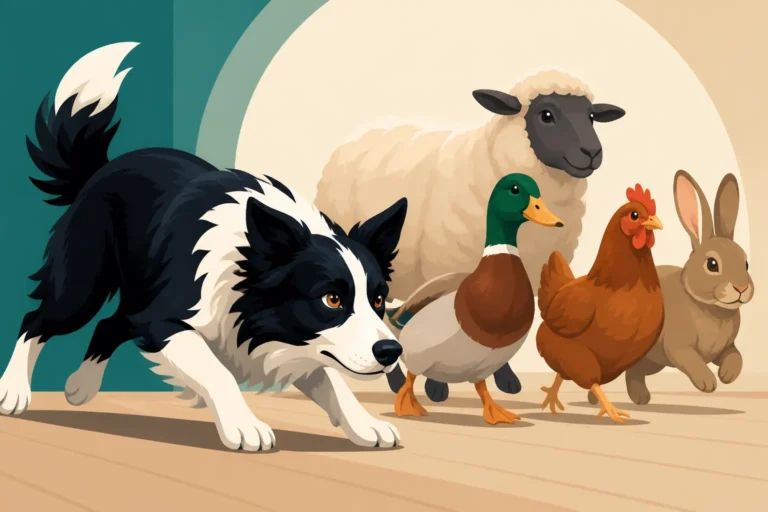
Border Collies, while not traditional "guarding" breeds like a German Shepherd or Rottweiler, possess an incredibly strong innate drive to control their environment and anything within it. Their herding instinct, which makes them brilliant at moving sheep, translates into a desire to manage and keep track of valuable resources, whether that's livestock, a specific space, or indeed, their favorite toys. This instinct isn't necessarily aggressive but is about maintaining order and possession. Think of it as a deep-seated desire to ensure their 'flock' of possessions is safe and accounted for. If they perceive a threat to that possession – even from you, inadvertently – their natural inclination is to assert control over it. This strong focus, sometimes known as What the Border Collie Stare and Where It Comes From, can be a double-edged sword: amazing for training and work, but potentially problematic when it fixates on an object as a 'resource' to be defended.
Fear, Insecurity, and Past Experiences
Sometimes, resource guarding isn't just about instinct; it's born from fear or insecurity. A Border Collie might guard a toy because they're worried it will be taken away, either permanently or without a fair exchange. This can stem from past experiences, perhaps from a previous home where resources were scarce, or if they had to compete aggressively with other dogs. Even seemingly innocuous actions, like repeatedly snatching a ball during play without offering an appealing alternative, can slowly erode a dog's trust and build a belief that they need to guard their items to keep them. If a dog has been punished for guarding in the past, it often makes the behavior worse, teaching them to escalate more quickly without warning, because their subtle cues were ignored or met with negative repercussions.
High-Value Items and Individual Temperament
Not all toys are created equal in your Border Collie's eyes. That tattered frisbee might be 'just a toy,' but a new squeaky plush, a special chew bone, or the specific ball you use for fetch could be a 'high-value item' worth defending. The perceived value of an item is entirely subjective to your dog. What one Border Collie might casually leave lying around, another might clutch protectively. This also ties into individual temperament. Some Border Collies are naturally more confident and less prone to guarding, while others might be more sensitive, anxious, or possess a stronger inherent possessive streak. These individual differences mean that what works for one dog might not be sufficient for another, and understanding your specific dog's personality is key to effective management.
Recognizing the Early and Advanced Signs of Toy Guarding
Catching resource guarding early can make a world of difference in managing it successfully. Border Collies, being intelligent and often subtle communicators, will typically give a series of warning signals before resorting to a growl or snap. Learning to read these signals is paramount.
Subtle Cues and Body Language
Before any audible warning, a Border Collie often displays a range of subtle body language cues that signal their discomfort or intention to guard. These can be easy to miss if you're not paying close attention. You might notice your dog:
- Freezing: Becoming suddenly still, often with a rigid posture over or next to the item.
- Stiffening: Their body language shifts from relaxed to tense, muscles tight.
- Hard Stare / Whale Eye: Locking their gaze onto you or the perceived threat, sometimes showing the whites of their eyes (known as 'whale eye').
- Head Lowered: Dropping their head over the item, almost physically shielding it.
- Quick Licks or Yawns (out of context): These can be displacement behaviors, indicating stress or conflict.
- Turning Away while Guarding: Sometimes they’ll try to avoid eye contact but still guard the item, indicating they want you to back off.
- Body Blocking: Physically moving their body to position themselves between you (or another dog) and the item.
If you observe these early signs, it's crucial to acknowledge them and adjust your approach immediately. Pushing past these warnings can lead to an escalation, as your dog feels its initial signals were ignored. A good handler understands What a Border Collie Reads in a Handler's Body and respects these cues.
Escalation: Growling, Snapping, and Biting
If the subtle cues are missed or ignored, a Border Collie may feel it needs to escalate its warnings to be understood. This is where growling, snarling, snapping, and ultimately biting can come into play. It's important to remember that these are still warnings, not unprovoked attacks. Your dog is communicating, albeit in a more pronounced and potentially dangerous way, that its boundary has been crossed.
- Low Growl or Rumble: This is a clear auditory warning. It says, "I'm uncomfortable, and I want you to stop what you're doing or move away from my item."
- Snarl or Lip Lift: The dog pulls back its lips, showing teeth. This is a more serious warning, indicating a heightened state of defense.
- Snap or Air Bite: The dog might snap its jaws close to your hand or the other dog, but without making contact. It's a clear "back off!" signal.
- Bite: If all previous warnings have been ignored and the dog feels cornered or extremely threatened, it may resort to a bite. This is typically a last resort, but one that highlights the dog's desperation to protect its resource.
Understanding this progression is vital for safety. Never punish a growl, as this teaches your dog not to warn you, making future incidents more unpredictable and dangerous.
Guarding from People vs. Other Pets
Resource guarding can manifest differently depending on who the "threat" is. Guarding from people often stems from a lack of trust or inconsistent handling, where the dog learns that humans might take things away without fair exchange. This type of guarding is typically addressed through systematic training that rebuilds trust and teaches the dog that human presence near their resources leads to good things.
Guarding from other pets, however, introduces a different dynamic. In a multi-dog household, competition for resources can be a powerful trigger. One Border Collie might guard from another because it perceives the other dog as a legitimate competitor for food, toys, sleeping spots, or even human attention. Managing this often involves strict management protocols, such as feeding in separate rooms, providing plenty of high-value items for each dog, and ensuring separate resting areas. Even a seemingly innocent act like A Border Collie Circling Children in the Yard could, in some cases, stem from a subtle form of resource guarding, where the dog is trying to control the movement or access to a perceived resource within its territory.
Practical Strategies for Managing Toy Guarding Behavior
Once you've identified that your Border Collie is guarding toys, it's time to implement proactive and consistent management and training strategies. The goal is to change your dog's emotional response from anxiety and protectiveness to comfort and even anticipation when you approach their prized possessions.
The "Trade Up" Method
This is perhaps the most powerful tool for managing and resolving toy guarding. The concept is simple: your Border Collie learns that when you approach to take an item, they will always receive something even better in return. This transforms your approach from a threat into a positive signal.
Here’s how to implement it:
- Identify High-Value Treats: Find treats your Border Collie absolutely adores – think small pieces of cheese, cooked chicken, or high-quality commercial treats. For a dog that won't drop its ball, you need something truly irresistible.
- Start with Low-Level Guarding or Non-Guarded Items: Begin practice when your dog is relaxed and guarding isn't intense. If they guard a specific toy fiercely, start with a less important toy or even their food bowl (when it's empty).
- Approach and Toss: As you casually approach your Border Collie while they have a toy, toss a high-value treat past them, a few feet away. This moves them away from the toy to get the treat.
- Exchange: While they are eating the treat, you can then pick up the toy. If you want them to continue playing, immediately give the toy back (or a different, equally appealing toy). If you want to remove the toy, simply pick it up. The key is that they always get something better for their temporary 'loss'.
- Practice Consistently: Repeat this many times a day in short, positive sessions. The more your dog associates your approach with an upgrade, the less likely they are to guard.
- Progress Gradually: Once they're comfortable with you taking an item and returning it, you can gradually increase the value of the guarded item or decrease the distance before you toss the treat. The goal is for them to happily give up the item in anticipation of something amazing. This process is very effective, especially if you have a Border Collie who, for instance, exhibits The Border Collie That Will Not Drop the Ball behavior during fetch games.
Controlled Environments and Management
While training is ongoing, management is crucial to prevent incidents and keep everyone safe. Creating a controlled environment reduces opportunities for guarding to occur.
- Supervised Play: Always supervise your Border Collie, especially if other pets or children are present, when high-value toys or chews are out.
- Separate Resources: In multi-dog households, provide ample resources for each dog. This means separate food bowls, multiple water bowls, and more beds and toys than you have dogs. Feed dogs in separate rooms or crates to avoid any competition. You might consider specific kennel setups, perhaps similar to What a Border Collie's Off-Switch Crate Setup Costs, to provide designated, safe spaces for each dog to enjoy their possessions undisturbed.
- Pick Up Valuables: When you can’t supervise, put away high-value toys, chews, and bones.
- Teach a "Drop It" or "Leave It" Command: This is essential for safety. Practice these commands with low-value items first, always rewarding heavily when your dog complies. Once reliable, you can generalize to higher-value items. This command, along with The Emergency Word a Border Collie Must Know, can be life-saving.
Seeking Professional Help
For some Border Collies, resource guarding can be a deeply ingrained and potentially dangerous behavior, especially if it involves snapping or biting. If you're struggling to make progress, feel unsafe, or if the guarding is escalating, it's absolutely vital to seek help from a certified professional dog behaviorist or trainer experienced with resource guarding. They can assess your dog's specific situation, identify triggers, and create a tailored training plan that ensures safety for both you and your dog. Don't hesitate to reach out for expert guidance; there's no shame in needing extra support for such a complex issue.
Preventing Resource Guarding in Border Collie Puppies
The best way to deal with resource guarding is to prevent it from developing in the first place. With a Border Collie puppy, you have a fantastic opportunity to lay a foundation of trust and positive associations around resources. Remember, How Few Repetitions a Border Collie Needs to learn something, so start early and be consistent!
Early Socialization and Positive Resource Exchange
From the moment you bring your Border Collie puppy home, you can begin teaching them that human hands near their food and toys mean good things.
- Positive Food Bowl Associations: While your puppy is eating its meal, periodically walk by and drop an even tastier treat into their bowl. This teaches them that your presence near their food adds value, rather than threatens it. Do this regularly, building positive associations with you being near their food.
- "Trade Up" from Day One: Just as with adult dogs, begin practicing the "trade up" game with your puppy. If they have a toy, offer a delicious treat, praise them for letting go, and then give the toy back (or a different, equally fun toy). This instills the idea that giving up an item is always rewarding.
- Consistent Management: Ensure your puppy always has access to plenty of toys, so no single item becomes overly prized through scarcity. Offer a variety of textures and types. Engaging in positive, structured play, where you control the game and the puppy learns to release items, is crucial. You can find a fantastic selection of puzzle feeders and durable chew toys on Amazon, which can help redirect some of that intense Border Collie focus away from just one prized possession.
Managing Multiple Pets and Resources
If you have other dogs or pets in the household, managing resources carefully from the start is even more critical. Puppies, like older dogs, can quickly learn to guard if they feel they need to compete.
- Separate Feeding: Always feed puppies and adult dogs in separate, designated areas or crates. This eliminates any potential for food-related guarding.
- Abundant Resources: Make sure there are always more toys, beds, and resting spots than there are animals. This reduces the perceived need to guard.
- Supervised Playtime: Keep an eye on interactions during play. If you see one dog consistently trying to take toys from another, or showing signs of guarding, intervene gently and redirect with separate toys or quiet time.
- Teach "Go to Your Bed" or "Place": Commands like Teaching a Border Collie to Stay on Its Bed are invaluable for managing multiple dogs, allowing you to create individual safe zones and prevent conflicts over space or items.
Avoiding Punishment and Building Trust
The foundation of any good relationship with a Border Collie is trust. Punishment for guarding behavior, whether it's scolding, physical corrections, or forcibly taking an item, will almost always backfire. It teaches your dog that:
- You are a threat: Your approach leads to negative consequences.
- Growling is bad: Instead of suppressing the guarding, it suppresses the warning signal, making future reactions more unpredictable. The age a Border Collie puppy starts testing you is a time when boundaries are being explored; consistent, positive reinforcement is far more effective than punitive measures.
- They need to guard more fiercely: The dog learns that they must protect their resources to keep them safe from you.
Instead, focus on building a strong, positive relationship. Use positive reinforcement for desired behaviors, be predictable and fair in your interactions, and always strive to make interactions around resources a positive experience. Programs like BAXTER & Bella often include modules on positive reinforcement and desensitization techniques crucial for preventing resource guarding from developing in the first place, emphasizing a trust-based approach. If your Border Collie exhibits behaviors like Whether a Border Collie Nips Ankles, this might also be a sign of poor impulse control or a need for more consistent positive training.
By understanding the 'why' behind toy guarding, recognizing the signs, and implementing consistent, positive training methods, you can guide your Border Collie to feel secure and generous with their possessions, strengthening the incredible bond you share.
Disclaimer
This article is for general informational purposes only and does not constitute professional advice. Laws, prices and regulations vary by location and change over time. Consult a qualified professional for guidance on your specific situation.