Which Coat Working Border Collie Handlers Prefer
It’s a common sight at sheepdog trials or in bustling dog parks: a gorgeous Border Collie, often with that classic black and white rough coat, looking every inch the intelligent, athletic companion. But if you’ve spent any time researching these incredible dogs, you’ve probably come across mentions of "smooth coats" and "rough coats," and perhaps even wondered if one is "better" than the other, especially for a dog meant to work. This guide is here to shed some light on the practical realities of Border Collie coat types from a working handler's perspective, helping you understand why appearance is often the last thing on their mind when choosing a dog for the field.
The Two Sides of the Border Collie Coat Coin
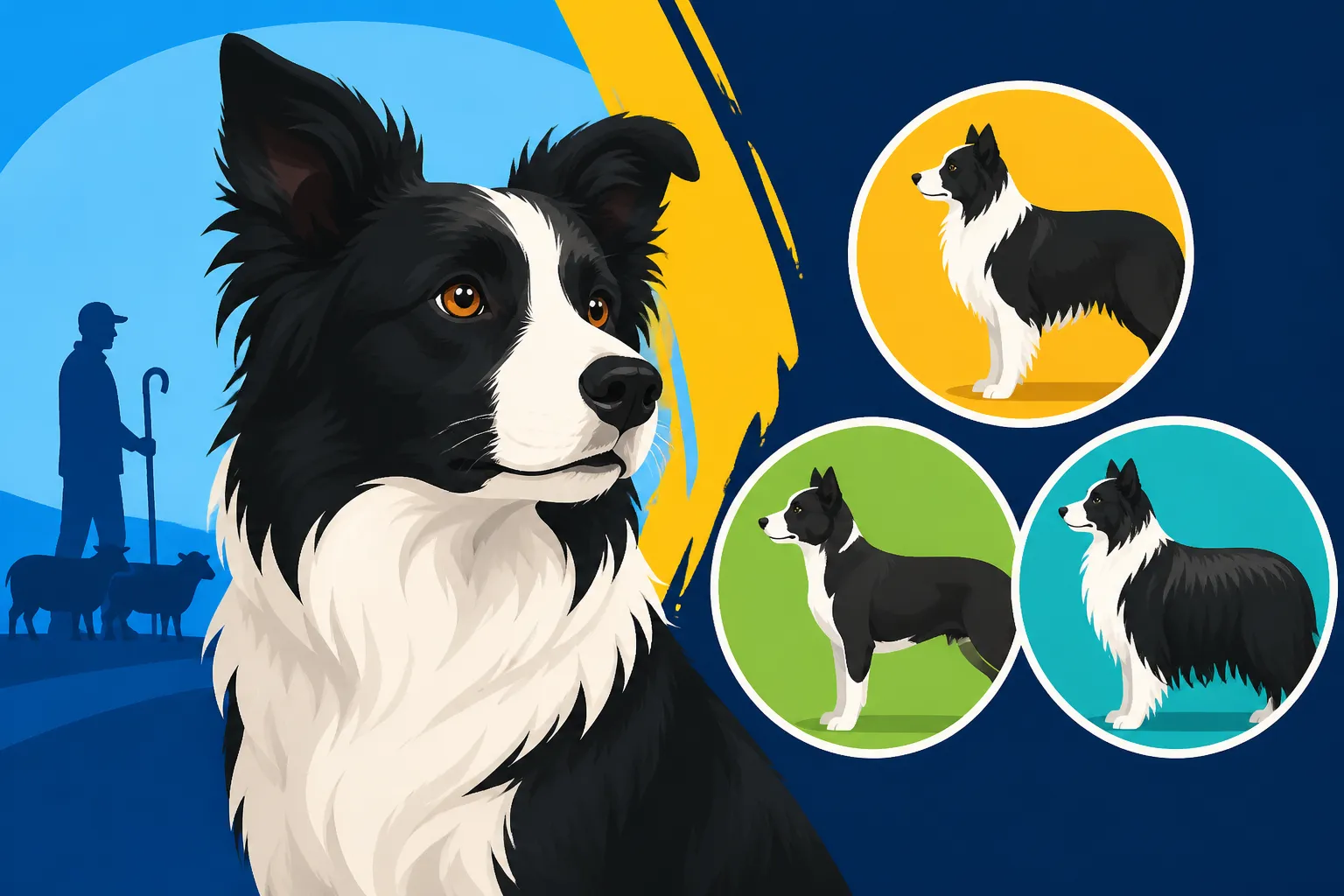
When you picture a Border Collie, you likely envision that medium-length, feathered coat. It’s what most people consider the "classic" look. But the truth is, Border Collies come in two primary coat types – rough (or medium) and smooth. While the rough coat might be more familiar, the smooth coat is equally traditional and, in many working circles, just as common, if not preferred for certain situations. Understanding the nuances of each is key to appreciating why handlers make the choices they do.
Rough Coats: The Iconic Look and Its Realities
The rough-coated Border Collie is undoubtedly handsome, with its longer hair that often feathers around the legs, tail, and chest. This is the coat that probably springs to mind first for many people. It gives the dog a slightly more "fluffy" or "finished" appearance, and there’s no denying it's beautiful to look at. However, for a dog that spends its days plunging through tall grass, battling brambles, and navigating muddy pastures, that beautiful coat comes with a few practical considerations.
Think about a dog working sheep in a field full of burrs or sticky seed heads. Those long feathers on the legs and tail become instant magnets for everything in their path. It takes time after a busy day to pick out all the debris, prevent matting, and ensure the dog is comfortable. Mud, too, is a significant factor. A rough coat can hold a surprising amount of mud, making for a heavier, dirtier dog, and a much longer drying time after a wet day or a bath. While the coat does offer a layer of protection from the elements, its length can sometimes be a hindrance in maintaining cleanliness and preventing skin irritation if mats are allowed to form. If you want to dive deeper into the grooming needs, you can check out Grooming a Rough-Coated Border Collie.
Smooth Coats: Often Underestimated, Highly Practical
Then there’s the smooth-coated Border Collie. These dogs have short, dense hair, lying close to the body, almost like a Labrador or a smooth-coated German Shepherd. To the uninitiated, they might even look like a different breed entirely, or perhaps a mixed breed, simply because they don't fit the popular image. However, the smooth coat is just as authentic to the Border Collie breed, and it's incredibly common in working lines, especially those from traditional breeding programs.
From a practical standpoint, smooth coats are a dream for many working handlers. Mud slides off far more easily, and burrs have little to nothing to cling to. A quick brush or rub-down often suffices to clean them up after a day in the field, and they dry much faster. This isn’t just about convenience; it’s about the dog’s health and comfort. A dog that dries quickly is less prone to chilling in cold weather, and the reduced likelihood of mats means less skin irritation and discomfort. While they might lack the "flair" of a rough coat, their streamlined profile is pure function. If you’re curious about caring for this type, we have more information in The Smooth-Coated Border Collie and What Its Coat Needs.
Why Coat Type Matters to a Working Handler
For a working Border Collie handler, every aspect of their dog, from temperament to physical structure, is evaluated through the lens of its ability to perform its job effectively and comfortably. The coat is no exception. It’s not about fashion or what looks best in a photograph; it’s about functionality, resilience, and the dog’s well-being over long, demanding days.
Practical Considerations in the Field
Imagine a long day gathering sheep in challenging terrain. A working Border Collie isn't just trotting politely; it's often running at full tilt, crouching low, weaving through thick underbrush, and swimming through streams. In these conditions, the coat type plays a significant role in both performance and post-work recovery.
Rough-coated dogs, while offering some protection from scrapes, can quickly become encumbered. Those long hairs soak up water like a sponge, adding weight and making the dog colder in damp, windy conditions. They're also notorious for collecting everything from burs to thorny twigs. Removing these can be a nightly chore, and if missed, they can pull on the skin, cause discomfort, or lead to painful mats, especially in the armpits or behind the ears. I've known handlers who spend a good hour every evening just picking out burrs, lamenting how a perfectly good Burrs Caught in a Border Collie's Tail can ruin a coat if neglected.
Smooth-coated dogs, on the other hand, are often seen as the low-maintenance choice. Their short, dense coats mean less for mud and debris to cling to, and they dry much faster. This can be a huge advantage in climates with frequent rain or snow, or if the dog needs to be in and out of a warm kennel without remaining damp. While they might not have the same visual "cushion," their dense undercoat still provides ample insulation. Plus, when it comes to checking for ticks or minor scrapes after a long day, a smooth coat makes inspection much quicker and easier.
Climate and Seasonal Challenges
The local climate and the time of year heavily influence a working handler's preference. What works well in a dry, temperate climate might be a nightmare in a perpetually wet or extremely cold region.
In areas with heavy rainfall or abundant snow, a smooth coat often wins out. The quick-drying nature of the smooth coat means less risk of hypothermia for the dog if they're working in freezing rain or plunging into icy water. Drying a Border Collie After a Wet Day's Work is a much faster affair with a smooth-coated dog. In snowy conditions, rough-coated dogs are prone to developing Ice Balls in a Border Collie's Feathered Feet which can be incredibly painful and hobble a dog, whereas smooth-coated dogs generally don't have this issue.
Conversely, some might argue that a rough coat offers slightly better protection against biting insects or harsh sun, though this is often debated. It's more about the density of the undercoat than the length of the outer coat for true weather protection. In hotter climates, a rough coat can potentially trap heat if not properly groomed, making cooling more challenging for the dog. While a thick, double coat is great for cold, it requires careful management in summer to prevent overheating. It's important to remember that for any Border Collie working hard, regardless of coat type, heat management is paramount. You can explore this further in Weather Protection on a Smooth-Coated Border Collie.
Debunking Myths: It's Not About Warmth or Toughness
There are a few misconceptions floating around about Border Collie coats, often fueled by aesthetics rather than practical understanding. Let's tackle some of these head-on.
The Myth of Superior Protection
One common assumption is that a rough coat offers inherently "superior" protection compared to a smooth coat. People often think the longer hair acts like armor, shielding the dog from scrapes, insect bites, or the elements more effectively. While a longer coat can provide a superficial barrier, the reality is more nuanced.
Both rough and smooth Border Collies possess a double coat: a softer, dense undercoat for insulation, and a coarser outer coat (guard hairs) that repels water and protects the undercoat. The length of the guard hairs might differ, but the fundamental protective structure is the same. A smooth coat, with its dense, close-lying hairs, can be incredibly effective at shedding water and dirt, and can still offer significant protection against minor abrasions. A well-conditioned smooth coat is surprisingly resilient. It's not about one being "tougher" than the other; it's about how each coat type handles different environmental challenges. The overall health and density of the coat, regardless of length, are what truly matter for protection.
The Role of Undercoat, Not Outer Coat, in Insulation
Another widespread belief is that a rough coat keeps a Border Collie warmer in winter or cooler in summer. While a very thick rough coat might feel warmer to the touch, it's actually the density and quality of the undercoat that provides the bulk of a dog's insulation, both from cold and heat.
The undercoat acts as a thermal regulator, trapping air close to the body to maintain a stable temperature. This is why you should never shave a double-coated dog like a Border Collie, even if it has a rough coat; it can disrupt this natural insulation system, making them less comfortable in both hot and cold weather. Both smooth and rough-coated Border Collies have this crucial undercoat. Therefore, a smooth-coated dog with a good, thick undercoat can be just as well-insulated as a rough-coated one, sometimes even more so if the rough coat's outer layer is poorly maintained and matted.
Think of it like this: a fluffy duvet (rough coat) and a compact, high-tech sleeping bag (smooth coat) can both offer excellent warmth, but they do it in different ways, and one might be more practical for certain activities than the other. If you've ever wondered Whether a Smooth Border Collie Feels the Cold, rest assured that their undercoat is doing the heavy lifting for insulation.
So, Which Does a Working Handler Actually Prefer?
After all this discussion, you might be thinking there's a definitive answer to which coat working handlers prefer. The truth is, it's rarely a matter of strict preference for one over the other, but rather a blend of practicality, personal experience, and the specific demands of their working environment.
The True Preference: Performance Over Aesthetics
For the vast majority of working Border Collie handlers, the dog's ability to do its job safely and efficiently is paramount. This means intelligence, drive, stamina, temperament, and health are far higher on the priority list than coat length. A dog with excellent working ability but a coat that requires a bit more daily care will almost always be chosen over a dog with a "perfect" coat but lacking in working aptitude.
Many handlers will tell you that they don't prefer one coat type; they prefer a good dog. If that good dog happens to be smooth-coated, fantastic – less grooming! If it's rough-coated, they'll simply factor in the extra time for brushing out burrs and drying. The emphasis is on the dog's genetics for working ability, its training, and its physical soundness, not whether its coat is long or short. They understand the different maintenance needs, as we've outlined in How a Smooth Border Collie Differs to Groom and similar resources.
It’s also worth noting that within the genetic pool of working Border Collies, both rough and smooth coats appear naturally. A breeder focused solely on working traits might have both coat types in a single litter. You can see the full range of possibilities when looking at The Rough and Smooth Border Collie Coats.
Personal Experiences and Regional Variations
While there isn't a universal preference, individual handlers often develop a leaning based on their own experiences and the unique challenges of their locale.
- Wet, Muddy Environments: Handlers in regions with frequent rain, damp fields, or heavy mud often find themselves gravitating towards smooth-coated dogs. The ease of cleaning and faster drying times can make a significant difference in their daily routine and the dog's comfort. Imagine trying to keep a fleet of rough-coated dogs clean and dry during a long, wet lambing season – it would be a never-ending battle!
- Burr-Prone Terrain: Similarly, if a handler’s pastures are rife with burrs, cockleburs, or other sticky plant material, a smooth coat becomes a highly practical choice. It saves immense time and effort in grooming and prevents potential skin problems. Getting supplies like a good de-shedding tool or a sturdy brush from places like Chewy can help, but preventing the issue with a smooth coat is often simpler.
- Ease of Inspection: For handlers who are constantly checking their dogs over for injuries, ticks, or other issues (especially common on busy farms), a smooth coat allows for quicker, more thorough inspections.
- Personal Grooming Tolerance: Let's be honest, some people just don't enjoy extensive grooming. For these handlers, a smooth coat is a blessing, allowing them to focus more on training and working the dog, and less on wrestling with brushes and combs. Even for the most dedicated owner, streamlining grooming with supplies from Chewy can make a difference.
Ultimately, the choice of coat type in a working Border Collie is driven by practicality and function. There's no inherent superiority of one over the other in terms of working ability or protection. Both are valid, traditional coat types for the breed, and both produce outstanding working dogs. What truly matters is the dog beneath the coat – its heart, its mind, and its willingness to work alongside its human partner.
| Feature | Rough Coat (Medium) | Smooth Coat (Short) |
|---|---|---|
| Appearance | Longer hair, feathered on legs, tail, and chest. | Short, dense hair lying close to the body. |
| Mud/Debris | More prone to collecting mud, burrs, sticky seeds. | Mud and debris shed off more easily. |
| Drying Time | Longer to dry after getting wet. | Dries much faster. |
| Grooming Needs | Requires regular brushing to prevent mats, remove debris. | Minimal brushing, less prone to matting. |
| Insulation | Undercoat provides primary insulation. | Undercoat provides primary insulation. |
| Protection | Offers good physical barrier, but can entangle. | Dense coat provides good barrier, less entanglement. |
| Working Preference | Often chosen for aesthetics, but practicalities noted. | Often preferred for ease of maintenance in field. |
Disclaimer
This article is for general informational purposes only and does not constitute professional advice. Laws, prices and regulations vary by location and change over time. Consult a qualified professional for guidance on your specific situation.